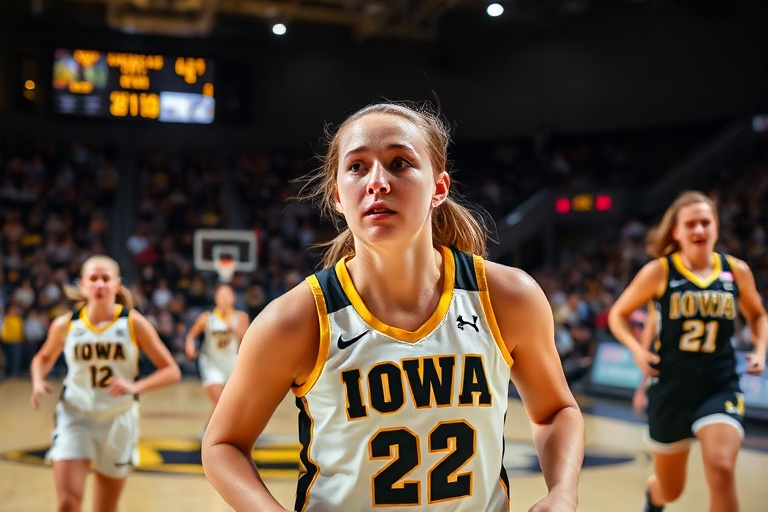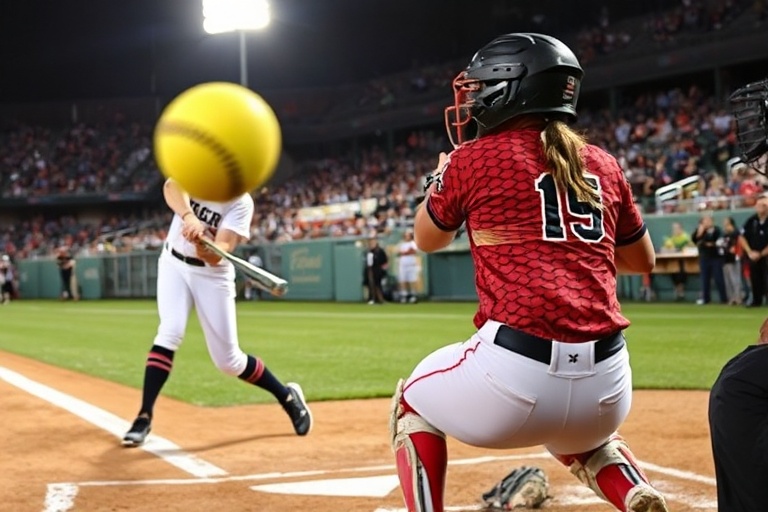
The NCAA Softball Regionals mark the beginning of the most intense stretch in collegiate softball, where dreams are forged and careers are defined. With 64 teams battling for a chance to reach Oklahoma City, the stakes could not be higher. This is where underdogs rise, powerhouses flex their muscles, and the unpredictable nature of the sport takes center stage.
Unlike the early-season tournaments where anything can happen, the Regionals represent a crucible of competition. Teams that have spent months preparing must now prove their mettle against the best in their region. The pressure is immense, and the margin for error is razor-thin. One misstep can erase months of hard work, while a clutch performance can propel a team into the Super Regionals and, ultimately, the Women’s College World Series.
The Structure of the Regionals: How the Tournament Unfolds
The NCAA Softball Regionals follow a straightforward yet high-stakes format. Sixty-four teams are divided into 16 regional brackets, each hosted by a top-seeded team. The format is a double-elimination tournament, meaning teams must lose twice before being eliminated. This structure ensures that only the most resilient and consistent teams advance.
Each regional consists of four teams, and the top seed typically hosts the event. The first round features matchups that set the tone for the weekend. A strong opening performance can demoralize opponents, while an early stumble can create a must-win scenario. By the final day, the atmosphere is electric as teams battle for the right to move on.
The winners of each regional advance to the Super Regionals, where the field narrows to 16 teams. This is where the competition intensifies, and the difference between good and great becomes glaringly apparent. The Super Regionals are a proving ground for teams with championship aspirations, and only eight will earn the right to compete in Oklahoma City.
Key Points About the NCAA Softball Regionals
- Double-Elimination Format: Teams must lose twice to be eliminated, adding layers of strategy and resilience.
- Host Advantage: Top-seeded teams host regionals, giving them home-field advantage and the support of their fanbase.
- Intense Competition: With only 16 spots available in the Super Regionals, every game is a do-or-die scenario.
- Unpredictability: Upsets are common, making the Regionals one of the most exciting events in college softball.
- Path to Oklahoma City: Winning a regional is just the first step; teams must navigate the Super Regionals to reach the Women’s College World Series.
The Impact of the Regionals on Teams and Players
The NCAA Softball Regionals are more than just a stepping stone; they are a defining moment for teams and players. For seniors, this is their last chance to leave a legacy. For underclassmen, it’s an opportunity to gain invaluable experience in high-pressure situations. The emotional weight of these games cannot be overstated, as careers are made or broken in a single weekend.
For coaches, the Regionals represent the culmination of a season’s worth of preparation. The strategies employed—from pitching rotations to defensive alignments—are put to the test. A coach’s ability to adapt and make in-game adjustments can be the difference between advancing and going home early. The mental toughness required to navigate the Regionals is a hallmark of championship-caliber teams.
Players, too, face immense pressure. A single error, a missed swing, or a poorly timed pitch can change the course of a season. The Regionals are where mental fortitude is as important as physical skill. Teams that thrive under pressure often do so because they have cultivated a culture of resilience and accountability.
Broader Implications: How the Regionals Shape the Season
The outcome of the Regionals extends beyond the individual teams. For conferences, success in the Regionals can elevate their standing in college softball. A strong showing by multiple teams can enhance a conference’s reputation and attract top recruits. Conversely, a disappointing performance can lead to soul-searching and roster changes.
For the sport itself, the Regionals serve as a showcase for the growth and popularity of NCAA softball. Attendance at regional sites has been on the rise, reflecting the increasing fan interest in the sport. Broadcasters and streaming services have taken notice, providing more coverage than ever before. This visibility not only benefits the teams involved but also inspires the next generation of softball players.
Moreover, the Regionals are a proving ground for future stars. Scouts from professional leagues, including Athletes Unlimited and the upcoming Women’s Professional Fastpitch league, closely monitor the action. A standout performance in the Regionals can open doors to lucrative opportunities and elevate a player’s draft stock.
The Fan Experience: Why the Regionals Are a Must-Watch
For fans, the NCAA Softball Regionals offer an unparalleled experience. The atmosphere at regional sites is electric, with families, alumni, and students coming together to support their teams. The energy is palpable, and the stakes are high, making for unforgettable moments.
Social media amplifies the excitement, with fans sharing highlights, reactions, and memes in real time. The Regionals are a social media goldmine, with viral moments often emerging from unexpected upsets or clutch performances. This digital engagement helps grow the sport’s fanbase and keeps softball in the conversation alongside other major collegiate sports.
For those unable to attend in person, the Regionals are widely broadcast on ESPN, ESPN2, and other networks. The accessibility of the games ensures that fans across the country can follow their teams and witness the drama unfold. Whether it’s a walk-off homer, a no-hitter, or a come-from-behind victory, the Regionals deliver edge-of-your-seat entertainment.
What to Watch For in This Year’s Regionals
This year’s NCAA Softball Regionals promise to be as unpredictable as ever. Several teams enter the tournament with championship aspirations, while others look to exceed expectations. Here are a few storylines to keep an eye on:
- Title Contenders: Teams like Oklahoma, Florida State, and Alabama are perennial powerhouses with the talent to make a deep run.
- Cinderella Stories: Mid-major teams like Ole Miss and Louisiana Tech have the potential to pull off upsets and advance to the Super Regionals.
- Freshman Phenoms: A crop of talented freshmen, such as Oklahoma’s Jordy Bahl, are making waves and could be difference-makers in the Regionals.
- Coaching Milestones: Veteran coaches like Patty Gasso (Oklahoma) and Lonni Alameda (Florida State) will be looking to add to their already impressive resumes.
For a deeper look at the teams, players, and storylines shaping this year’s Regionals, visit Dave’s Locker Sports for comprehensive coverage and analysis.
Conclusion: The Regionals Are Just the Beginning
The NCAA Softball Regionals are a thrilling precursor to the drama that awaits in the Super Regionals and the Women’s College World Series. They are a testament to the passion, skill, and determination of the teams that compete at the highest level of collegiate softball. For players, coaches, and fans alike, the Regionals are a reminder of why this sport captivates audiences year after year.
As the dust settles and the brackets are set, one thing is clear: the road to Oklahoma City is paved with challenges, triumphs, and unforgettable moments. The teams that emerge from the Regionals with their heads held high will have earned their place in the next chapter of college softball history.
For those who love the game, the NCAA Softball Regionals are not just a tournament; they are a celebration of softball at its finest. And as the season progresses, the stakes will only get higher. So buckle in—because the best is yet to come.