RA Parties Explained: How Nostalgia Shaped a New Subculture
What Exactly Is an RA Party?
An RA party isn’t what most people expect when they hear the term. Traditionally, RA stands for Resident Assistant—a role familiar to anyone who has lived in a college dorm. These student leaders organize events, enforce rules, and act as liaisons between residents and university administration. But over the past few years, the phrase has taken on a new meaning entirely.
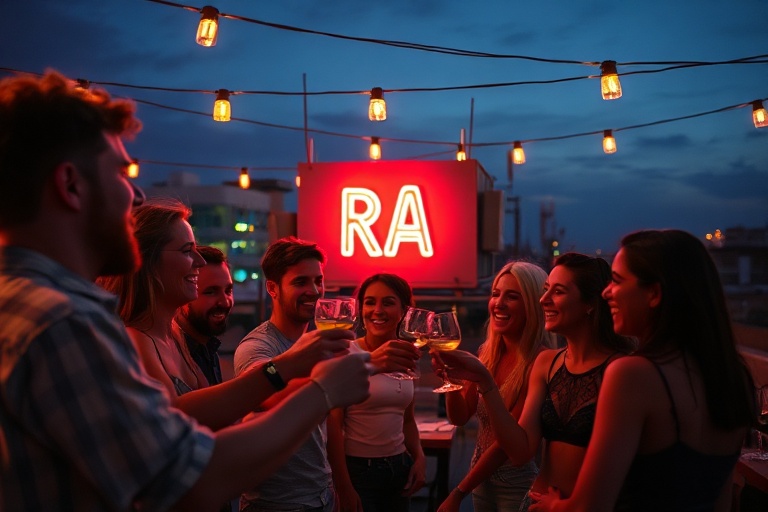
The modern RA party is an underground social gathering where attendees immerse themselves in retro aesthetics, specifically inspired by the visual and auditory culture of the 1990s and early 2000s. Think grainy VHS filters, pixelated graphics, and a heavy rotation of early 2000s hip-hop, R&B, and electronic music. These events often take place in warehouses, loft apartments, or even hidden venues accessible only through coded invitations or word-of-mouth buzz.
What began as a nostalgic nod to the past has grown into a full-fledged subculture with its own fashion, slang, and even a DIY ethos. Participants dress in vintage streetwear, often thrifted or re-created from old video game sprites. The music selection skews heavily toward artists like Missy Elliott, Timbaland, and Daft Punk—artists whose work defined the sonic landscape of the era. Visuals are just as important. Projectors display looping animations of old Windows 95 startup screens, Tamagotchi advertisements, and CGI skateboarding dogs.
The Rise of the RA Aesthetic
This aesthetic isn’t just about nostalgia—it’s a deliberate rejection of the hyper-polished, algorithm-driven content that dominates today’s social media feeds. In a landscape where every moment is curated for Instagram, RA parties offer something raw and unfiltered. There’s no pressure to post. No need to perform perfection. Just music, movement, and a shared sense of time travel.
Online communities have fueled this movement. Platforms like Discord and Instagram serve as hubs for event organizers and attendees to plan gatherings, share playlists, and trade vintage finds. Hashtags like #RAVibe and #Y2KRevival have amassed tens of thousands of posts, each contributing to the visual vocabulary of the scene. Even brands have taken notice. Streetwear labels have released collections inspired by early 2000s gaming culture, and music producers have started remixing classic tracks with modern production techniques—bridging the gap between old and new.
Why This Subculture Is More Than Just Nostalgia
The RA party phenomenon reflects deeper cultural currents. It signals a generational longing for authenticity in an era dominated by artificial intelligence, deepfakes, and curated online personas. For millennials and older Gen Zers who grew up during the transition from analog to digital, these parties are not just fun— they’re therapeutic. They offer a chance to reconnect with a time when technology was clunky, rules were simpler, and the future felt full of possibility.
There’s also an economic dimension. The resurgence of Y2K fashion has breathed new life into thrift stores and vintage shops. Platforms like Depop and eBay have seen a surge in sales of early 2000s clothing, from velour tracksuits to low-rise jeans. RA parties have become informal marketplaces where people trade rare cassette tapes, limited-edition sneakers, and even old-school gaming consoles. This has created a secondary economy built on nostalgia, where value isn’t just monetary—it’s emotional.
The Role of Technology in Sustaining the Scene
Ironically, technology plays a crucial role in keeping this analog-inspired movement alive. Social media algorithms help spread the word about events, while digital tools make it easier to curate the perfect playlist or design retro-inspired flyers. Even the music itself often relies on modern production software to recreate the lo-fi sounds of the past.
Yet, there’s a tension here. The more mainstream RA culture becomes, the more it risks losing its underground edge. When a subculture gains visibility, it’s often co-opted by brands, diluted by commercialization, or flattened into a trend. The challenge for RA party organizers will be maintaining the authenticity that drew people in while navigating growing interest from outsiders.
What’s Next for RA Parties?
The future of RA parties is uncertain but undeniably dynamic. As digital fatigue sets in and people seek tangible experiences, these gatherings could evolve into even more immersive events. We might see RA parties incorporating virtual reality elements that simulate the aesthetic of early internet cafes or retro video arcades. Alternatively, the movement could fracture into smaller niche communities, each with its own interpretation of what RA means.
One thing is clear: the RA party is more than a passing fad. It’s a cultural reset button—a chance to slow down, look back, and remember what it was like to experience the world without filters. Whether this subculture fades into obscurity or evolves into something entirely new, its impact on fashion, music, and digital culture is already undeniable.
Key Takeaways from the RA Party Movement
- Nostalgia as resistance: RA parties reject the polished, algorithm-driven culture of today by embracing the raw, unfiltered aesthetics of the past.
- Community over algorithms: These gatherings thrive on word-of-mouth and digital communities rather than viral trends.
- Economic ripple effects: The trend has revitalized thrift stores, vintage markets, and resale platforms, creating new economic opportunities.
- Technology’s dual role: While tech sustains the scene through promotion and production, it also threatens to dilute its authenticity.
- Potential for evolution: RA parties could expand into immersive experiences or splinter into new subcultures as they grow.
For those curious about experiencing an RA party firsthand, the best approach is to dive into the online communities that organize them. Many events are invite-only or location-specific, but the energy and creativity on display make the effort worthwhile. And if you’re not ready to attend in person, you can still soak in the vibe through curated playlists and visual feeds dedicated to the movement.
A Look Ahead: The Broader Implications
The RA party phenomenon is a microcosm of a larger cultural shift. It highlights how younger generations are increasingly turning to the past to make sense of an uncertain future. In an era marked by climate anxiety, political polarization, and rapid technological change, nostalgia offers a comforting escape—a chance to revisit a time when the world felt simpler, even if that simplicity was an illusion.
This isn’t the first time a subculture has emerged from a collective longing for the past. In the 1970s, punk rockers drew inspiration from early rock and roll and 1950s greaser culture. In the 1990s, grunge fashion was a direct rebellion against the excesses of the 1980s. Each of these movements was, at its core, a critique of the present through the lens of the past.
RA parties, however, are uniquely positioned in the digital age. They exist both online and offline, blending virtual communities with real-world experiences. This hybrid nature could make them a blueprint for future subcultures that rely on digital tools to organize and sustain themselves. As virtual reality and augmented reality technologies become more accessible, we may see RA-inspired events that blend physical and digital spaces in entirely new ways.
“RA parties remind us that nostalgia isn’t just about looking back—it’s about reclaiming agency over how we shape the future.”
Ultimately, the RA party movement is a testament to the power of shared experiences. In a world where so much of life is mediated through screens, these gatherings offer something rare: a chance to connect, create, and celebrate without the constant pressure to perform. Whether you’re a longtime fan of Y2K culture or a newcomer curious about what all the fuss is about, there’s never been a better time to explore the RA scene.
For more on subcultures and their impact on modern trends, visit our Trending and Culture sections for deeper analysis and curated content.
The RA party may have started as a niche interest, but its influence is spreading. Keep an eye on this space—it’s not just a trend. It might just be the beginning of something bigger.