Football’s Lower Leagues Offer a Glimpse of Raw Passion
The match between Salford City and Grimsby Town was more than just a fixture in England’s National League North. It was a collision of footballing cultures, where ambition meets tradition, and where the global appeal of the sport reveals itself in the most local of settings. While Premier League clubs dominate headlines, the lower leagues serve as a reminder that football’s heartbeat still beats strongest in communities where the game is woven into the fabric of everyday life.
Salford City, founded in 1940, has spent decades as a non-league club before rising through the ranks with the financial backing of former Manchester United players. Their journey reflects a modern phenomenon: the transformation of local clubs into global brands through celebrity ownership. Grimsby Town, on the other hand, carries the weight of a century-old history, its roots stretching back to 1878 when football was still finding its identity in industrial England. These contrasting narratives set the stage for a fixture that transcended mere competition.
The Globalization of Local Clubs
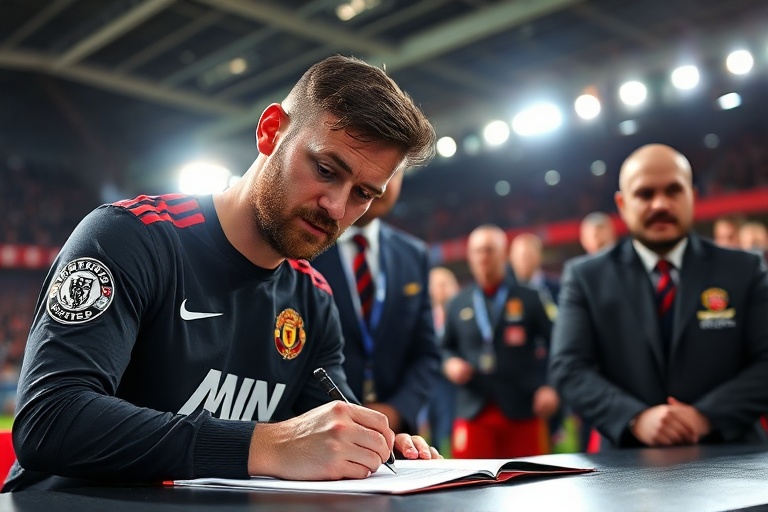
The ownership model at Salford City is a microcosm of football’s evolving identity. The club’s rise from obscurity to the National League North has been accelerated by investment from Class of ’92 members—David Beckham, Nicky Butt, Ryan Giggs, and others. While this infusion of capital has elevated the club’s profile, it has also sparked debates about authenticity. Can a club built on local pride truly retain its identity when backed by global icons?
Grimsby Town, by contrast, represents the traditional working-class football club. Its supporters, many of whom are lifelong fans, view the club as a community institution rather than a commercial enterprise. This cultural divide between Salford’s celebrity-driven ambition and Grimsby’s grassroots ethos was palpable in their recent encounter. The match was not just about three points; it was a collision of ideologies about what football should represent.
A Tactical Battle on the Pitch
On the pitch, the tactical battle mirrored the broader philosophical clash. Salford City, under manager Neil Wood, has adopted a possession-based, high-pressing style reminiscent of the clubs that once nurtured the Class of ’92. Their approach is calculated, designed to dominate games through technical superiority. Grimsby Town, managed by Paul Hurst, countered with a direct, physical style—a throwback to the traditional English football tactics that prioritize aerial dominance and rapid transitions.
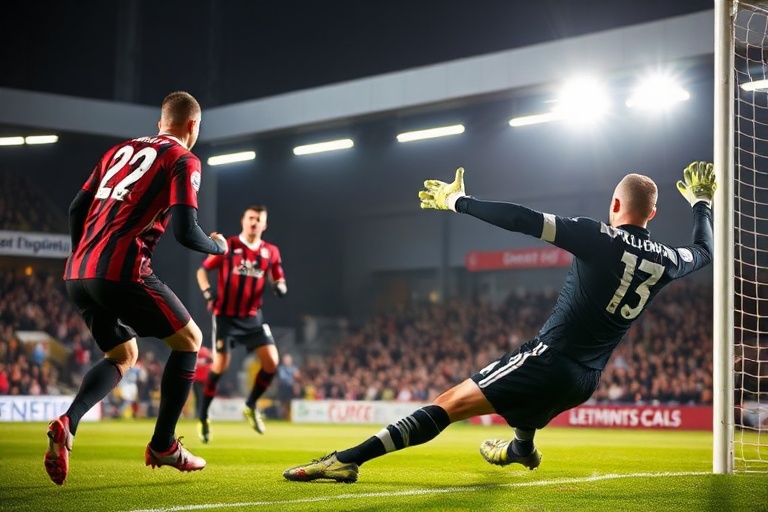
The match unfolded with Salford controlling the tempo early on, probing Grimsby’s defense with quick passing and aggressive pressing. However, Grimsby’s resilience was evident in their ability to absorb pressure and strike on the counter. Their first goal, a header from a set piece, underscored their physicality and tactical awareness. Salford’s response came through a moment of individual brilliance, a solo run culminating in a composed finish. The game ended in a 1-1 draw, a result that reflected the balance of power between the two sides.
The Cultural Significance of Lower League Football
Matches like Salford City vs. Grimsby Town highlight why lower league football remains vital to the global appeal of the sport. In an era where elite clubs are increasingly detached from their communities, these fixtures offer a raw, unfiltered experience. They are a testament to football’s ability to unite people across generations, social classes, and even continents.
For Salford City, the club’s global fanbase is a double-edged sword. While it brings financial stability and exposure, it also risks diluting the local identity that once defined the club. Grimsby Town, meanwhile, embodies the enduring spirit of community football. Its supporters travel hundreds of miles to watch their team, not because of star players or media coverage, but because of an unbreakable bond with the club.
What This Match Tells Us About Modern Football
The Salford City vs. Grimsby Town fixture is a microcosm of football’s broader trends. It illustrates the tension between tradition and modernity, between local roots and global ambitions. While Salford City’s rise is a story of financial investment and strategic planning, Grimsby Town’s survival is a testament to the enduring power of community and tradition.
For fans of the game, this match was a reminder of why football continues to captivate millions. It is not just about the spectacle of the Premier League or the glamour of European competitions. It is about the passion of supporters, the dedication of managers, and the unpredictability of every 90-minute battle, regardless of the league.
As football continues to evolve, matches like these serve as a vital link to the sport’s past. They remind us that, at its core, football is still a game played by people, for people. Whether in the gleaming stadiums of the Premier League or the modest grounds of the National League, the spirit of the game endures.
Looking Ahead
For Salford City, the path forward involves balancing ambition with authenticity. Can they maintain their connection to the local community while expanding their global reach? For Grimsby Town, the challenge is survival—financially and competitively—in an era dominated by the financial might of larger clubs.
One thing is certain: the next time these two clubs meet, the stakes will be higher, the narratives more complex, and the passion just as palpable. Football, in all its forms, continues to write its story, one match at a time.
For more insight into the evolving landscape of English football, explore our Sports section, where we delve into the cultural and tactical shifts shaping the game today.
© 2023 Dave’s Locker. All rights reserved.