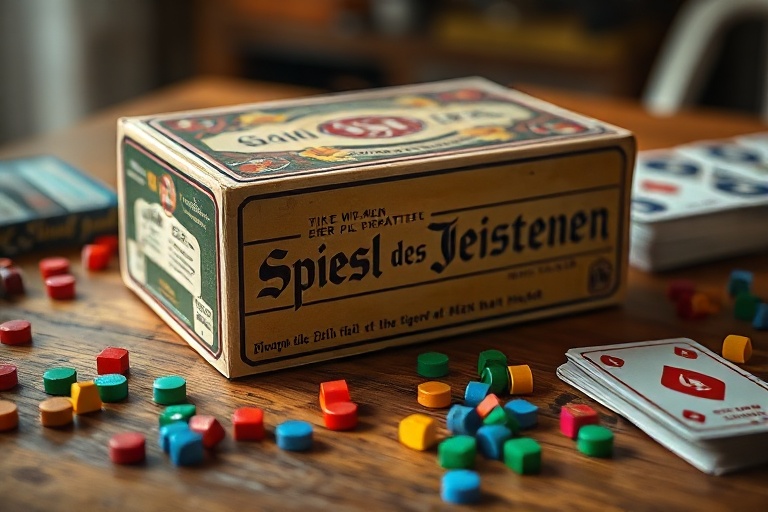
Spiel des Jahres: The Ultimate Guide to Board Game Awards
The Spiel des Jahres, or “Game of the Year,” stands as one of the most prestigious awards in the board gaming world. Since its inception in 1978, this German-based honor has become a benchmark for quality, accessibility, and innovation in family-friendly games. Unlike awards that focus solely on complexity or strategy, Spiel des Jahres prioritizes games that are easy to learn, engaging for all ages, and enjoyable for families and casual players alike.
The award’s influence extends far beyond Europe. Many winners have seen significant sales boosts, sometimes selling hundreds of thousands of copies within months. For smaller publishers, winning the Spiel des Jahres can be a career-defining moment, catapulting their game into the mainstream. The award also shapes industry trends, encouraging designers to create games that balance simplicity with depth.
The History and Evolution of Spiel des Jahres
The Spiel des Jahres was created by a group of German board game enthusiasts and journalists who wanted to highlight games that were both fun and approachable. The first winner, in 1979, was Hare and Tortoise, a simple racing game with a unique movement mechanic. Over the decades, the award has evolved to reflect changing tastes in gaming.
In the 1980s and 1990s, the award often recognized classic family games like Carcassonne (2001) and El Grande (1996), which blended strategy with accessibility. The 2000s saw a shift toward lighter, more social games such as Dominion (2009), the first deck-building game to win the award, and Dixit (2010), celebrated for its artistic and imaginative gameplay.
The award’s criteria have remained consistent: the game must be easy to learn, engaging for players of all ages, and have high-quality components. The jury, composed of board game journalists from German-speaking countries, plays each nominated game extensively before selecting the winner. In addition to the main award, the jury often highlights exceptional games with the Kennerspiel des Jahres (Expert Game of the Year) and Kinderspiel des Jahres (Children’s Game of the Year).
Notable Winners and Their Impact
Some Spiel des Jahres winners have transcended the board gaming niche to become household names. One of the most iconic is Catan, originally titled The Settlers of Catan, which won in 1995. The game introduced millions to modern board gaming with its modular board and resource-trading mechanics. Its success led to numerous expansions, spin-offs, and even digital adaptations.
Another standout is Ticket to Ride, which won in 2004. Designed by Alan R. Moon, this railway-themed game is celebrated for its elegant simplicity and strategic depth. It has since spawned multiple versions, from family board games set in different countries to competitive expansions.
The 2010s brought a wave of innovative winners, including Kingdomino (2017), a tile-drafting game that combines strategy with quick playtime. Its success demonstrated how even smaller publishers could achieve global recognition through the award. Similarly, Just One (2019), a cooperative word-guessing game, showcased how accessible design could lead to widespread appeal.
Recent Winners and Trends
The past few years have seen a focus on cooperative and storytelling games. In 2021, MicroMacro: Crime City won the Kennerspiel des Jahres. This detective game challenges players to solve crimes by examining a detailed city map, blending visual storytelling with deduction. The game’s success highlighted the growing popularity of narrative-driven experiences in board gaming.
2022’s winner, Cascadia, took a different approach by emphasizing nature and tile-laying mechanics. Designed by Randy Flynn, the game tasks players with creating habitats for wildlife while strategically placing terrain tiles. Its peaceful aesthetic and straightforward rules made it a hit among families and casual gamers.
The 2023 winner, Dorfromantik, continued this trend, drawing inspiration from the popular video game of the same name. Players collaboratively build a landscape by placing hexagonal tiles, creating a harmonious and visually satisfying tableau. The game’s success underscored the award’s openness to themes beyond traditional strategy, embracing creativity and relaxation.
Why Spiel des Jahres Matters in the Board Gaming Industry
The Spiel des Jahres serves multiple roles in the board gaming ecosystem. For players, it provides a reliable guide to quality games that are worth their time and money. With thousands of new games released each year, the award offers a curated list of titles that have been rigorously tested and vetted by experts.
For publishers, the award is a powerful marketing tool. Winning or even being nominated can lead to significant sales increases, media coverage, and industry recognition. Games like Azul (2018) and Wingspan (Kennerspiel des Jahres 2019) saw dramatic growth after their wins, proving the award’s commercial impact.
The award also influences game design trends. Designers often strive to create games that align with Spiel des Jahres criteria, leading to a proliferation of accessible yet strategic games. This has democratized board gaming, making it more inclusive for families, new players, and those intimidated by complex rules.
How to Choose a Spiel des Jahres Winner for Your Collection
If you’re new to board gaming or looking to expand your collection, a Spiel des Jahres winner is a safe bet. Here’s how to pick the right game for your group:
- Consider the player count: Some games, like Just One, work well with large groups, while others, such as Cascadia, are better suited for smaller gatherings.
- Evaluate playtime: Most winners clock in under 60 minutes, making them ideal for family game nights or casual play sessions.
- Assess complexity: If your group prefers lighter games, look for titles like Dixit or Kingdomino. For those wanting a bit more depth, Wingspan or Azul offer rewarding strategic experiences.
- Check the theme: Whether it’s nature in Cascadia, art in Dixit, or mystery in MicroMacro, the theme can enhance engagement and replayability.
For families with younger children, the Kinderspiel des Jahres is an excellent place to start. Recent winners like Fotosafari (2023) and Zauberberg (2022) offer simple rules and vibrant components that captivate kids while teaching basic skills like memory and color recognition.
Conclusion: The Lasting Legacy of Spiel des Jahres
For over four decades, the Spiel des Jahres has played a pivotal role in shaping the board gaming landscape. It has introduced countless players to the joy of tabletop gaming, elevated the careers of designers, and set a standard for quality and accessibility. Winning the award remains a career-defining achievement, but even being nominated can provide a significant boost to a game’s visibility and sales.
The award’s emphasis on family-friendly design has also helped bridge the gap between traditional and modern board gaming. By prioritizing games that are easy to learn but rewarding to master, Spiel des Jahres has made board gaming more inclusive and appealing to a broader audience. Whether you’re a seasoned gamer or a newcomer, exploring the winners of this prestigious award is a great way to discover new favorites.
As the board gaming industry continues to evolve, the Spiel des Jahres will undoubtedly remain a guiding light for designers, players, and publishers alike. Its legacy is not just in the games it has celebrated, but in the way it has transformed how we play, connect, and enjoy shared experiences around the table.