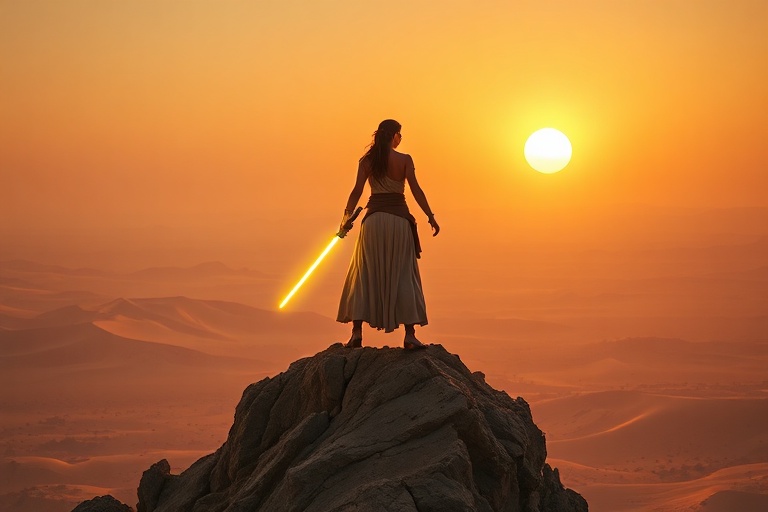
Star Wars: The Rise of Skywalker Ends an Era with Mixed Emotions
When Star Wars: The Rise of Skywalker premiered in December 2019, it carried the weight of an entire galaxy’s expectations. As the ninth and final chapter in the Skywalker saga, the film arrived amid a wave of nostalgia, fan theories, and industry scrutiny. Directed by J.J. Abrams, who also helmed The Force Awakens, the movie attempted to reconcile three decades of storytelling while introducing fresh elements to the franchise. Yet, its reception reflected the complexities of modern blockbuster filmmaking: ambitious in scope but uneven in execution.
The global box office performance told one story. With a worldwide gross of over $1.07 billion, The Rise of Skywalker proved that Star Wars remained a cultural juggernaut, even as ticket sales declined from previous installments. In China, the film opened to strong numbers despite competition from local productions, while European markets embraced its spectacle. Yet, behind the numbers lay a more nuanced discussion about legacy, representation, and the future of franchises in an era of streaming and fan service.
The Skywalker Saga’s Final Chapter: A Global Perspective
The Rise of Skywalker arrived at a time when Star Wars was no longer just a film series but a multimedia empire. The franchise had expanded into television with The Mandalorian, which became a surprise hit on Disney+, while video games like Star Wars Jedi: Fallen Order introduced the saga to new generations. In Japan, where Star Wars had long been celebrated for its samurai-inspired themes, the film’s release coincided with a resurgence of interest in practical effects—a nod to the original trilogy’s craftsmanship.
Globally, the film’s marketing leaned heavily on nostalgia. Trailers featured John Williams’ iconic score, while posters echoed the original trilogy’s aesthetic. In Latin America, where Star Wars had cultivated a dedicated fanbase through dubbing and local merchandising, the film’s release was met with enthusiasm, though some critics questioned the decision to sideline certain characters. Meanwhile, in Africa, where Star Wars had historically struggled to gain traction, the film’s diverse cast—including John Boyega’s Finn and Kelly Marie Tran’s Rose Tico—sparked conversations about representation in sci-fi.
Fan Reactions and Critical Divides
The film’s reception was as polarized as the galaxy it portrayed. On review aggregator Rotten Tomatoes, it earned a 52% critics’ score and a 63% audience rating, revealing a stark disconnect between professional reviewers and fans. Critics often cited pacing issues, convoluted plot threads, and a reliance on fan service, while audiences praised its emotional beats, particularly the return of key characters like Lando Calrissian (Billy Dee Williams) and the final confrontation between Kylo Ren (Adam Driver) and Rey (Daisy Ridley).
Online communities dissected every detail. Reddit threads debated Rey’s lineage, while Twitter erupted over the treatment of certain characters. In Europe, where fan culture often thrives in conventions like Germany’s Fantasyspiel, discussions about the film’s pacing dominated panels. In South Korea, where Star Wars had a smaller but dedicated following, memes about the film’s infamous “speeding skiff” chase scene went viral, underscoring how global audiences engage with franchises differently.
Some critics argued that The Rise of Skywalker suffered from studio interference, particularly after the backlash to The Last Jedi (2017) led to reshoots and rewrites. Others defended the film as a necessary conclusion to a sprawling narrative, one that prioritized emotional payoffs over meticulous plotting. The debate mirrored broader conversations about franchise filmmaking in the 21st century, where studios balance creative risks with commercial demands.
The Future of Star Wars: What Comes Next?
With the Skywalker saga complete, Star Wars faces an uncertain future. Disney has signaled a shift toward television, with multiple series in development, including Ahsoka and The Mandalorian spin-offs. Yet, the film’s mixed reception raises questions about the franchise’s direction. Will future projects prioritize nostalgia, or will they take bold risks? The answer may depend on whether Disney can reconcile the demands of longtime fans with the need to attract new audiences.
Globally, the franchise’s next steps could redefine its cultural footprint. In India, where Disney is investing heavily in local content, a Star Wars series set in a Bollywood-inspired galaxy could revolutionize the franchise’s approach to diversity. Meanwhile, in Europe, where Star Wars has struggled to compete with homegrown sci-fi like Dark or Altered Carbon, a fresh narrative could reignite interest.
The legacy of The Rise of Skywalker will likely be debated for years. Some will remember it as a flawed but necessary conclusion, while others will dismiss it as a missed opportunity. Yet, its global journey—from box office numbers to fan debates—highlights how Star Wars remains more than a film series; it’s a cultural touchstone that adapts, evolves, and, at times, stumbles.
Where Does Star Wars Go From Here?
As the dust settles, one thing is clear: Star Wars is not going away. The franchise’s ability to reinvent itself has kept it relevant for over four decades, from the original trilogy’s groundbreaking effects to The Mandalorian’s embrace of streaming. For fans, the saga’s future may lie in uncharted territory—new stories, new characters, and perhaps even new mediums. Yet, the lessons of The Rise of Skywalker remain: balancing legacy with innovation is no easy task.
For those looking to explore more about the franchise’s history, Dave’s Locker’s Entertainment section offers deep dives into Star Wars lore, from its early concept art to its impact on global pop culture. Whether you’re a longtime fan or a newcomer, the galaxy far, far away continues to expand—one story at a time.