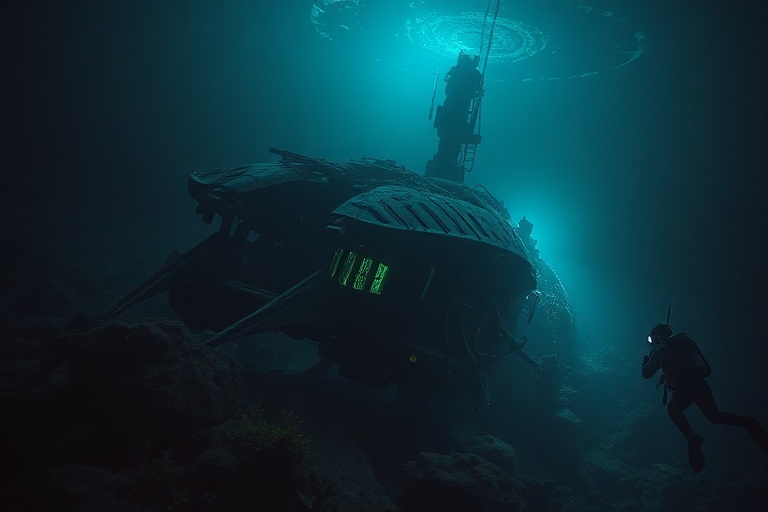
Since its release in 2018, Subnautica has established itself as one of the most immersive survival games ever created. Developed by Unknown Worlds Entertainment, this underwater adventure drops players into an alien ocean on a distant planet, forcing them to explore, gather resources, and unravel mysteries while battling the ocean’s dangers. Its sequel, Subnautica: Below Zero, expanded on the original’s foundation, offering a colder, more enigmatic setting.
The games have resonated globally, not just as entertainment but as a reflection of humanity’s fascination with the unknown depths of the ocean. In an era where space exploration often dominates sci-fi narratives, Subnautica offers a fresh perspective by focusing on the uncharted frontiers beneath the waves.
The Evolution of Survival Game Design
Survival games have evolved significantly over the past decade. Early titles like Minecraft and Terraria introduced players to resource management and crafting, but Subnautica took these mechanics underwater, where every decision carried weight. The game’s open-world design encourages exploration while imposing strict limits on oxygen, health, and materials.
Unknown Worlds refined this formula in Below Zero, where the player character, Robin, navigates a frozen alien sea. The sequel introduced new mechanics, such as temperature management and dynamic weather, which added layers of challenge. Both games exemplify how survival elements can merge with storytelling to create a deeply engaging experience.
Globally, survival games have surged in popularity, with titles like The Forest and Valheim gaining massive followings. However, Subnautica stands out for its environmental storytelling. The ocean itself feels alive, with shifting currents, bioluminescent creatures, and hidden dangers lurking in the depths. This attention to detail has made it a benchmark for the genre.
Key Features That Define the Experience
Subnautica and Below Zero share core mechanics that define their gameplay:
- Resource Scarcity: Players must scavenge for materials across vast underwater landscapes, often at great risk.
- Base Building: Constructing underwater habitats is essential for survival, requiring strategic planning and adaptability.
- Alien Ecosystems: The games feature diverse flora and fauna, some hostile, others benign, creating a living, breathing world.
- Narrative Depth: The story unfolds through environmental clues, audio logs, and encounters with other survivors.
These elements combine to create a sense of isolation and wonder. The ocean is both beautiful and terrifying, mirroring humanity’s dual relationship with the unknown. In Japan, where survival horror is a well-established genre, Subnautica has been praised for its atmospheric tension. Meanwhile, Western audiences have embraced its blend of exploration and survival, cementing its place in gaming culture.
Cultural Impact and Global Reception
Subnautica has transcended its status as a niche survival game to become a cultural touchstone. Its success is evident in its sales figures—over 10 million copies sold across both titles—and its strong presence on streaming platforms. Content creators like Markiplier and Jacksepticeye have introduced millions of viewers to the game’s underwater world.
In Europe, where narrative-driven games often receive critical acclaim, Subnautica was celebrated for its immersive world-building. The game’s lack of traditional combat mechanics appealed to players seeking a more contemplative experience. Meanwhile, in South Korea, where gaming is a major industry, Subnautica found a niche among players who appreciate strategy and exploration.
The games’ environmental themes have also sparked discussions about real-world ocean conservation. By presenting an alien ocean that feels eerily similar to Earth’s, Subnautica invites players to reflect on humanity’s relationship with marine ecosystems. This subtle messaging has resonated with environmentally conscious audiences worldwide.
For those interested in the broader gaming landscape, gaming culture continues to evolve, with survival games playing a key role in shaping player expectations for immersion and challenge.
Why Subnautica Stands Out in the Survival Genre
What makes Subnautica different from other survival games? Several factors contribute to its enduring appeal:
- Unmatched Atmosphere: The game’s sound design, visuals, and music create a sense of awe and dread. The silence of the deep sea, punctuated by distant creature sounds, immerses players in a way few games can.
- Player Agency: While survival mechanics impose limits, players retain significant control over their journey. The open-ended nature of the game allows for multiple playstyles, from cautious exploration to bold resource-gathering.
- Emotional Storytelling: The narrative unfolds gradually, rewarding patience and observation. Players uncover the mystery of the planet’s fate through scattered clues, making each discovery feel personal.
- Technical Excellence: Unknown Worlds’ engine delivers stunning underwater effects, from light refraction to underwater propulsion physics. The level of detail ensures that every dive feels unique.
These qualities have cemented Subnautica as a modern classic. Unlike many survival games that prioritize difficulty over depth, Subnautica balances challenge with wonder. It’s a game that rewards curiosity, punishes recklessness, and leaves players with a lasting sense of accomplishment.
For those looking to explore more of the genre, titles like No Man’s Sky and The Long Dark offer similar survival mechanics with different settings. However, none capture the claustrophobic beauty of an alien ocean quite like Subnautica.
Looking Ahead: The Future of Subnautica
As of 2024, fans continue to await news about a potential third Subnautica game. Rumors suggest that Unknown Worlds is exploring new directions, possibly expanding into multiplayer or introducing new biomes. Given the franchise’s strong community support, any future installment will likely build on the foundation laid by its predecessors.
The games’ legacy extends beyond their commercial success. They have inspired modders, artists, and even marine biologists to explore the intersections between gaming and real-world science. The Subnautica community remains active, with players sharing base designs, exploration guides, and fan art.
In an era where gaming is increasingly recognized as an art form, Subnautica stands as a testament to the medium’s power to transport and challenge players. Its blend of survival mechanics, environmental storytelling, and breathtaking visuals ensures its place in gaming history.
For those yet to dive into its depths, Subnautica offers an experience unlike any other. It’s a journey that tests resilience, rewards curiosity, and leaves players with memories as vivid as the alien ocean itself.