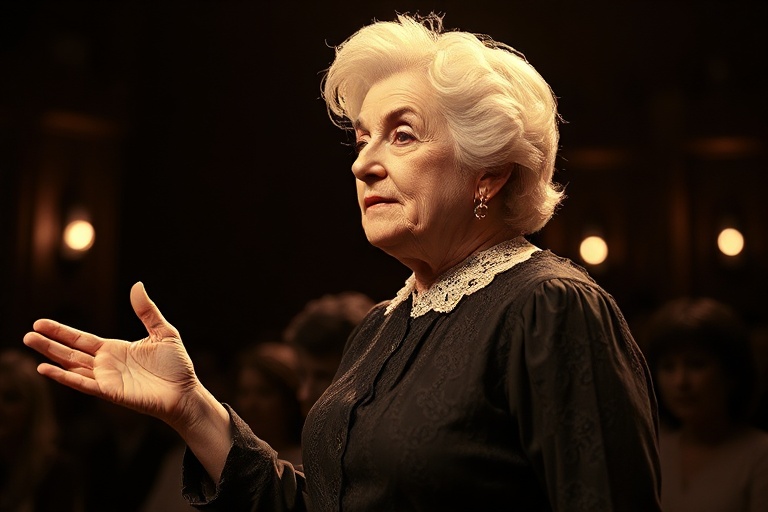
Season 2 of The Ex-Wife has arrived, and with it comes a fresh wave of intrigue, cultural commentary, and sharp storytelling that continues to captivate audiences worldwide. Since its debut last year, the series has quietly built a reputation as more than just another drama—it’s a reflection of modern relationships, societal expectations, and the messy realities of love and separation.
The show’s creators deliberately avoided melodrama in favor of raw authenticity, which has resonated with viewers from Los Angeles to Tokyo. As streaming platforms increasingly prioritize international audiences, The Ex-Wife stands out for its universal themes, proving that divorce and redemption are experiences anyone can relate to.
The Global Appeal of The Ex-Wife
One of the most striking aspects of The Ex-Wife is its ability to transcend cultural boundaries. While the show is set in a fictionalized version of New York City, its themes of betrayal, forgiveness, and personal growth resonate deeply across different societies.
In South Korea, where divorce rates have risen steadily over the past decade, the show has sparked conversations about marital expectations and gender roles. Korean viewers have praised the series for its nuanced portrayal of a woman reclaiming her life after a failed marriage—a narrative often overshadowed by traditional storytelling.
Similarly, in Europe, where divorce laws vary widely, The Ex-Wife has been analyzed through legal and psychological lenses. Critics in France and Germany have highlighted how the show’s characters navigate divorce proceedings with a realism rarely seen in television.
- South Korea: Discussions on gender equality and societal pressures.
- France: Legal realism in divorce scenarios.
- Germany: Psychological depth in character decisions.
- Brazil: Cultural attitudes toward remarriage and independence.
This global perspective has helped the show gain traction beyond its original audience. Streaming platforms like Netflix and Hulu have capitalized on this by providing subtitles and dubs in multiple languages, ensuring that language is no longer a barrier to engagement.
What’s New in Season 2?
The second season expands the story in unexpected ways. While the first season focused heavily on the protagonist’s emotional journey, Season 2 introduces new characters, deeper conflicts, and a more intricate web of relationships.
One of the most talked-about additions is the introduction of a rival firm in the protagonist’s professional life. This new dynamic forces her to confront not just her personal demons but also the competitive world of high-stakes law. The writing balances workplace tension with intimate character moments, creating a rhythm that keeps viewers hooked.
The show’s creators have also doubled down on its signature style: minimalist dialogue, naturalistic performances, and a refusal to glorify any character’s choices. This approach has earned the series comparisons to critically acclaimed dramas like Succession and The Morning Show, though The Ex-Wife carves its own path by focusing on a woman navigating life after marriage rather than corporate power struggles.
Key Changes in Season 2
- A new antagonist: A formidable opponent in the protagonist’s career, challenging her resilience.
- Expanded family dynamics: More focus on the protagonist’s children and their reactions to her evolving life.
- Legal and ethical dilemmas: The protagonist grapples with moral questions that test her principles.
- International subplot: A brief but impactful storyline involving a foreign colleague, adding global texture.
These changes have been met with cautious optimism from fans. Early reviews suggest that while the first season laid a strong foundation, Season 2 risks spreading itself too thin with its expanded cast. However, the show’s commitment to realism still shines through, making it a standout in an era of overly polished television.
The Cultural Impact of The Ex-Wife
Beyond its entertainment value, The Ex-Wife has become a cultural touchstone for discussions about modern relationships. The show’s unflinching portrayal of divorce has made it a reference point in articles, podcasts, and even academic papers examining the shifting dynamics of marriage.
In the United States, where divorce rates hover around 40%, the show has been cited in debates about co-parenting, financial independence, and emotional recovery. Meanwhile, in countries like India, where divorce remains stigmatized, The Ex-Wife has sparked quiet conversations about the need for greater acceptance of second chances.
The show’s influence extends to social media, where fans have created memes, fan art, and even support groups for viewers going through similar experiences. This organic engagement speaks to the show’s power to foster real-world connections—a rare feat in today’s fragmented media landscape.
Even fashion has taken notice. The protagonist’s wardrobe, a mix of sleek professional attire and casual comfort, has inspired trends on platforms like Pinterest and Instagram. This crossover appeal underscores how The Ex-Wife blends storytelling with lifestyle, making it more than just a show—it’s a cultural moment.
Why The Ex-Wife Matters in Today’s Media Landscape
In an era where streaming services churn out content at an unprecedented rate, The Ex-Wife stands out for its restraint. It doesn’t rely on shock value or over-the-top drama. Instead, it trusts its audience to engage with complex characters and morally ambiguous situations.
This approach aligns with a growing demand for authenticity in television. Shows like Fleabag and I May Destroy You have proven that audiences crave stories that reflect real life, flaws and all. The Ex-Wife fits squarely into this trend, offering a refreshing alternative to the escapism of fantasy or crime dramas.
The show’s success also highlights the importance of diverse storytelling. While Hollywood has long prioritized narratives centered on young, attractive protagonists, The Ex-Wife centers on a woman in her 40s—a demographic often overlooked in mainstream media. This choice has not only broadened its appeal but also opened doors for more stories about midlife reinvention.
For aspiring writers and creators, The Ex-Wife serves as a case study in how to build a compelling narrative without relying on gimmicks. Its writers have crafted a story that feels both personal and universal, a balance that is difficult to achieve but essential for lasting impact.
Final Thoughts: A Show Worth Watching
The Ex-Wife Season 2 arrives at a time when audiences are hungry for stories that challenge conventions. Its global appeal, cultural relevance, and commitment to realism set it apart in a crowded television landscape. While it may not have the explosive marketing of a blockbuster series, its quiet influence is undeniable.
As streaming platforms continue to dominate entertainment, shows like The Ex-Wife remind us of the power of great storytelling. They prove that audiences don’t always need spectacle—they need truth, even when it’s uncomfortable.
For those who haven’t yet tuned in, now is the perfect time to start. And for seasoned viewers, Season 2 offers enough new twists to keep the journey compelling. Whether you’re drawn in by its emotional depth, its cultural commentary, or simply its addictive storytelling, The Ex-Wife is a show that demands to be seen.
Don’t miss out on the conversation. Join the millions of viewers worldwide who have made The Ex-Wife a must-watch series, and see for yourself why it’s resonating so deeply.
For more on trending television and cultural analysis, explore our Entertainment section.