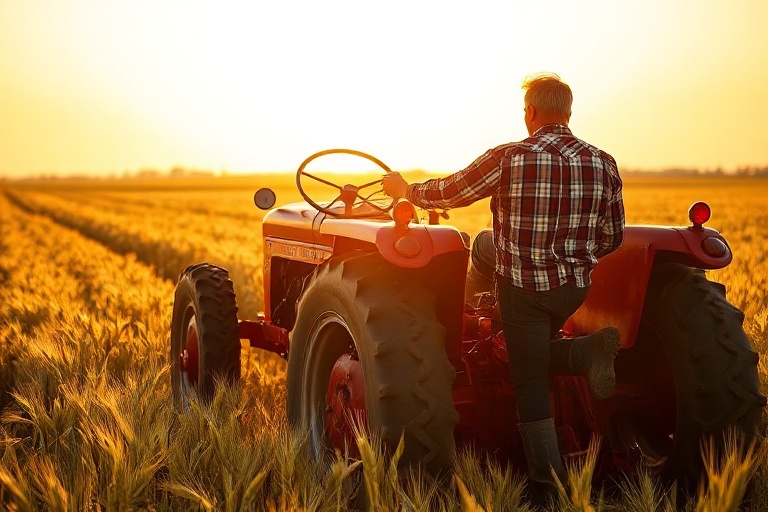
Farming is one of humanity’s oldest professions, yet its role in society has evolved dramatically over centuries. What once began as a simple act of survival—planting seeds and harvesting crops—has transformed into a complex industry shaped by technology, economics, and environmental challenges. Today’s farmers are not just cultivators of land; they are stewards of sustainability, innovators of efficiency, and key players in global food security.
The stereotype of the farmer as a solitary figure in overalls persists, but the reality is far more dynamic. Modern agriculture demands expertise in everything from soil science and meteorology to data analytics and supply chain management. As climate change intensifies and populations grow, the pressure on farmers to adapt has never been greater. The choices they make today will ripple across economies, ecosystems, and future generations.
The Changing Face of Farming
Farming today looks nothing like it did even 50 years ago. Mechanization revolutionized agriculture in the 20th century, replacing manual labor with tractors, harvesters, and automated systems. Now, a new wave of innovation is reshaping the industry once again. Precision agriculture, for example, uses GPS, drones, and sensors to optimize planting, watering, and harvesting. Farmers can now monitor crop health in real-time, reducing waste and increasing yields.
Data-driven decision-making has become a cornerstone of modern farming. Soil sensors track moisture levels, drones map fields, and AI analyzes weather patterns to predict the best times for planting and harvesting. These tools allow farmers to make informed choices, but they also require significant investment and technical knowledge. For small-scale farmers, accessing this technology can be a challenge, creating a divide between large industrial farms and family-owned operations.
Another critical shift is the growing emphasis on sustainability. Consumers increasingly demand organic, non-GMO, and ethically sourced products, pushing farmers to adopt practices that reduce environmental harm. Regenerative agriculture, which focuses on soil health and carbon sequestration, is gaining traction as a way to combat climate change while maintaining productivity. These methods often require more labor and patience than conventional farming, but they offer long-term benefits for both the land and the market.
The Economic Realities of Farming
The financial pressures on farmers are immense. Rising costs for fuel, equipment, and fertilizers squeeze profit margins, while unpredictable weather and market fluctuations add layers of uncertainty. Government subsidies and crop insurance provide some stability, but they don’t always cover the full spectrum of risks farmers face. Trade policies, such as tariffs or new export agreements, can also dramatically impact profitability.
Meanwhile, the global food supply chain is becoming more interconnected—and more fragile. A drought in one region can send shockwaves through commodity markets, affecting prices worldwide. Farmers must navigate these complexities while also meeting the demands of retailers, wholesalers, and consumers. Direct-to-consumer models, like farmers’ markets and community-supported agriculture (CSA) programs, offer alternative revenue streams but require additional time and marketing effort.
For many farmers, diversification is key to survival. Some expand into agritourism, inviting visitors to pick their own produce or stay on working farms. Others focus on niche markets, such as heirloom varieties or specialty crops, which command higher prices. Livestock farmers may integrate crop production to create closed-loop systems, reducing feed costs and improving sustainability. These strategies require creativity and adaptability, but they can provide a buffer against economic volatility.
Technology and the Future of Farming
Technology is not just changing how farmers work; it’s redefining what farming can be. Vertical farming, for instance, allows crops to be grown in stacked layers within controlled environments, using up to 95% less water than traditional methods. Hydroponics and aeroponics eliminate the need for soil entirely, making it possible to farm in urban areas or arid regions. While these methods are still in their infancy, they hold promise for addressing food deserts and reducing transportation emissions.
Robotics and automation are also making inroads. Autonomous tractors and robotic harvesters can work around the clock, increasing efficiency and reducing labor costs. In dairy farming, robots milk cows and monitor health metrics, freeing up time for farmers to focus on other tasks. These technologies are expensive, but as they become more affordable, they could level the playing field for smaller operations.
Yet technology is not a panacea. It raises ethical questions about job displacement, data privacy, and the control of agricultural knowledge. Companies that develop farming software or robotic systems often retain ownership of the data generated, leaving farmers with less autonomy over their own operations. As agriculture becomes more digitized, the need for policies that protect farmers’ rights to their data will grow.
Why Farming Matters Now More Than Ever
The challenges facing modern farmers extend far beyond their fields. Food security is a global issue, with climate change threatening staple crops like wheat, rice, and corn. Political instability in key agricultural regions can disrupt supply chains, leading to shortages and price spikes. Meanwhile, the loss of farmland to urbanization and industrial development reduces the world’s capacity to produce food.
Farmers are on the front lines of these crises, but they are also part of the solution. Their work supports rural economies, preserves cultural traditions, and maintains biodiversity. By adopting sustainable practices, they can help mitigate climate change while ensuring food remains abundant and affordable. For these reasons, supporting farmers—whether through consumer choices, policy advocacy, or direct investment—is an investment in the future.
The next decade will be critical for agriculture. Will farmers embrace innovation and sustainability, or will they be overwhelmed by the pressures of a changing world? The answer depends not only on their resilience but also on the choices made by governments, corporations, and consumers. One thing is clear: the modern farmer is a vital link in the chain that connects us to the land and to each other.
Key Takeaways for Aspiring Farmers and Consumers
- Adaptability is essential: Farmers must stay informed about new technologies, regulations, and market trends to remain competitive.
- Sustainability pays off: Practices like crop rotation, cover cropping, and reduced tillage improve soil health and can lower long-term costs.
- Diversification reduces risk: Exploring multiple revenue streams, such as agritourism or value-added products, can stabilize income.
- Technology is a tool, not a replacement: While automation and data analytics offer advantages, human expertise remains irreplaceable in farming.
- Support local farmers: Purchasing directly from farmers or choosing sustainably sourced products helps build resilient food systems.
For those considering a career in farming, the path is challenging but rewarding. It offers the chance to work outdoors, contribute to society, and be part of a tradition that spans millennia. For consumers, understanding the realities of farming fosters a deeper appreciation for the food on their plates and the people who produce it.
Farming is no longer just about putting food on the table. It’s about securing the future of our planet—and that’s a responsibility worth taking seriously.
Explore more about food systems and sustainability on Dave’s Locker Food and Dave’s Locker Technology.