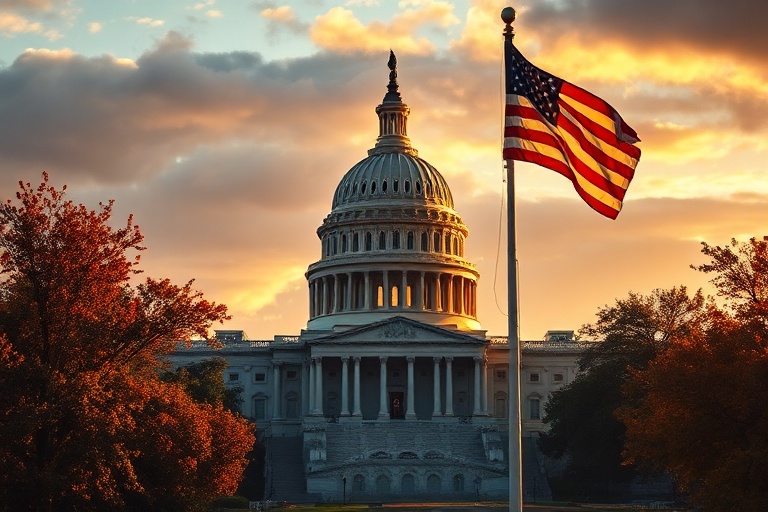
The United States: Power, Culture, and Contradictions Explained
The United States remains one of the most analyzed, mythologized, and scrutinized countries in modern history. From its founding as a revolutionary experiment in democracy to its current role as a global superpower, America’s trajectory has been marked by both extraordinary achievements and persistent contradictions. Its cultural exports, economic dominance, and military reach shape international affairs, yet the country itself grapples with deep internal divisions—political polarization, racial tensions, and widening inequality.
This complexity makes the United States a subject of endless fascination and debate. It is a land of both innovation and inertia, where progress and resistance often move in tandem. Understanding America requires looking beyond stereotypes and examining the forces—historical, economic, and social—that continue to define its identity on the world stage.
The Cultural Engine: How America Shapes Global Identity
Few nations have left as indelible a mark on global culture as the United States. Hollywood films dominate international box offices. American music—from jazz and blues to hip-hop and pop—has become the lingua franca of youth culture worldwide. Brands like Nike, Coca-Cola, and Apple are more than products; they are symbols of modernity and aspiration.
This cultural hegemony, however, is not universally welcomed. Critics argue that American soft power often carries an undercurrent of homogenization, eroding local traditions in favor of a standardized globalized identity. Yet, the same cultural exports also serve as vehicles for cross-cultural exchange, enabling marginalized voices to challenge dominant narratives. For instance, movements like #BlackLivesMatter have leveraged digital media—a distinctly American creation—to galvanize international solidarity.
America’s role as a cultural exporter is not accidental. It is the result of deliberate strategies by industries, government policies, and historical circumstances. The Marshall Plan’s cultural diplomacy after World War II, for example, helped embed American values abroad. Today, platforms like Netflix and Spotify act as cultural ambassadors, streaming American content into living rooms from Tokyo to Lagos.
The Paradox of Diversity and Division
At its core, the United States is a nation of immigrants, a fact celebrated in its national mythology. Cities like New York, Los Angeles, and Chicago are microcosms of global diversity, where languages, cuisines, and traditions coexist. Yet, this diversity exists alongside stark divisions—racial, economic, and political. The legacy of slavery and segregation casts a long shadow, while debates over immigration continue to polarize the country.
This tension between unity and fragmentation is evident in the country’s political landscape. The United States was designed as a federal republic, balancing state and national interests. However, the balance has often tipped into conflict, particularly during periods of rapid social change. The Civil Rights Movement of the 1960s and the ongoing struggle for LGBTQ+ rights exemplify how America’s ideals of equality are continually tested and redefined.
Globally, this duality resonates. Countries with their own histories of colonialism and migration look to the U.S. as both a model and a cautionary tale. For some, America represents the promise of freedom and opportunity. For others, it embodies the contradictions of a nation that proclaims liberty while grappling with systemic injustice.
The Economic Giant: Innovation and Inequality
The United States is the world’s largest economy, a position it has held for over a century. Its Gross Domestic Product (GDP) exceeds that of the next three largest economies combined. The country leads in technological innovation, with Silicon Valley serving as the epicenter of the digital revolution. Companies like Tesla, Amazon, and Google have redefined industries, while venture capital and entrepreneurial culture fuel a relentless pace of disruption.
Yet, this economic power is unevenly distributed. Income inequality in the U.S. is among the highest in the developed world. The top 1% of households hold more wealth than the bottom 90% combined. This disparity is exacerbated by systemic issues such as wage stagnation, the erosion of labor rights, and the financialization of the economy. The 2008 financial crisis laid bare the fragility of this system, triggering global repercussions and sparking movements like Occupy Wall Street.
Globally, the U.S. economy’s influence is undeniable. The dollar remains the world’s reserve currency, and American corporations shape supply chains, labor practices, and consumer behavior worldwide. However, challenges like automation, climate change, and geopolitical tensions—particularly with China—threaten to disrupt this dominance. The shift toward reshoring manufacturing and the rise of protectionist policies under recent administrations highlight the country’s struggle to maintain its economic edge.
The Military and Geopolitical Role
No discussion of the United States is complete without addressing its military power. The U.S. spends more on defense than the next ten countries combined. Its network of military bases spans the globe, from Europe to Asia, serving as both a deterrent and a tool of foreign policy. The country’s interventions—from the Cold War to the War on Terror—have left indelible marks on the international order.
This military dominance, however, comes with significant costs and controversies. The wars in Iraq and Afghanistan, launched under the pretext of counterterrorism, resulted in hundreds of thousands of civilian deaths and destabilized entire regions. The use of drones and surveillance technologies has raised ethical questions about the limits of state power. Domestically, military spending often diverts resources from social programs, fueling debates about national priorities.
On the global stage, the U.S. faces a shifting geopolitical landscape. The rise of China, the resurgence of Russia, and the growing influence of regional powers like India and Brazil challenge America’s unipolar moment. Alliances such as NATO remain critical, but strains are evident as countries reassess their dependencies. The U.S. must navigate this new reality while addressing its own internal divisions and the perception of its role as either a stabilizing force or an imperialist power.
The American Dream: Myth or Reality?
The idea of the American Dream—the belief that anyone, regardless of background, can achieve success through hard work—is one of the country’s most powerful narratives. It has inspired generations of immigrants and served as a counterpoint to the rigid class systems of Europe. Yet, the reality often falls short of the myth. Studies show that social mobility in the U.S. is lower than in many other developed nations. The chance of a child born into the bottom 20% of incomes rising to the top 20% is only about 7.5%, compared to 11.7% in Denmark.
This disconnect between aspiration and reality fuels both hope and disillusionment. For some, the American Dream remains a guiding principle, a reason to persevere despite obstacles. For others, it is a cruel joke, a justification for systemic inequality. The COVID-19 pandemic exposed these contradictions vividly, as essential workers—often underpaid—risked their lives while corporate profits soared.
The pandemic also highlighted the resilience of American civil society. Grassroots movements, mutual aid networks, and local initiatives stepped in where government support failed. This bottom-up approach to problem-solving is a hallmark of the U.S., where innovation often emerges from the margins rather than the center.
Ultimately, the American Dream is neither entirely a myth nor a complete reality. It is a work in progress, a promise that the country continually renegotiates with its people and the world.
Looking Ahead: The Future of the United States
The United States stands at a crossroads. Domestically, it must address its deep-seated divisions—political, racial, and economic. The rise of populism, the erosion of trust in institutions, and the splintering of media ecosystems have created a fractured public sphere. Globally, it must adapt to a multipolar world where its dominance is no longer unchallenged.
Several key trends will shape America’s future:
- Demographics: By 2045, the U.S. is projected to become a majority-minority nation. This shift will redefine cultural norms, political priorities, and economic strategies. The country’s ability to integrate diverse communities will determine its social cohesion.
- Technology and Automation: Advances in artificial intelligence and robotics threaten to disrupt labor markets, exacerbating inequality. The U.S. must invest in education and social safety nets to mitigate these effects.
- Climate Change: The U.S. is both a major contributor to climate change and a leader in environmental innovation. Its response to this crisis will have global implications, particularly as natural disasters become more frequent and severe.
- Global Leadership: The U.S. must decide how to engage with a world where its influence is increasingly contested. Will it double down on unilateralism, or embrace multilateralism and cooperation?
These challenges are daunting, but they are not insurmountable. The U.S. has demonstrated a remarkable capacity for reinvention throughout its history. From the Industrial Revolution to the Digital Age, it has repeatedly adapted to changing circumstances. The question is whether it can do so without succumbing to the forces of division and decline.
The world watches America closely—not out of admiration alone, but out of necessity. What happens in the U.S. does not stay in the U.S. Its policies on trade, climate, and human rights ripple across the globe. Its cultural exports shape identities far beyond its borders. And its internal struggles offer lessons—or warnings—to nations grappling with similar issues.
In many ways, the story of the United States is the story of modernity itself: a tale of progress and setbacks, of unity and division, of dreams and disillusionment. It is a narrative that continues to unfold, and one that the world will keep interpreting for decades to come.