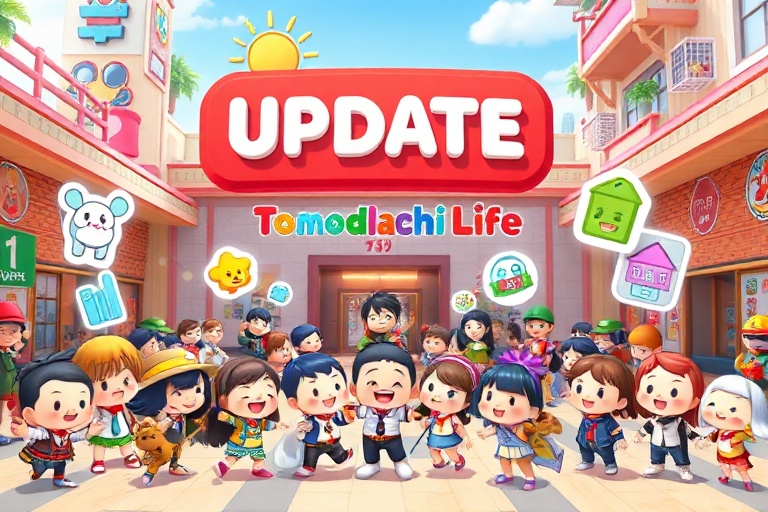
Tomodachi Life Update Adds Global Customization and New Features
Tomodachi Life Update Brings Fresh Global Connections and New Ways to Play
The latest update to Nintendo’s life simulation game Tomodachi Life has arrived, offering players around the world a chance to rediscover their virtual communities with renewed energy. Released for the Nintendo 3DS, Tomodachi Life invites players to create and interact with Mii-like characters, shaping their personalities, relationships, and daily routines. This update, arriving after several years of community-driven feedback, introduces subtle but meaningful enhancements that reflect a deeper engagement with the game’s global audience.
Nintendo has long positioned Tomodachi Life as a title that celebrates diversity and connection. The game’s premise—where players manage towns filled with eccentric, AI-driven characters—may seem simple, but its appeal lies in the unexpected moments of humor and warmth that emerge from these digital lives. The update builds on that foundation by refining social mechanics, adding new customization options, and improving accessibility for players across different regions.
A Global Perspective: How Tomodachi Life Reflects Cultural Exchange
Tomodachi Life has cultivated a dedicated fanbase in North America, Europe, and Asia, each region bringing its own expectations and interpretations of the game. In Japan, where the series originated, players often appreciate the game’s lighthearted take on social simulation, reminiscent of Japanese manga and anime tropes about friendship and community. Meanwhile, Western players tend to focus on the game’s creative freedom, using it as a platform for storytelling and character-driven comedy.
The update reflects this cultural interplay. Nintendo has introduced new hairstyles, clothing, and accessories inspired by global fashion trends, from Tokyo streetwear to Parisian chic. These additions are not merely cosmetic; they signal the game’s recognition of its international audience. Players can now customize their Miis with items that reflect local aesthetics, reinforcing a sense of personal connection to the game world.
Additionally, the update includes language support for several more languages, making it easier for non-native speakers to engage fully. This inclusivity aligns with Nintendo’s broader strategy of making its software accessible to diverse players. The result is a game that feels less like a Japanese import and more like a shared digital space where cultural boundaries blur.
New Features and Quality-of-Life Improvements
The update introduces a handful of new features that enhance gameplay without overhauling the core experience. One standout addition is the “Memory Sharing” system, which allows players to exchange in-game photos and notes with friends via local or online play. This feature encourages social interaction beyond the game’s AI-driven world, fostering real-world connections through shared digital moments.
Other notable improvements include:
- Expanded Customization: New hairstyles, facial features, and clothing options give players more ways to personalize their Miis. Some designs draw from global pop culture, while others are entirely original.
- Enhanced AI Interactions: Characters now respond more dynamically to events, with improved dialogue that better reflects their personalities. This makes the game’s social dynamics feel more organic and engaging.
- Quality-of-Life Updates: Faster loading times, streamlined menus, and better save management reduce frustration and allow players to dive back into their towns more quickly.
- New Event Types: Special occasions like festivals and talent shows now feature updated animations and more interactive elements, adding depth to the game’s social calendar.
These changes may seem incremental, but they collectively address long-standing player feedback. The community has often requested more customization and smoother performance, and this update delivers on both fronts. While Tomodachi Life remains a niche title compared to Nintendo’s flagship franchises, these updates demonstrate a commitment to evolving with its audience.
The Role of Modding and Fan Creativity
Despite being a first-party Nintendo title, Tomodachi Life has inspired a thriving modding community. Players have created custom hairstyles, clothing, and even entire towns using third-party tools. The update’s expanded customization options may reduce the demand for mods, but they also validate the creativity of the fanbase by incorporating some of their most popular ideas into the official game.
This interplay between developer and player is significant in the gaming landscape. Nintendo’s traditionally conservative approach to content often clashes with the modding community’s desire for freedom. However, Tomodachi Life occupies a unique space where Nintendo has shown flexibility, allowing for a degree of user-generated content without fully opening the floodgates. The update’s new features suggest a middle ground—official support for creativity while maintaining control over the game’s integrity.
For players who enjoy gaming titles that blend social simulation with creative expression, this update positions Tomodachi Life as a more viable option than ever. It’s a reminder that even smaller Nintendo titles can foster deep engagement when they listen to their communities.
Looking Ahead: What’s Next for Tomodachi Life?
The future of Tomodachi Life remains uncertain. Nintendo has not announced a sequel, and the game’s sales have been modest compared to its bigger franchises. However, the steady stream of updates—including this latest one—suggests that Nintendo sees value in keeping the game alive for its dedicated fanbase.
One possibility is that future updates will introduce more social features, such as cross-play between 3DS and Switch players or integration with Nintendo Switch Online. Another avenue could be themed collaborations, such as partnerships with artists or influencers to create exclusive in-game content. These moves would not only refresh the game but also attract new players who might not have considered Tomodachi Life before.
Regardless of what comes next, this update reaffirms the game’s place in Nintendo’s library as a charming, if understated, experiment in digital social interaction. In an era where many games prioritize competition or high-stakes storytelling, Tomodachi Life offers something different: a quiet, personal space where players can craft their own narratives.
For longtime fans, the update is a reason to revisit their towns and rediscover the joy of watching their digital friends go about their lives. For newcomers, it’s an invitation to experience a game that values creativity and connection above all else.
Conclusion
The latest Tomodachi Life update may not revolutionize the life simulation genre, but it does something perhaps more important: it listens. By refining existing mechanics and introducing thoughtful additions, Nintendo has strengthened a game that thrives on its community’s engagement. In a gaming landscape dominated by blockbuster titles and live-service juggernauts, Tomodachi Life stands as a testament to the enduring appeal of simplicity and creativity.
Whether you’re a seasoned mayor of your own Mii town or a curious newcomer, this update is a reminder that sometimes the most meaningful experiences come from the quiet moments—those shared glances, unexpected friendships, and small joys that define life, both digital and real.