Top Gear: How a British Show Became a Global Automotive Icon
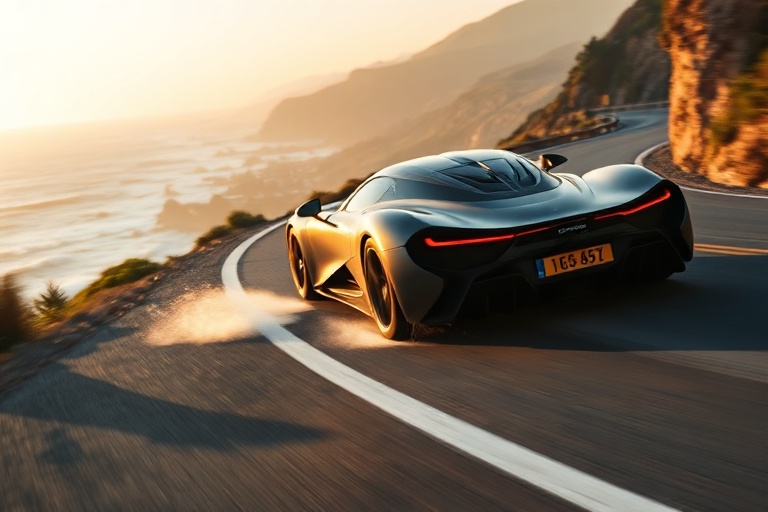
The hum of a V8 engine fills the air as a sleek hypercar accelerates down a runway. The camera cuts to a grinning host delivering dry British wit while a supercar fishtails around a corner. This is Top Gear, the television show that transformed automotive entertainment from niche hobby to mainstream spectacle.
Originally airing in 1977 as a motoring program on BBC Two, Top Gear has since evolved into a cultural phenomenon that transcends its British origins. With its mix of humor, high-octane action, and sharp critique, the show has cultivated a global following that spans continents and generations. From its humble beginnings in a cramped studio to its current iteration as a worldwide automotive juggernaut, Top Gear has redefined how audiences engage with cars and driving culture.
The Evolution of Top Gear: From Public Service to Pop Culture
When Top Gear first aired, it was a straightforward, presenter-driven show focused on road tests and automotive news. Early episodes featured hosts like William Woollard and later Jeremy Clarkson, who would become synonymous with the program’s later success. However, the show’s format was far from the spectacle it is today.
By the mid-1990s, Top Gear had undergone a dramatic transformation under the leadership of producer Andy Wilman and Clarkson. The revamped format introduced studio segments, celebrity interviews, and a more comedic approach. The iconic track segment, where cars were tested for speed and handling, became a staple. This iteration of the show set the stage for its eventual global expansion.
The show’s most significant evolution came in 2002 when it moved to a custom-built studio and test track in Dunsfold, Surrey. The new setting allowed for more ambitious stunts, including the famous power laps around the “Star in a Reasonably Priced Car” segment. This era also solidified the chemistry between Clarkson, Richard Hammond, and James May, whose banter and camaraderie became the show’s trademark.
The Global Appeal of Top Gear: Why It Resonates Worldwide
Top Gear’s international success can be attributed to several key factors. First, the show taps into a universal fascination with speed, power, and engineering. Cars represent freedom, status, and innovation, themes that resonate across cultures. Whether it’s the thrum of a motorcycle engine in Japan or the roar of a muscle car in America, the emotional connection to automobiles is undeniable.
The show’s humor is another universal appeal. The hosts’ witty banter and self-deprecating jokes create a relatable, almost familial dynamic with the audience. This approach makes complex automotive topics accessible to casual viewers while still entertaining enthusiasts. The blend of education and entertainment ensures that Top Gear appeals to a broad demographic.
Culturally, Top Gear has become a bridge between British eccentricity and global sensibilities. The show’s British roots shine through in its dry humor and understated sarcasm, yet its themes of adventure and exploration are universally understood. Whether it’s tackling the challenges of driving in Vietnam or testing the latest electric hypercar, Top Gear invites viewers to see the world through the lens of automotive adventure.
The Controversies and Challenges That Shaped Top Gear
No discussion of Top Gear
would be complete without addressing its controversies. The show has faced numerous scandals, from Jeremy Clarkson’s 2015 dismissal over a physical altercation with a producer to politically charged remarks that sparked backlash. These incidents have led to temporary hiatuses and shifts in the show’s lineup. Despite these challenges, Top Gear has demonstrated remarkable resilience. The BBC revamped the show with new hosts, including Chris Evans and later Matt LeBlanc, though ratings and reception were mixed. The program’s return to prominence came with its move to Amazon Prime Video in 2016, where Clarkson, Hammond, and May reunited for a new season. This shift allowed the show to operate with fewer restrictions and greater creative freedom. Controversies aside, Top Gear has also been praised for its progressive moments. The show has featured segments highlighting electric vehicles and sustainable motoring, reflecting a growing global consciousness. Its willingness to tackle social issues, such as gender representation in the automotive industry, has also earned it praise from some quarters. As Top Gear approaches its fifth decade, its future remains as dynamic as the cars it celebrates. The show continues to evolve with the automotive industry, embracing electric vehicles, autonomous driving, and new forms of mobility. Recent seasons have featured tests of hybrid hypercars and discussions about the role of cars in a rapidly changing world. The show’s legacy extends beyond television. Top Gear has spawned spin-offs, merchandise, and even video games, cementing its place in popular culture. It has also inspired a generation of automotive journalists and content creators who cite the show as a major influence. For many, Top Gear is more than just a program; it’s a rite of passage into the world of cars and motoring passion. Looking ahead, Top Gear faces the challenge of staying relevant in an era of streaming and digital content. With traditional television viewership declining, the show’s future may lie in its ability to adapt to new platforms and formats. Yet, if its history is any indication, Top Gear will continue to find ways to captivate audiences, whether through high-octane stunts or thought-provoking discussions about the future of driving. For those interested in exploring more about automotive culture and entertainment, check out our Entertainment category for related articles and features. Additionally, dive deeper into the history of motoring with our Sports section, where automotive events and competitions are highlighted. Top Gear is more than just a television show; it’s a cultural institution that has left an indelible mark on the world of automotive entertainment. From its British roots to its global reach, the program has captivated audiences with its blend of humor, adventure, and sheer driving excitement. Despite controversies and challenges, Top Gear has endured and thrived, proving that the allure of cars and the open road transcends borders and generations. As the automotive world continues to change, so too will Top Gear. Whether it’s through the roar of a combustion engine or the silent hum of an electric motor, the show will undoubtedly continue to inspire and entertain. For fans old and new, Top Gear remains a testament to the enduring power of automotive culture and the joy of driving.The Future of Top Gear: Innovation and Legacy
Key Takeaways from Top Gear’s Global Journey
Conclusion