Each year on May 15th, communities across the United States pause to reflect on the sacrifices made by law enforcement officers. Peace Officers Memorial Day is not just a date on the calendar; it is a solemn occasion dedicated to remembering those who have given their lives in the line of duty and supporting the families they left behind.
The Origins of Peace Officers Memorial Day
Peace Officers Memorial Day was established in 1962 when Congress requested that the President issue a proclamation designating May 15th as a day to honor law enforcement officers. The date was chosen to coincide with Police Week, a series of events held annually in Washington, D.C., where officers from across the country gather to pay their respects and participate in memorial services.
The day’s significance was further cemented by the Peace Officers Memorial Act of 1994, which directed the flag of the United States to be flown at half-staff on Peace Officers Memorial Day. This act ensured that the nation would visibly recognize the contributions and ultimate sacrifices of its peace officers. Today, the observance is marked by ceremonies, vigils, and tributes in cities and towns nationwide, uniting communities in gratitude and remembrance.
Why May 15th?
The selection of May 15th is rooted in historical ties to law enforcement. It was on this day in 1922 that the first fallen officer was officially recognized by the National Law Enforcement Officers Memorial Fund (NLEOMF). The choice of the date also aligns with the broader Police Week, which provides an opportunity for reflection, education, and advocacy for law enforcement professionals.
The Role of Memorial Services and Traditions
Memorial services for Peace Officers Memorial Day are deeply symbolic and often feature moments of silence, the reading of names, and the tolling of bells. One of the most moving traditions is the “Fallen Officer Bell Ceremony,” where a bell is rung once for each officer who died in the line of duty that year. The ceremony originated from a custom in the New York City Fire Department, where firefighters would ring a bell to honor their fallen comrades. Law enforcement agencies across the country have since adopted this practice as a tribute to their own.
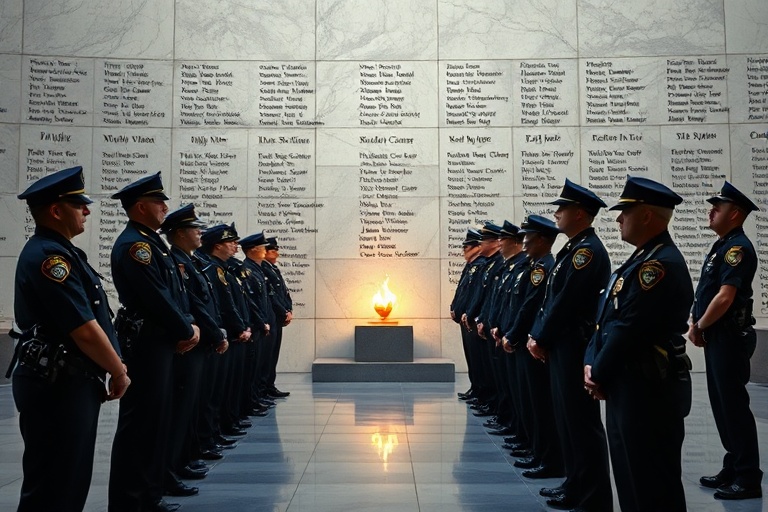
In Washington, D.C., the National Law Enforcement Officers Memorial, located in Judiciary Square, serves as the focal point for many of the week’s events. The memorial features the names of more than 22,000 officers who have died in the line of duty throughout U.S. history, etched into marble walls. During Police Week, the memorial hosts candlelight vigils, wreath-laying ceremonies, and the annual Candlelight Vigil, which draws thousands of attendees, including law enforcement officers, dignitaries, and families of the fallen.
A National Moment of Remembrance
At precisely 12:00 p.m. local time on Peace Officers Memorial Day, many communities observe a moment of silence. This act of remembrance is a small but powerful way to honor the officers who have made the ultimate sacrifice. Schools, businesses, and government buildings often participate, ensuring that the observance reaches every corner of the nation.
Supporting the Families of Fallen Officers
Behind every name etched into the National Law Enforcement Officers Memorial is a family left to grapple with loss. Peace Officers Memorial Day is also an opportunity to shine a light on the organizations and programs that provide support to these families. The National Law Enforcement Officers Memorial Fund, for example, offers financial assistance, scholarships for children of fallen officers, and grief counseling services.
One such program is the Concerns of Police Survivors (C.O.P.S.), a nonprofit organization that provides resources and emotional support to families of officers killed in the line of duty. C.O.P.S. organizes the National Police Survivors’ Conference, held annually during Police Week, where survivors can connect with one another and find solace in shared experiences. These efforts are critical in ensuring that the legacies of fallen officers are honored not just in memory, but through tangible support for their loved ones.
How Communities Can Participate
Participation in Peace Officers Memorial Day can take many forms, from attending local ceremonies to volunteering with organizations that support law enforcement families. Here are a few ways individuals and communities can get involved:
- Attend a Memorial Service: Local police departments, sheriff’s offices, and civic organizations often host vigils or ceremonies. Check your city’s event calendar to find an observance near you.
- Wear Blue: Show your support by wearing blue—the color of law enforcement—on May 15th. Many departments also sell blue ribbons or wristbands as symbols of remembrance.
- Donate or Volunteer: Organizations like the NLEOMF and C.O.P.S. rely on donations and volunteers to continue their work. Consider contributing to their efforts or offering your time.
- Educate Yourself and Others: Learn about the history of law enforcement in your community and the challenges officers face daily. Share this knowledge with friends and family to foster a deeper appreciation for their service.
- Observe the National Moment of Remembrance: Pause for a minute of silence at 12:00 p.m. local time to honor the fallen.
The Broader Impact on Law Enforcement Culture
Peace Officers Memorial Day is more than a day of remembrance; it is a reflection of the culture within law enforcement. The observance fosters a sense of unity among officers, reminding them that their service and sacrifices are recognized and valued. It also serves as a reminder of the dangers inherent in their profession—from violent confrontations to the long-term toll of stress and trauma.
For many officers, Police Week is a time of both grief and camaraderie. While they mourn the loss of their colleagues, they also come together to share stories, offer support, and reaffirm their commitment to public safety. This duality—honoring the past while looking toward the future—is a cornerstone of law enforcement culture.
Moreover, the day highlights the need for ongoing reforms and support systems within police departments. Advocacy groups often use Peace Officers Memorial Day as an opportunity to call for better mental health resources, improved training, and stronger community-police relations. These conversations are essential in ensuring that officers are equipped to serve safely and effectively.
A Call to Action Beyond May 15th
While Peace Officers Memorial Day is a designated time for remembrance, the principles it represents—gratitude, respect, and support—should extend throughout the year. Communities can continue to honor officers by fostering positive relationships with local law enforcement, advocating for fair policies, and recognizing the everyday acts of bravery and service that often go unnoticed.
For those interested in learning more about law enforcement history and the challenges officers face, resources like the Dave’s Locker News section provide in-depth coverage of relevant topics. Additionally, the Dave’s Locker Analysis category offers thoughtful perspectives on societal issues that intersect with law enforcement.
Conclusion: A Nation’s Gratitude
Peace Officers Memorial Day is a poignant reminder of the courage, dedication, and sacrifice that define law enforcement. It is a day to honor those who have paid the ultimate price while serving and protecting their communities, as well as to support the families who carry on their legacies. By participating in observances, educating ourselves, and advocating for positive change, we can ensure that the memory of fallen officers endures.
As we reflect on the meaning of this day, let us also commit to fostering a culture of respect and support for law enforcement officers year-round. Their service is invaluable, and their sacrifices deserve our deepest gratitude.