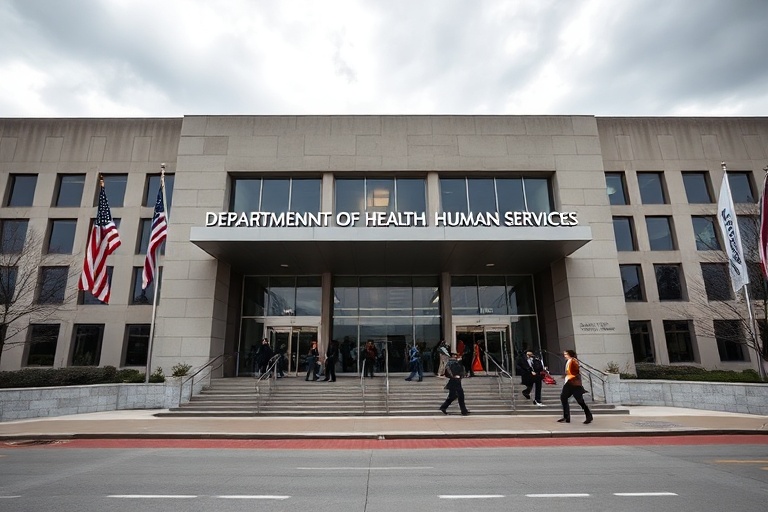
united states department of health and human services
The United States Department of Health and Human Services (HHS) stands as one of the most influential federal agencies in the nation, overseeing a vast array of programs that touch nearly every American’s life. From healthcare reform to disease prevention, from food safety to child welfare, the HHS operates as a vast machinery of public service, often operating behind the scenes but with profound implications for public health and social welfare. Its reach extends from the cradle to the grave, shaping policies that influence everything from prenatal care to end-of-life services.
Established in 1980 through the merger of several existing health agencies, the HHS has grown into a cabinet-level department with a budget exceeding $1 trillion annually. This makes it one of the largest federal departments by expenditure, second only to the Department of Defense. Its mission—“to enhance and protect the health and well-being of all Americans”—is both broad and ambitious, reflecting the complexity of modern public health challenges. To understand its role, one must look beyond the bureaucratic structure and examine how its policies ripple through society, affecting individuals, communities, and the nation as a whole.
The Structure and Leadership of HHS
The Department of Health and Human Services is organized into 11 operating divisions, each with a specific focus but all working toward the broader mission of public health and human services. At the top of the hierarchy sits the Secretary of Health and Human Services, a cabinet member appointed by the President and confirmed by the Senate. This position carries immense responsibility, as the Secretary oversees the implementation of federal health policy, manages a sprawling budget, and serves as the public face of the department during health crises.
Below the Secretary, several key offices and agencies play critical roles:
- Centers for Medicare & Medicaid Services (CMS): Administers the two largest federal healthcare programs—Medicare and Medicaid—which together provide health coverage to over 140 million Americans. The CMS also sets standards for healthcare quality and regulates the health insurance marketplace.
- National Institutes of Health (NIH): The world’s largest biomedical research agency, funding groundbreaking studies that have led to vaccines, cancer treatments, and medical breakthroughs. The NIH’s 27 institutes and centers focus on everything from Alzheimer’s disease to infectious diseases.
- Food and Drug Administration (FDA): Ensures the safety of food, drugs, medical devices, and cosmetics sold in the United States. The FDA’s regulatory role is often controversial, balancing innovation with public safety, as seen in its oversight of COVID-19 vaccines.
- Centers for Disease Control and Prevention (CDC): Serves as the nation’s leading public health agency, tracking disease outbreaks, providing health guidelines, and responding to emergencies like pandemics or natural disasters. The CDC’s role became particularly visible during the COVID-19 pandemic.
- Health Resources and Services Administration (HRSA): Focuses on expanding access to healthcare for underserved populations, including rural communities, low-income families, and individuals with HIV/AIDS. It also oversees the nation’s organ transplant system.
- Substance Abuse and Mental Health Services Administration (SAMHSA): Addresses the growing crisis of addiction and mental health disorders, funding treatment programs and suicide prevention initiatives. Its work has gained urgency amid the opioid epidemic.
The HHS also includes agencies focused on children’s health, such as the Administration for Children and Families (ACF), which administers programs like Head Start and Temporary Assistance for Needy Families (TANF). This diversity of functions reflects the department’s broad mandate but also presents challenges in coordination and prioritization.
Key Programs and Their Broader Impact
Beyond its organizational structure, the HHS’s most tangible impact comes through its programs—some of which have become cornerstones of American social policy. A closer look at these initiatives reveals how the department shapes daily life, often in ways that go unnoticed until they are threatened or expanded.
One of the most consequential programs under HHS is Medicare, which provides health coverage to Americans aged 65 and older, as well as to some younger people with disabilities. Since its creation in 1965, Medicare has reduced poverty among the elderly and improved access to medical care, though it remains a subject of debate over costs and sustainability. The program’s size and scope make it a bellwether for broader healthcare policy discussions, influencing everything from drug pricing to hospital reimbursement rates.
Medicaid, another HHS-administered program, offers health coverage to low-income individuals and families. Unlike Medicare, which is uniform nationwide, Medicaid is jointly funded by the federal government and states, leading to significant variation in eligibility and benefits across the country. The expansion of Medicaid under the Affordable Care Act (ACA) remains one of the most contentious political issues of the past decade, with states divided on whether to adopt it. The program’s role in responding to the opioid crisis and the COVID-19 pandemic has further highlighted its importance in the social safety net.
Beyond healthcare, the HHS plays a pivotal role in responding to public health emergencies. The CDC’s leadership during the COVID-19 pandemic underscored the department’s capacity to mobilize resources quickly, though it also exposed vulnerabilities in data collection and communication. Similarly, the FDA’s rapid evaluation and approval of COVID-19 vaccines demonstrated its ability to adapt to urgent needs, though it also faced criticism over transparency and speed.
The HHS’s influence extends into areas that may surprise the average American. For example, the Administration for Community Living (ACL) supports programs that help older adults and people with disabilities live independently, while the Indian Health Service (IHS) provides healthcare to 2.6 million Native Americans across 35 states. These programs illustrate the department’s role as both a provider of direct services and a coordinator of complex, cross-agency initiatives.
Controversies and Challenges
No federal agency of the HHS’s size and scope operates without controversy. Its work often intersects with deeply political issues, from abortion rights to vaccine mandates, placing it at the center of national debates. One of the most persistent challenges is balancing individual freedoms with public health imperatives. For instance, the CDC’s guidelines during the COVID-19 pandemic—such as mask mandates and social distancing—sparked widespread debate over the government’s role in personal decision-making.
The HHS has also faced criticism over its handling of healthcare disparities. Despite its mission to enhance health and well-being, the department has been accused of perpetuating inequities, particularly in communities of color. The COVID-19 pandemic laid bare these disparities, as Black and Hispanic Americans experienced higher rates of infection and death. Critics argue that the HHS’s policies have not done enough to address the systemic factors—such as access to care and socioeconomic conditions—that drive these inequities.
Another area of contention is the department’s role in regulating industries that prioritize profit over public health. The FDA’s approval process for drugs and medical devices, for example, has been criticized for being too slow in some cases and too hasty in others. Similarly, the CDC’s data collection methods have been faulted for being inconsistent or incomplete, particularly during the early stages of the COVID-19 pandemic. These challenges highlight the difficulty of navigating a system where science, politics, and economics often collide.
Budget constraints also pose a significant hurdle. While the HHS’s annual budget is massive, it must allocate resources across competing priorities. The NIH, for instance, receives only a fraction of the funding needed to fully support its research mission, leading to a reliance on private partnerships and philanthropic donations. Meanwhile, programs like Medicaid face constant pressure to reduce costs, even as demand for services continues to grow. These financial constraints force difficult trade-offs, often leaving vulnerable populations with fewer resources.
The Future of HHS: What Lies Ahead?
Looking ahead, the Department of Health and Human Services faces a landscape shaped by aging populations, rising healthcare costs, and evolving public health threats. The COVID-19 pandemic has demonstrated both the strengths and weaknesses of the department’s emergency response capabilities, leaving policymakers to question how to better prepare for future crises. One potential area of reform is improving data infrastructure, as the pandemic revealed gaps in tracking and sharing critical health information.
The HHS is also likely to play a central role in addressing the mental health crisis gripping the nation. The SAMHSA has seen increased funding in recent years, but experts argue that more must be done to expand access to treatment and reduce stigma. Similarly, the department’s work on substance abuse—particularly the opioid epidemic—will remain a priority, with ongoing efforts to expand access to naloxone, a medication that reverses opioid overdoses.
Another critical challenge is adapting to the changing nature of healthcare delivery. The rise of telemedicine, driven in part by the pandemic, has transformed how Americans access care, but it has also raised questions about equity and regulation. The HHS will need to strike a balance between fostering innovation and ensuring that new technologies do not exacerbate existing disparities.
As the nation grapples with these issues, the HHS will continue to be a focal point for debate over the role of government in health and welfare. Its policies will shape not only the health outcomes of individuals but also the broader social and economic fabric of the country. Whether through expanding healthcare access, regulating industries, or responding to crises, the department’s work will remain indispensable in the years to come.
For those interested in exploring further, the Health section of Dave’s Locker offers in-depth coverage of public health issues, policy debates, and the latest developments in healthcare. Whether you’re a healthcare professional, a policymaker, or simply someone who wants to understand the systems that affect your health, staying informed about the HHS is essential.
Key Takeaways
- The HHS is one of the largest federal departments, with a budget exceeding $1 trillion and a mission to enhance public health and human services.
- Its 11 operating divisions cover everything from healthcare (CMS, NIH, FDA) to disease prevention (CDC) and social services (ACF).
- Programs like Medicare, Medicaid, and the NIH have had profound impacts on American life, shaping healthcare access and research.
- The department faces ongoing challenges, including political controversies, healthcare disparities, and budget constraints.
- Future priorities may include improving emergency response, addressing mental health and substance abuse, and adapting to telemedicine