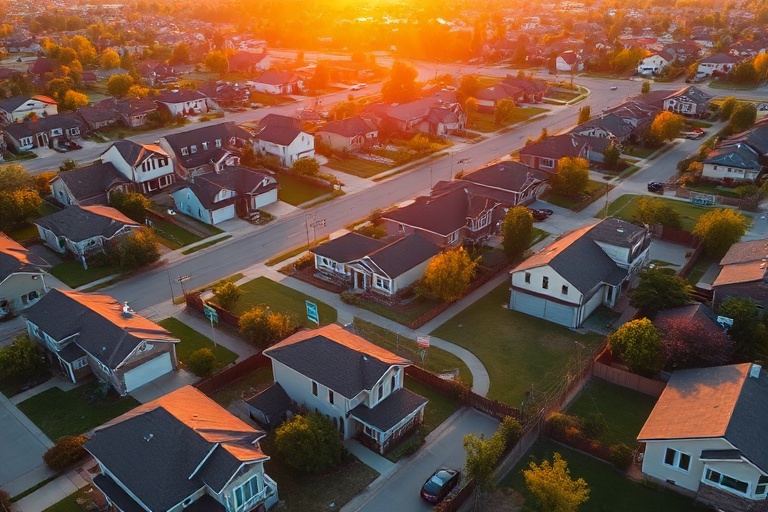
Why Global Home Prices Are Rising, Falling, and Everything in Between
Global Home Prices: A Patchwork of Growth, Stagnation, and Crisis
The trajectory of home prices across the world has become one of the most closely watched economic indicators of the past decade. While some markets soar to new heights, others face stagnation or even decline, creating a complex mosaic shaped by local economies, government policies, and global trends. The pandemic accelerated shifts already underway, revealing how housing markets can diverge dramatically even within neighboring countries.
Understanding these patterns requires looking beyond national averages. Urban centers often defy broader trends, while rural areas grapple with different pressures. Cultural attitudes toward homeownership, rental markets, and inheritance laws further complicate the picture. What emerges is not a single story, but a collection of regional narratives that together define the global housing landscape.
The Booming Cities: Where Prices Keep Climbing
In major metropolitan areas across North America, Europe, and parts of Asia, home prices have continued their upward trajectory. Cities like Toronto, Sydney, and Munich have seen double-digit annual increases in recent years, driven by limited supply, high demand, and foreign investment. Even after interest rate hikes in many countries, these urban cores remain magnets for both domestic buyers and international wealth.
In the United States, the median home price reached $420,000 in 2023, nearly double what it was a decade ago. Coastal cities and tech hubs like San Francisco and Seattle have led the charge, but even secondary markets such as Austin and Nashville have experienced rapid appreciation. Meanwhile, in Asia, cities like Tokyo and Seoul have seen steady growth, though at a slower pace than their Western counterparts.
What unites these markets is not just economic strength, but also the role of urbanization. As more people move to cities for work and lifestyle opportunities, the demand for housing in prime locations outstrips supply. Construction costs, zoning restrictions, and NIMBY (“Not In My Backyard”) opposition further constrain development, pushing prices higher.
The Stagnant and Declining Markets: A Tale of Two Stories
Not all markets are thriving. In parts of Europe, particularly in Eastern and Southern regions, home prices have stagnated or even fallen. Countries like Italy and Greece, still recovering from economic crises, struggle with weak demand and an oversupply of properties in less desirable areas. In some cases, entire villages stand empty as younger generations migrate to cities or abroad.
China presents a unique case. After years of explosive growth, the country’s housing market has begun to cool. Government crackdowns on speculative buying, coupled with a slowing economy, have led to price declines in major cities like Shanghai and Beijing. The crisis has exposed vulnerabilities in China’s real estate sector, which accounts for a significant portion of the country’s GDP. Developers face liquidity issues, and buyers grow hesitant in a market where trust in future price appreciation is waning.
Even in traditionally strong markets like Canada, affordability has become a growing concern. While Vancouver and Toronto remain expensive, smaller cities and rural areas have seen price drops as remote work trends ease pressure on demand. The result is a bifurcated market where urban centers remain out of reach for many, while peripheral regions struggle to maintain value.
The Role of Policy: How Governments Shape Home Prices
Government intervention plays a pivotal role in shaping home prices, often with unintended consequences. In some cases, policies aimed at cooling markets have backfired. For example, New Zealand’s ban on foreign buyers in 2018 did little to curb prices in Auckland, where domestic demand remained robust. Similarly, Australia’s tax policies have done little to slow the rise of Sydney and Melbourne.
In other instances, governments have successfully curbed speculation. Singapore’s Additional Buyer’s Stamp Duty (ABSD) has helped dampen demand from investors, though it has also made homeownership more difficult for locals. In Europe, countries like Germany and Switzerland have implemented strict rent controls and tenant protections, which have kept prices relatively stable but at the cost of reduced housing availability.
Cultural attitudes toward homeownership also influence policy. In countries like Germany and Japan, renting is a long-term norm, which reduces pressure on the sales market. In contrast, nations like Spain and Italy place a high cultural value on property ownership, driving demand even in areas with weak economic fundamentals. These differences highlight how housing policy cannot be divorced from societal values.
The Rental Alternative: A Growing Segment
As homeownership becomes increasingly unattainable for many, the rental market has expanded rapidly. In cities like Berlin and Barcelona, rental prices have surged as demand outstrips supply. The rise of short-term rentals, facilitated by platforms like Airbnb, has further tightened long-term housing availability in tourist-heavy areas.
In some markets, institutional investors have entered the rental sector, buying up properties to lease them out. While this can increase supply, it also raises concerns about the corporatization of housing and the erosion of community stability. Countries like Sweden and Denmark have responded with stricter regulations on large-scale landlords to protect tenants.
The shift toward renting is particularly pronounced among younger generations. In the United States, the homeownership rate for adults under 35 has declined from 43% in 2000 to 37% in 2023. Similar trends are visible in the UK, Australia, and Canada. This generational divide underscores broader economic challenges, including stagnant wages and student debt burdens.
Looking Ahead: What’s Next for Global Home Prices?
The future of home prices will likely be shaped by three key factors: interest rates, migration patterns, and climate change. Central banks’ decisions on monetary policy will continue to influence affordability, particularly in markets where variable-rate mortgages dominate. As rates stabilize, some overheated markets may cool, while others could rebound.
Migration, both domestic and international, will also play a role. The pandemic accelerated remote work trends, allowing some buyers to leave expensive cities for more affordable regions. However, as offices reopen and hybrid work models solidify, the long-term impact on urban housing demand remains uncertain. Meanwhile, climate change is beginning to reshape markets, with flood-prone areas seeing declining property values and resilient regions attracting new investment.
One thing is clear: the era of universally rising home prices is over. Instead, we are entering a phase where divergence will define the market. Buyers, sellers, and policymakers will need to navigate this patchwork landscape with greater nuance, recognizing that solutions must be tailored to local conditions rather than relying on global trends.
For those interested in deeper analysis, our Finance section offers regular updates on economic indicators, while our News feed tracks policy changes and market shifts in real time.
Key Takeaways
- Home prices are diverging globally, with urban centers often defying broader national trends.
- Government policies, cultural attitudes, and economic factors all play a role in shaping markets.
- The rental market is expanding as homeownership becomes less accessible for younger generations.
- Future trends will depend on interest rates, migration patterns, and climate-related risks.
The housing market is no longer a monolith, but a mosaic of local realities. Understanding these nuances is essential for anyone navigating the complexities of buying, selling, or investing in property today.