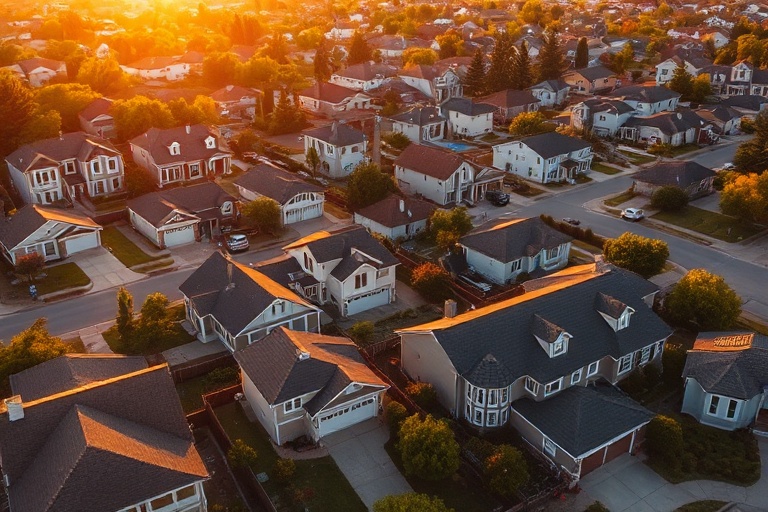
Why U.S. Home Prices Keep Rising Despite High Rates
Home Prices Reach New Highs Across the U.S.
The median home price in the United States climbed to $420,800 in June 2024, according to the National Association of Realtors. This marks a 4.1% increase from the same period last year and continues a steady upward trend that has persisted for over a decade. High demand, limited inventory, and rising construction costs have all contributed to the sustained price growth, leaving many prospective buyers priced out of the market.
Regional disparities remain stark. The West leads with a median price of $598,000, while the Midwest lags at $322,000. Urban centers like San Francisco and New York City see prices soaring well above $1 million, whereas smaller cities and rural areas offer more affordable options. These differences highlight the uneven recovery and growth patterns across the country.
The Role of Mortgage Rates in Home Prices
Mortgage rates play a critical role in shaping home prices. When rates rise, as they did in 2022 and 2023, buyers face higher monthly payments, which can dampen demand and slow price growth. However, even with elevated rates, prices have remained resilient due to the persistent shortage of available homes. The Federal Reserve’s efforts to control inflation have kept rates elevated, further complicating affordability for many.
For example, a 30-year fixed mortgage rate of 6.75% in mid-2024 means a buyer purchasing a median-priced home would pay approximately $2,700 per month in principal and interest. This is a significant jump from the $1,800 monthly payment just two years ago at a 3.5% rate. The higher cost of borrowing has pushed some buyers to the sidelines, reducing competition in certain markets but not enough to trigger a price correction.
Inventory Shortages Keep Pressure on Prices
The U.S. housing market has been grappling with a severe shortage of homes for sale. A combination of factors, including underbuilding after the 2008 financial crisis, increased homeowner reluctance to sell in a high-rate environment, and zoning restrictions in many cities, has kept supply tight. The current inventory stands at just 3.5 months’ supply, well below the six months typically considered a balanced market.
Builders have responded by increasing construction, but labor shortages, high material costs, and regulatory hurdles have slowed progress. According to the U.S. Census Bureau, new housing starts fell by 3.7% in May 2024 compared to the previous month. This lack of new supply continues to prop up prices, as demand from millennials entering their peak homebuying years remains strong.
First-time buyers face particular challenges. Many are competing with cash-rich investors and existing homeowners who can afford to upgrade without selling. Programs designed to assist first-time buyers, such as FHA loans, have become increasingly popular, but they often come with higher interest rates and stricter qualification requirements.
Regional Spotlight: Where Prices Are Rising (and Falling)
While the national trend is upward, some markets are experiencing more dramatic changes. In Austin, Texas, home prices surged by 8.5% over the past year, driven by an influx of remote workers and tech industry expansion. Meanwhile, cities like San Francisco and Seattle have seen slower growth, with prices rising only 1.2% and 1.5%, respectively, as high taxes and cost of living drive some residents to more affordable areas.
On the other end of the spectrum, markets like Chicago and Detroit have seen modest price declines. In Chicago, prices fell by 0.7% year-over-year, while Detroit experienced a 1.3% drop. These declines are partly due to population outflows and economic challenges in the manufacturing sector. However, even in these markets, prices remain significantly higher than they were pre-pandemic.
For buyers looking to enter the market, smaller cities and suburbs are becoming increasingly attractive. Places like Boise, Idaho, and Raleigh, North Carolina, have seen double-digit price growth as buyers seek more affordable alternatives to high-cost coastal cities. These areas offer a mix of job opportunities, quality of life, and relative affordability, though prices are beginning to rise as demand increases.
What’s Next for Home Prices?
The future of home prices will largely depend on several key factors: mortgage rates, inventory levels, and economic conditions. If the Federal Reserve begins cutting rates later in 2024, as many economists predict, affordability could improve slightly, potentially boosting buyer activity. However, any rate cuts may also encourage more sellers to list their homes, which could help balance the market.
Another critical factor is the presidential election. Historically, election years have seen increased volatility in the housing market, as buyers and sellers weigh potential policy changes. For example, proposals related to tax incentives for first-time buyers or zoning reforms could have significant impacts. However, the market’s underlying supply-demand imbalance suggests that prices are likely to remain elevated regardless of election outcomes.
For now, prospective buyers may need to adjust their expectations. Renting for longer periods, exploring alternative financing options, or considering less competitive markets could be necessary strategies. Sellers, on the other hand, are likely to continue benefiting from high prices, though they may face longer listing times if demand softens.
One potential wild card is the increasing role of institutional investors in the housing market. Firms like Blackstone and Invitation Homes have amassed large portfolios of single-family homes, often outbidding individual buyers. This trend has raised concerns about housing affordability and the long-term impact on communities. Policymakers are beginning to take notice, with some cities exploring measures to limit investor purchases.
Tips for Navigating a Competitive Market
For those looking to buy a home in today’s market, preparation is key. Here are a few strategies to consider:
- Get pre-approved early: With high mortgage rates, knowing your exact budget can give you an edge in negotiations.
- Be flexible with location: Expanding your search to nearby suburbs or smaller cities can open up more options at lower prices.
- Consider alternative financing: FHA loans, VA loans, or adjustable-rate mortgages (ARMs) may offer lower initial payments, though they come with risks.
- Work with a local agent: A knowledgeable real estate agent can help you navigate competitive listings and identify off-market opportunities.
- Be ready to act fast: In hot markets, desirable homes often receive multiple offers within days of listing.
Sellers should also take note of shifting dynamics. While high prices are advantageous, overpricing can lead to longer listing times. Working with an agent to price competitively and stage the home effectively can make a significant difference in attracting buyers.
Conclusion: A Market in Transition
The U.S. housing market remains a study in contrasts. On one hand, high prices and mortgage rates have created affordability challenges for many. On the other, strong demand and limited supply continue to drive price growth. The market is not in crisis, but it is undeniably out of balance, with no immediate signs of relief for buyers.
For now, patience and adaptability are essential. Whether you’re a buyer, seller, or investor, understanding the forces shaping home prices will be critical to making informed decisions. As the year progresses, all eyes will be on mortgage rates, inventory levels, and economic conditions to see how the market evolves.
Those looking for insights into specific markets or financing options can explore more details on Dave’s Locker Finance or Trending sections for updated analysis and trends.