York Races: A Historic Sporting Tradition Still Thriving Today
York Races, one of the oldest and most prestigious horse racing meetings in England, has been a cornerstone of British sporting culture for nearly two centuries. The racecourse, nestled in the heart of York’s Knavesmire, has evolved from a modest 18th-century gathering into a world-class sporting venue that draws thousands of spectators annually. Its rich history and enduring appeal make it a fascinating case study in how tradition and modernity can coexist in sports.
The Origins and Evolution of York Races
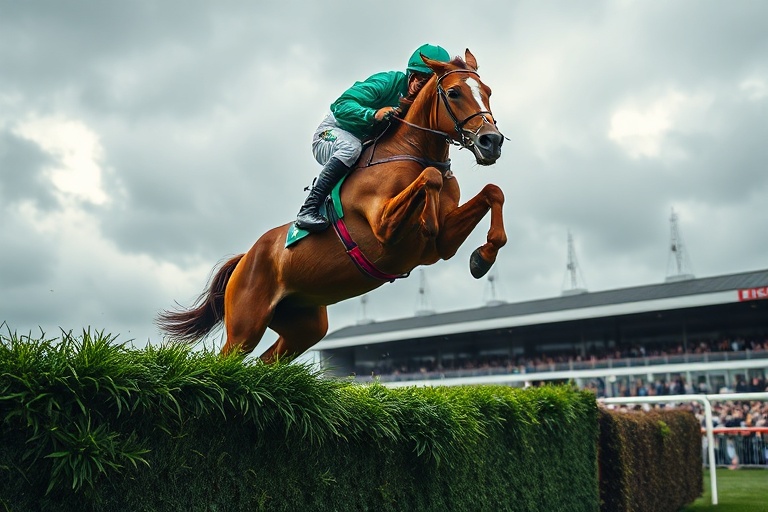
The first recorded race meeting at York took place in 1731, though the Knavesmire track itself had been used for horse racing since at least the 16th century. By the mid-18th century, York Races had gained enough prominence to attract the attention of royalty, including King George II, who attended in 1754. The course’s flat, wide expanse made it an ideal venue for both flat racing and steeplechasing, solidifying its reputation as a versatile track.
York Races’ significance grew in the 19th century as horse racing became increasingly formalized. The introduction of the Ebor Handicap in 1843—a race that would later become one of the most prestigious events in the British racing calendar—marked a turning point. The Ebor Festival, now held annually in August, has since become synonymous with high-stakes competition and social prestige, attracting some of the finest horses, jockeys, and trainers in the world.
A Showcase of Sporting Excellence
York Races is not just a single event but a series of meetings that punctuate the British racing season. The most notable of these is the Ebor Festival, which spans four days and features 15 races, including Group 1 contests such as the Juddmonte International and the Yorkshire Oaks. These races offer substantial prize money and ranking points, making them critical stops on the path to elite racing honors like the Prix de l’Arc de Triomphe and the Breeders’ Cup.
The festival’s prestige is reflected in its ability to attract top-tier competitors. In recent years, horses like Enable, Stradivarius, and Adayar have graced the Knavesmire, cementing York’s status as a proving ground for champions. The course’s unique characteristics—its galloping tracks, undulating terrain, and unpredictable weather—challenge both horses and riders, ensuring that only the best emerge victorious.
The Social and Economic Impact
Beyond its sporting significance, York Races plays a vital role in the local and national economy. The Ebor Festival alone generates tens of millions of pounds annually, benefiting hotels, restaurants, and businesses across York. The racecourse itself employs hundreds of staff year-round, while the influx of visitors supports a wide range of industries, from hospitality to retail.
The event also serves as a cultural touchstone, drawing visitors from across the UK and beyond. Its blend of high-stakes racing, fashion, and socializing creates an atmosphere that is both exclusive and inclusive. The Knavesmire’s open spaces and grandstands provide a backdrop for spectators to enjoy the spectacle, whether they’re seasoned racing enthusiasts or first-time attendees.
A Balancing Act: Tradition Meets Innovation
York Races has managed to preserve its historic charm while embracing modernity. The racecourse has undergone numerous upgrades over the years, including the introduction of state-of-the-art facilities and sustainable practices. For example, the course has implemented measures to reduce its carbon footprint, such as energy-efficient lighting and waste recycling programs. These efforts reflect a broader trend in sports to balance tradition with environmental responsibility.
The rise of digital technology has also transformed how fans engage with York Races. Live streaming, mobile betting apps, and social media have made the event more accessible than ever. Fans who can’t attend in person can follow the action in real-time, while online platforms offer new ways to interact with the sport. This digital expansion has helped York Races reach a younger, more diverse audience, ensuring its continued relevance in an increasingly globalized world.
Why York Races Matters in the Broader Context
York Races is more than just a sporting event—it is a living testament to the endurance of tradition in a rapidly changing world. Its ability to adapt while maintaining its core identity offers valuable lessons for other historic institutions. In an era where many traditions struggle to survive, York Races demonstrates how heritage and innovation can coexist.
The event also highlights the broader challenges and opportunities facing horse racing as a sport. Declining attendance at some racecourses and debates over animal welfare have raised questions about the future of the industry. York Races, however, has managed to navigate these issues by emphasizing its unique appeal—its history, its community, and its role as a platform for world-class competition.
For enthusiasts and casual observers alike, York Races represents the pinnacle of British horse racing. Its blend of history, excitement, and social significance makes it a must-see event on the sporting calendar. As the sport continues to evolve, York Races stands as a reminder of what makes horse racing so enduring: its ability to bring people together, celebrate excellence, and create memories that last a lifetime.
Key Takeaways About York Races
- Historic Roots: York Races dates back to 1731, with the Knavesmire track being used for racing even earlier. Its long-standing tradition is a cornerstone of British sporting culture.
- Prestige Events: The Ebor Festival is the highlight of the racing calendar, featuring Group 1 races like the Juddmonte International and Yorkshire Oaks, which attract top horses and jockeys.
- Economic Impact: The event generates millions for the local economy, supporting businesses and employment in York while drawing visitors from across the UK.
- Cultural Significance: York Races blends high-stakes competition with social prestige, offering a unique atmosphere that appeals to both racing enthusiasts and casual spectators.
- Modern Adaptations: The racecourse has embraced sustainability and digital technology, ensuring its continued relevance in a changing world.
For those looking to dive deeper into the world of horse racing and its cultural impact, explore our Sports and Entertainment sections on Dave’s Locker. Whether you’re interested in the history of the sport or its modern-day evolution, these categories offer a wealth of insights.
A Final Thought
York Races is a testament to the enduring appeal of tradition in sports. Its ability to evolve while preserving its historic charm ensures its place in the hearts of racing fans for generations to come. As the sport faces new challenges, events like York Races remind us why horse racing remains one of the most beloved and prestigious disciplines in the world.