zhongnanhai
Zhongnanhai: The Forbidden City Within a Forbidden City
Nestled in the heart of Beijing, Zhongnanhai is more than just a political epicenter—it is a historical symbol, a cultural relic, and a place shrouded in layers of secrecy. While the name may not resonate globally like the Forbidden City, its influence stretches far beyond China’s borders. This walled compound, once home to imperial gardens, now serves as the nerve center of the Chinese Communist Party (CCP), housing the offices of the president, premier, and other top leaders.
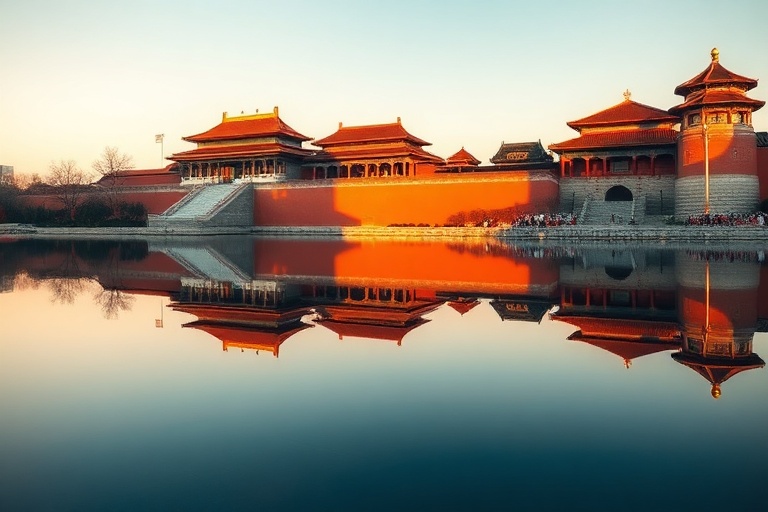
The name itself translates to “Central and South Lakes,” a nod to the two artificial bodies of water that dominate the landscape. These lakes, separated by the imposing walls of the palace complex, have witnessed centuries of power shifts—from Ming Dynasty emperors to modern-day technocrats. Today, Zhongnanhai stands as a physical embodiment of China’s centralized authority, a place where decisions shaping 1.4 billion lives are made behind guarded gates and high walls.
The Historical Layers of Zhongnanhai
Zhongnanhai’s origins trace back to the 12th century, when it was developed as an imperial retreat during the Jin Dynasty. Over time, it evolved under the Ming and Qing dynasties into a lavish garden retreat for emperors seeking respite from the rigid confines of the Forbidden City. The lakes, designed for recreation and contemplation, were flanked by pavilions, temples, and manicured landscapes—each element carefully curated to reflect harmony and power.
When the Qing Dynasty collapsed in 1911, Zhongnanhai briefly became part of the new Republic of China’s government. However, its transformation into a political stronghold began in earnest after 1949, when the CCP established the People’s Republic of China. Mao Zedong, recognizing its symbolic value, moved into the former palace grounds, setting the stage for Zhongnanhai to become the new seat of power. The lakes, once private retreats for emperors, now mirrored the ambitions of a revolutionary state.
Architecturally, Zhongnanhai blends traditional Chinese aesthetics with Soviet-era influences. The buildings, characterized by grey-tiled roofs and red-lacquered pillars, evoke imperial grandeur while reflecting the utilitarian style favored by mid-20th-century communism. This fusion underscores Zhongnanhai’s dual role: a bastion of tradition and a laboratory for modernity.
Zhongnanhai in the Global Imagination
Despite its restricted access, Zhongnanhai has seeped into global consciousness through diplomacy, espionage, and pop culture. Foreign leaders visiting Beijing often tour the compound’s outer gardens, a gesture of symbolic engagement with China’s leadership. Meanwhile, intelligence agencies and journalists have long speculated about the closed-door meetings held within its halls—discussions that shape global trade, security, and climate policy.
In literature and film, Zhongnanhai frequently appears as a stand-in for power’s opacity. Works like Wolf Warrior II, a blockbuster Chinese action film, feature fictionalized versions of the compound to emphasize national resilience. Internationally, novels such as The Palace of Heavenly Purity by Pearl S. Buck’s descendants explore its imperial past, drawing parallels between historical and contemporary power structures.
For scholars of geopolitics, Zhongnanhai is a case study in how architecture reinforces authority. Its design—concentric walls, guarded gates, and serene lakes—mirrors the layered secrecy of China’s decision-making process. Unlike the transparent institutions of Western democracies, Zhongnanhai’s layout visually communicates hierarchy and control.
The Cultural Significance of Zhongnanhai
Beyond politics, Zhongnanhai holds deep cultural meaning for the Chinese people. The lakes, particularly Beihai (North Lake), are celebrated in poetry and folklore as places of inspiration and tranquility. The area’s gardens, including the famed “Five Dragon Pavilions,” have inspired artists for generations, appearing in scroll paintings and classical texts.
However, Zhongnanhai’s cultural legacy is not without controversy. During the Cultural Revolution, the compound became a target for Red Guard factions, who saw its imperial aesthetics as symbols of oppression. Today, while officially celebrated as a heritage site, access remains tightly controlled, reinforcing its mystique.
The compound also reflects China’s evolving relationship with its past. Restoration efforts have preserved historic structures, but modern security measures—barbed wire, surveillance cameras, and armed guards—highlight the tension between tradition and control. This duality is evident in how Zhongnanhai is portrayed in state media: both as a sacred space of continuity and a fortress of unyielding governance.
Visiting Zhongnanhai: A Glimpse Behind the Gates
Public access to Zhongnanhai is almost nonexistent. Tourists can view the outer walls from nearby streets or glimpse parts of the gardens during rare open-house events. The most famous exception is a small section of the former imperial gardens, now part of Beihai Park, which offers a sanitized taste of Zhongnanhai’s aesthetic.
For those unable to enter, virtual tours and documentaries provide fragmented insights. The Chinese government occasionally releases carefully curated footage of meetings or events, but the inner workings remain obscured. This opacity fuels global fascination—and frustration—especially among analysts trying to decode China’s political future.
Visitors who catch a glimpse of the compound’s red walls and grey roofs often remark on its eerie calm. Unlike the bustling streets of Beijing just beyond the gates, Zhongnanhai exudes an air of deliberate stillness. It is a place designed to project permanence, even as the world around it changes rapidly.
The Future of Zhongnanhai in a Changing World
As China’s global influence grows, so too does the scrutiny of Zhongnanhai. The compound’s role in shaping everything from the Belt and Road Initiative to artificial intelligence policy makes it a focal point for international observers. Yet, its secrecy remains a defining feature—one that challenges diplomats, journalists, and historians alike.
Some analysts argue that Zhongnanhai’s insularity could become a liability in an era demanding transparency. Others see it as a necessary shield against foreign interference. Either way, the compound’s future is inextricably linked to China’s own evolution—whether as a relic of old power structures or a laboratory for the new.
What is certain is that Zhongnanhai will continue to fascinate. In a world where power is increasingly decentralized, this walled garden of lakes and pavilions endures as a potent reminder of how history and authority intertwine.