Apple Card: How Apple Redefined Credit Cards Globally
Apple Card: The Digital Wallet That Redefined Credit Cards
When Apple launched its credit card in 2019, it wasn’t just another financial product hitting the market. Apple Card arrived as a statement—a sleek, titanium-backed digital-first card that merged Apple’s design philosophy with Goldman Sachs’ financial infrastructure. While many credit cards focus on rewards or fees, Apple Card positioned itself as a seamless extension of the iPhone, prioritizing transparency, privacy, and user experience.
Its global reception varied. In the United States, where Apple has a massive user base, it quickly gained traction among tech-savvy consumers. But beyond North America, adoption has been slower, influenced by regional banking regulations, consumer habits, and competition from local digital payment systems. The card’s journey offers insights into how a tech giant can disrupt traditional finance—and where it still faces hurdles.
The Design and Experience: More Than Just Plastic
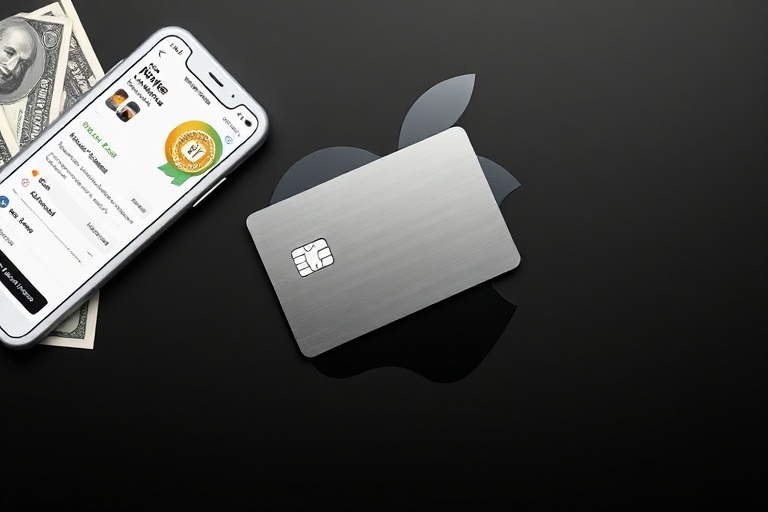
Apple Card’s most striking feature isn’t financial—it’s aesthetic. The card is made of brushed titanium, a material rarely used in credit cards, giving it a premium feel that aligns with Apple’s brand. Unlike traditional cards with raised numbers, Apple Card’s details are laser-etched, making them resistant to wear and tear. Even its packaging reflects Apple’s minimalist design ethos: it ships in a white box with no visible branding, opening like a luxury product.
The physical card, however, is just one part of the experience. The real innovation lies in how it integrates with the iPhone. Through the Wallet app, users can track spending in real time, categorize transactions automatically, and receive daily cash-back notifications. No more waiting for a monthly statement. The app even provides a color-coded breakdown of expenses, making budgeting intuitive.
For merchants, Apple Card supports contactless payments via Apple Pay, reducing the need for physical swipes. In countries like Japan and South Korea, where contactless payments are already dominant, this feature resonated immediately. In contrast, markets like Germany, where cash remains king, adoption has been slower. The card’s success often depends on local payment infrastructures—something Apple had to adapt to over time.
Rewards, Fees, and Transparency: A Different Kind of Credit Card
Apple Card’s rewards structure is straightforward. Users earn 3% cash back on Apple purchases, 2% on all other purchases made through Apple Pay, and 1% on traditional swipe transactions. Unlike many cards that offer rotating categories or tiered rewards, Apple Card’s simplicity appealed to users tired of complex terms and conditions.
But the card’s real differentiator was its fee structure—or lack thereof. Apple Card eliminated annual fees, late payment fees, and foreign transaction fees. This transparency became a selling point, especially for frequent travelers. For example, a user in Europe could use Apple Card abroad without worrying about hidden surcharges, a common frustration with traditional cards.
Still, the card isn’t without criticism. Some financial experts argue that its cash-back rates are lower than competitors like the Chase Sapphire Preferred or American Express Platinum. Others point out that the 1% cash back on physical swipes is uncompetitive in a world where many cards offer 2% or more. Apple’s approach prioritizes simplicity over maximum rewards, which may not suit power users who chase sign-up bonuses or travel perks.
A Global Perspective: Where Apple Card Succeeded—and Where It Didn’t
Apple Card’s launch strategy was heavily U.S.-centric, leveraging Apple’s dominance in the American smartphone market. Goldman Sachs, its financial partner, provided the banking infrastructure, but regulations outside the U.S. complicated expansion. In Europe, for instance, the card faced strict data privacy laws under GDPR, requiring Apple to adjust how it handled transaction data. In Asia, where mobile payments are already entrenched, Apple had to compete with local giants like Alipay and Paytm.
Here’s a closer look at Apple Card’s performance in key regions:
- United States: Strong adoption among iPhone users, with over 6 million cardholders as of 2023. The integration with Apple Pay and the Wallet app made it a natural fit for the Apple ecosystem.
- United Kingdom: Slower uptake due to competition from digital banks like Monzo and Revolut. Apple Card’s lack of a physical branch network also limited its appeal.
- Canada: Early adoption was slow, but partnerships with local banks helped expand its reach. The card’s no-fee model resonated with cost-conscious consumers.
- China: Apple Card never launched officially due to regulatory hurdles and competition from WeChat Pay and Alipay. Apple Pay exists in China, but the full card experience isn’t available.
- Europe: Limited availability due to banking regulations. Apple Card operates in select countries like Spain and Italy but faces stiff competition from local digital payment solutions.
Culturally, Apple Card’s reception also varied. In markets where credit card usage is high—like the U.S. and Canada—it was seen as a modern alternative to traditional plastic. But in regions where debit cards or mobile wallets dominate, the card struggled to find its footing. For example, in Sweden, where cashless payments are the norm, Apple Card’s physical card felt redundant.
The Future: Can Apple Card Keep Evolving?
Apple Card’s initial launch was groundbreaking, but the digital payment landscape has evolved rapidly since 2019. Competitors like Square’s Cash App and fintech startups like Revolut now offer similar features—often with more flexibility. Apple has responded by expanding Apple Pay’s capabilities, including the ability to split bills with friends or set spending limits for family members.
One area where Apple Card could grow is international expansion. Partnering with local banks in more countries could help it overcome regulatory hurdles. Another opportunity lies in integrating with Apple’s other financial services, like Apple Cash or savings accounts, creating a more cohesive ecosystem.
Yet, Apple Card’s biggest challenge may be its own success. As a premium product, it risks alienating users who can’t afford an iPhone or who prefer simpler, more flexible payment options. The card’s closed-loop ecosystem—limited to Apple devices and Goldman Sachs—also restricts its flexibility compared to open-loop alternatives.
Despite these challenges, Apple Card remains a fascinating case study in how a tech company can disrupt finance. It proved that credit cards could be more than just plastic rectangles—they could be beautiful, intuitive, and deeply integrated with daily life. Whether it can sustain that innovation in a rapidly changing market remains to be seen.
Conclusion: A Step Toward the Cashless Future
Apple Card wasn’t the first credit card to embrace digital integration, but it was one of the first to make it feel effortless. By combining Apple’s design expertise with Goldman Sachs’ financial infrastructure, it offered a glimpse of what banking could look like in a mobile-first world. Its strengths—transparency, simplicity, and integration—resonated with users tired of opaque fees and clunky interfaces.
Yet, its global journey also highlighted the challenges of scaling a tech-driven financial product. Regulations, consumer habits, and local competition all played a role in shaping its adoption. As digital payments continue to evolve, Apple Card’s legacy may lie not in its market share, but in its influence. It pushed the industry to rethink what a credit card could be—and that’s a change worth noting.