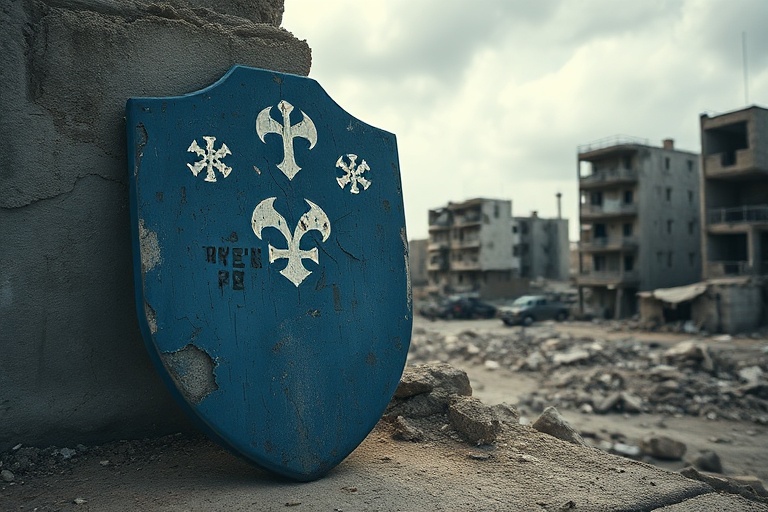
Blue Shield: The Global Emblem Protecting Cultural Heritage
The Blue Shield emblem is more than just a symbol—it is a universal sign of safeguarding cultural heritage during conflicts and disasters. Recognized worldwide, this emblem is a beacon of hope for preserving humanity’s most treasured artifacts, from ancient manuscripts to architectural marvels. Its presence signals that trained professionals are working to shield irreplaceable history from destruction.
The Origins and Meaning Behind the Emblem
Dating back to the 1950s, the Blue Shield was established under the 1954 Hague Convention for the Protection of Cultural Property in the Event of Armed Conflict. Inspired by the Red Cross, the shield features a blue background with a white emblem at its center—a design chosen for its visibility and neutrality. The white emblem is often a simple shield shape, but variations exist depending on the organization using it, such as the International Council on Archives or the Blue Shield International.
Unlike military insignias, the Blue Shield carries no political or nationalistic connotations. Instead, it represents a commitment to humanitarian principles. The emblem is used to mark sites like museums, libraries, and historical buildings that have been designated for special protection. This designation obligates warring parties to avoid targeting these locations, though compliance is not always guaranteed.
Cultural Significance Across Continents
The Blue Shield’s influence extends far beyond its European origins. In the Middle East, where ancient civilizations have flourished and faced repeated conflict, the emblem has become a symbol of defiance against cultural erasure. During the Syrian Civil War, reports emerged of Blue Shield volunteers risking their lives to document and protect heritage sites like Palmyra. Similarly, in Ukraine, the emblem has been used to mark buildings in cities such as Kyiv and Lviv, signaling to invaders that these locations are off-limits.
In Africa, where colonial-era looting and modern-day conflicts have threatened countless artifacts, the Blue Shield has gained traction as a tool for advocacy. Organizations like the African World Heritage Fund have collaborated with Blue Shield branches to train local professionals in heritage protection. This grassroots approach ensures that the emblem resonates with communities directly impacted by the loss of their cultural identity.
How the Blue Shield Operates in Practice
The Blue Shield’s effectiveness relies on a network of volunteers, professionals, and international agreements. When a site is marked with the emblem, it is often accompanied by a registry detailing its significance. This registry is shared with military forces, peacekeeping missions, and humanitarian organizations to ensure awareness and compliance.
The emblem is not just symbolic—it triggers a chain of protocols. For example, during the 2015 conflict in Yemen, the National Museum in Sana’a was marked with Blue Shields. While this did not prevent all damage, it provided legal and moral grounds for international condemnation when strikes occurred. The emblem also facilitates coordination between heritage experts and military leaders, bridging gaps between cultural preservation and wartime strategy.
Challenges and Controversies
Despite its noble intentions, the Blue Shield faces significant challenges. One of the most pressing is the lack of enforcement power. The emblem relies on the goodwill of combatants, and violations are not uncommon. In 2017, the UNESCO World Heritage site of Aleppo in Syria suffered extensive damage despite being marked, highlighting the emblem’s limitations in active war zones.
Another issue is the proliferation of counterfeit or unauthorized uses of the emblem. In some cases, groups have misused the shield to claim legitimacy for their actions, diluting its meaning. To combat this, Blue Shield International has worked to standardize the emblem’s usage and educate the public on its proper representation.
Financial constraints also pose a hurdle. Many Blue Shield branches operate on shoestring budgets, relying on donations and volunteer labor. In regions with limited resources, this can hinder their ability to deploy experts or conduct training programs. Still, the organization’s decentralized structure allows it to adapt to local needs, making it resilient despite these obstacles.
The Future of Cultural Protection
As conflicts grow more complex and climate-related disasters intensify, the role of the Blue Shield is expanding. Natural disasters, such as the 2015 Nepal earthquake, have demonstrated the need for rapid-response heritage protection. Blue Shield teams have since developed emergency protocols to assess and stabilize damaged sites quickly.
Digital preservation has also emerged as a critical frontier. With the rise of cyber warfare and digital archives, the Blue Shield has begun collaborating with tech companies to safeguard intangible cultural heritage. Projects like the Digital Blue Shield initiative aim to protect virtual records of historical documents, ensuring that even in the event of physical destruction, knowledge can endure.
Looking ahead, the Blue Shield’s greatest strength may lie in its adaptability. By fostering partnerships with educational institutions, governments, and grassroots organizations, it continues to evolve. Its message remains clear: cultural heritage is not a luxury but a fundamental part of human dignity, and its protection is a shared responsibility.
Why This Symbol Matters Now More Than Ever
In an era where cultural erasure is both a weapon and an unintended consequence of modernization, the Blue Shield stands as a quiet but powerful reminder. It challenges the notion that heritage is expendable in the face of progress or conflict. Instead, it asserts that preserving the past is essential to understanding the present—and building a more tolerant future.
The emblem’s blue shield is a call to action. It asks us to recognize that culture is not just something to admire in museums but a living, breathing force that shapes identities and fosters resilience. Whether through advocacy, education, or direct intervention, supporting the Blue Shield is a way to invest in the soul of humanity itself.
As conflicts rage on and natural disasters grow more frequent, the Blue Shield’s work is far from over. But its presence—a simple blue and white emblem—offers a glimmer of hope in some of the darkest corners of the world. It is a symbol that says, despite everything, we will not let history be erased.