In the heart of West Yorkshire, Bradford’s cityscape has long been defined by its industrial heritage and cultural diversity. Yet, in recent years, a different kind of landmark has emerged—one that reflects the town’s evolving identity. Signature, the city’s premier shopping and leisure destination, stands as a testament to Bradford’s transformation into a vibrant urban hub. More than just a retail space, this mall has become a social and economic catalyst, drawing visitors from across the region and beyond.
The mall’s development reflects broader trends in urban regeneration, where commercial spaces are increasingly designed to serve as community gathering points. Bradford, once known for its textile mills, now positions itself as a cultural and commercial center, and Signature plays a pivotal role in that narrative. Its architecture, amenities, and programming speak to a deliberate effort to blend commerce with civic life.
The Evolution of Bradford’s Retail Landscape
Bradford’s retail history is rich but complex. For decades, the city’s commercial core revolved around traditional high streets like Kirkgate and Bridge Street, where independent shops and markets thrived. However, the rise of out-of-town shopping centers in the late 20th century posed significant challenges to these local economies. By the early 2000s, Bradford faced a familiar dilemma: how to revitalize its urban center while competing with the convenience of suburban malls.
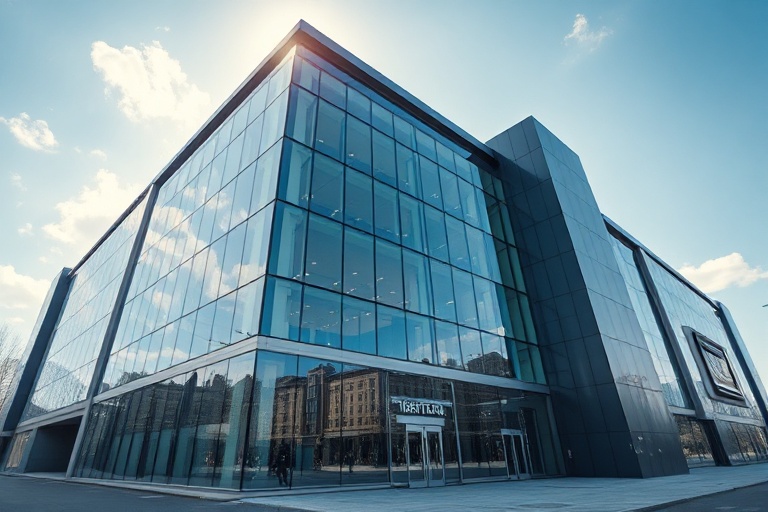
Signature opened in 2008, part of a wave of regeneration projects aimed at revitalizing Bradford’s city center. Designed by architects Benoy, the mall was conceived as more than a shopping destination—it was meant to be a destination in itself. With its striking glass facade, expansive atrium, and mix of high-street brands and local retailers, Signature signaled a new chapter for Bradford’s commercial landscape.
Its location, adjacent to the historic Forster Square railway station, was no accident. Developers recognized the value of connectivity, positioning Signature as a gateway between Bradford’s past and future. The mall’s integration with public transport made it accessible to commuters, students, and tourists alike, reinforcing its role as a central node in the city’s daily life.
A Global Model with Local Roots
While Signature is undeniably a Bradford institution, its design and operational model draw from global trends in urban retail. The mall’s layout follows the “destination mall” concept, where entertainment, dining, and leisure are as important as shopping. This approach mirrors successful models seen in cities like Dubai, where malls like the Dubai Mall blend retail with attractions such as aquariums, cinemas, and even ice rinks.
Yet Signature’s identity remains distinctly Bradfordian. The mall hosts events that celebrate local culture, from Diwali markets to West Indian food festivals. It also provides a platform for regional artists and performers, ensuring that Bradford’s multicultural heritage is visible within its walls. This blend of global retail practices with local authenticity is what sets Signature apart.
Internally, the mall’s management has prioritized creating a welcoming atmosphere. Unlike some malls that feel sterile or impersonal, Signature’s design incorporates natural light, open spaces, and communal seating areas. These choices reflect a growing consumer preference for spaces that feel less transactional and more experiential—a shift that has reshaped retail environments worldwide.
Economic and Social Impact
The economic ripple effects of Signature are significant. Since its opening, the mall has contributed to a revitalization of Bradford’s city center, attracting foot traffic that benefits surrounding businesses. According to local reports, footfall in the area has increased by over 30% since 2008, with many visitors citing Signature as their primary reason for visiting Bradford.
This influx of visitors has also spurred growth in the hospitality sector. Nearby hotels, restaurants, and cafes have seen increased patronage, particularly from tourists who combine shopping with dining or cultural activities. The mall’s proximity to Bradford’s cultural landmarks—such as the National Science and Media Museum and the Alhambra Theatre—further enhances its appeal as a day-trip destination.
Socially, Signature has become a microcosm of Bradford’s diversity. The mall’s food court, for example, features a wide range of cuisines, from traditional British fare to halal and vegetarian options. This inclusivity mirrors the city’s multicultural fabric and ensures that Signature is a space where all residents feel represented.
Challenges and Criticisms
Despite its successes, Signature has not been without controversy. Some critics argue that malls like this can homogenize urban spaces, prioritizing global brands over local businesses. While Signature does include independent retailers, the majority of its stores are national or international chains, raising questions about the mall’s impact on Bradford’s traditional high street economy.
Additionally, concerns have been raised about the mall’s role in gentrification. As property values rise in the area, long-standing residents and businesses may face displacement. Developers have attempted to mitigate this through community engagement programs, but the tension between regeneration and displacement remains a global issue in urban planning.
Looking Ahead: The Future of Bradford’s Retail Hub
As Bradford continues to evolve, so too will Signature. The mall’s management has hinted at plans to expand its leisure offerings, potentially adding more entertainment venues or even residential spaces above the retail units. Such developments would align with broader trends in mixed-use urban design, where spaces are no longer siloed by function but instead designed to serve multiple purposes.
From a cultural perspective, Signature’s role as a social hub will likely grow. In an era where digital shopping dominates, physical spaces like malls must offer experiences that cannot be replicated online. Signature’s success will depend on its ability to remain relevant—whether through hosting events, fostering local talent, or adapting to changing consumer habits.
For Bradford, Signature represents more than just a shopping center. It is a symbol of the city’s resilience and ambition, a place where commerce, culture, and community intersect. As other towns and cities grapple with similar challenges of urban renewal, Bradford’s experience offers valuable lessons in balancing growth with inclusivity.
A Final Thought
Signature Mall is more than bricks and mortar; it is a living space where Bradford’s past, present, and future converge. Whether you’re drawn by the allure of high-street shopping, the promise of a meal at one of its diverse eateries, or simply the chance to experience the city’s pulse, Signature invites you to be part of Bradford’s ongoing story.
For those interested in exploring Bradford’s broader cultural and commercial scene, the city offers plenty more to discover. From its vibrant entertainment venues to its thriving sports culture, Bradford is a city that rewards exploration.