Bradford’s Signature Mall Faces an Uncertain Future
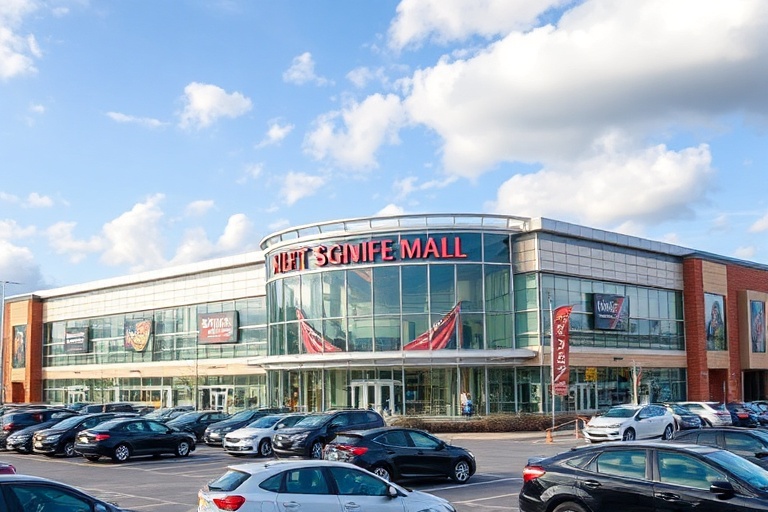
Signature Mall in Bradford, once a bustling retail center, now stands at the intersection of economic shifts and urban redevelopment. The mall, which opened in 2008, has played a pivotal role in the city’s commercial landscape, shaping shopping habits and serving as a social meeting place for generations. Yet its story reflects broader trends in retail, urban planning, and community identity.
As online shopping continues to reshape consumer behavior, traditional malls like Signature face both challenges and opportunities. Some see them as relics of a bygone retail era, while others view them as adaptable spaces that can evolve with the times. Bradford’s approach to revitalizing Signature Mall offers lessons in urban resilience and the future of public gathering spaces.
The Mall’s Origins and Early Impact
Signature Mall was conceived during a period of optimism for brick-and-mortar retail. Designed as a modern shopping destination, it featured a mix of high-street brands, a cinema, and dining options. Its opening was hailed as a milestone for Bradford, a city with a rich industrial heritage but a need for contemporary commercial infrastructure.
The mall quickly became more than just a retail hub. It hosted community events, school performances, and seasonal celebrations, embedding itself in the city’s social fabric. For many residents, Signature was not just a place to shop—it was a landmark, a meeting spot, and a symbol of Bradford’s progress.
Yet even in its early years, the mall faced competition from out-of-town retail parks and the growing influence of e-commerce. The rise of Amazon and other online platforms began subtly altering shopping behaviors, though their full impact on Signature would take years to materialize.
Challenges and Adaptation in the Retail Landscape
The decline of traditional retail has been well-documented, and Signature Mall has not been immune. Several anchor stores have closed over the years, leaving vacant units that once housed major brands. The shift to online shopping accelerated this trend, reducing foot traffic and forcing mall management to rethink their strategies.
In response, Signature has attempted to diversify its offerings. The mall introduced pop-up shops, experiential retail concepts, and community-focused events to attract visitors. These efforts reflect a broader trend among struggling malls: transforming from purely transactional spaces into destinations that offer entertainment, dining, and social experiences.
However, adaptation has not been easy. Retailers face high overhead costs, and consumer habits continue to evolve. The COVID-19 pandemic further disrupted operations, accelerating closures and reducing visitor numbers. For a city like Bradford, where retail has long been a cornerstone of the economy, these challenges carry significant implications.
Key Factors in Signature Mall’s Evolution
- Foot Traffic Decline: The shift to online shopping reduced the mall’s primary revenue stream, forcing a reevaluation of its purpose.
- Retailer Bankruptcies: Several major brands that once anchored the mall have closed, leaving gaps in its tenant mix.
- Community Role: The mall remains a social hub, but its ability to fulfill this role depends on its ability to adapt.
- Urban Planning Challenges: Revitalizing the mall requires coordination with city planners, investors, and local stakeholders.
- Economic Ripple Effects: The mall’s struggles impact surrounding businesses, from cafes to independent shops.
The mall’s future hinges on its ability to balance commerce with community. Some cities have successfully repurposed struggling malls into mixed-use developments, combining retail with residential, office, and recreational spaces. Bradford’s approach to Signature may follow a similar model—or it may forge its own path.
The Broader Implications for Bradford
Signature Mall’s story is not unique, but it carries particular weight for Bradford. The city has long grappled with economic transitions, from the decline of its textile industry to the challenges of modern retail. The mall’s success or failure could influence broader urban development strategies.
Revitalizing Signature could signal a commitment to preserving Bradford’s commercial vitality. It could also serve as a catalyst for wider regeneration, attracting investment and improving the city’s appeal. Conversely, a failure to adapt might deepen concerns about Bradford’s long-term economic trajectory.
Beyond economics, the mall plays a role in Bradford’s cultural identity. It is a place where different generations intersect, where families gather, and where local traditions find expression. Preserving this aspect of the mall’s identity may be just as important as securing its financial future.
What’s Next for Signature Mall?
The mall’s owners and city officials have not yet unveiled a definitive plan for its future. However, several possibilities are under discussion:
- Mixed-Use Redevelopment: Transforming part of the mall into residential or office spaces could diversify its revenue streams.
- Cultural and Entertainment Focus: Expanding events, exhibitions, and leisure activities could draw larger crowds.
- Public-Private Partnerships: Collaborations between investors and local government could fund necessary upgrades.
- Community-Led Initiatives: Involving residents in decision-making might ensure the mall remains a beloved local asset.
Regardless of the path chosen, one thing is clear: Bradford’s relationship with Signature Mall is evolving. The mall’s next chapter will reflect not just economic trends but also the city’s priorities and values.
For now, Signature remains a work in progress—a place where the past and future of Bradford intersect. Its ability to adapt will determine whether it remains a vital community hub or fades into the background of a changing retail landscape.
Conclusion: A Model for the Future?
Signature Mall’s journey offers a microcosm of the challenges facing traditional retail hubs across the UK. Its story is one of adaptation, resilience, and the ongoing search for relevance in an era dominated by digital commerce.
Bradford’s approach to Signature could serve as a blueprint for other cities grappling with similar issues. By embracing flexibility, community engagement, and innovative redesigns, struggling malls can transition from obsolete retail centers to dynamic public spaces.
The mall’s future remains uncertain, but its potential is undeniable. Whether it thrives as a reimagined community asset or becomes a cautionary tale of retail decline, its story will shape Bradford’s narrative for years to come.
For those invested in the city’s future, Signature Mall is more than just a building—it’s a symbol of Bradford’s capacity to evolve.
For further insights into retail trends and urban development, explore our News and Analysis sections.