Brora Rangers: How Scotland’s Small Club Is Rising Through the Ranks
Nestled in the rugged Highlands of Scotland, Brora Rangers FC has quietly emerged as one of the country’s most compelling non-league success stories. Founded in 1965, the Sutherland-based club has spent decades grinding away in the lower tiers of Scottish football, but recent years have seen a meteoric rise that has caught the attention of fans and pundits alike.
The club’s journey from obscurity to the brink of the Scottish Professional Football League (SPFL) is a testament to ambition, community spirit, and strategic vision. While giants like Celtic and Rangers dominate headlines, Brora Rangers has carved its own path, proving that football’s magic isn’t confined to the top tiers.
The Club’s Humble Origins and Community Roots
Brora Rangers was established in 1965, born from the passion of local football enthusiasts in the small town of Brora, Caithness. The club’s early years were defined by modest ambitions and tight-knit community support. For decades, Brora operated in the Highland Football League (HFL), a competition often overlooked by mainstream Scottish football but rich in tradition and local pride.
What sets Brora apart is its deep connection to the town. Unlike clubs with corporate backers or distant owners, Brora Rangers is run by volunteers and supported by generations of families. The club’s home ground, Dudgeon Park, is more than just a stadium—it’s a gathering place where locals come to watch football, socialize, and celebrate their shared identity. This grassroots ethos has become the club’s defining strength.
A Decade of Transformation
The club’s recent rise didn’t happen overnight. It was the result of steady progress, shrewd leadership, and a commitment to sustainable growth. In 2012, Brora Rangers won the Highland League title for the first time in their history, a milestone that signaled their potential. But the real turning point came in the 2022-23 season, when they secured a second league title in a decade, this time with a commanding 18-point gap over second-place Fraserburgh.
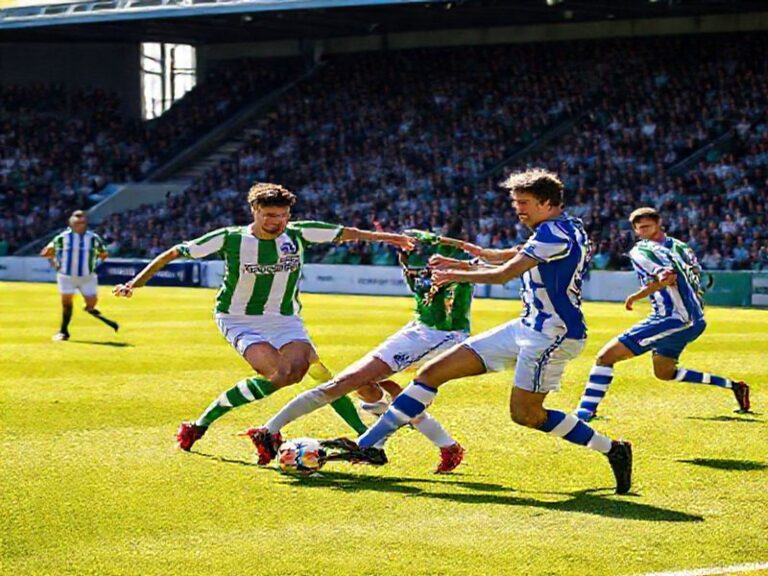
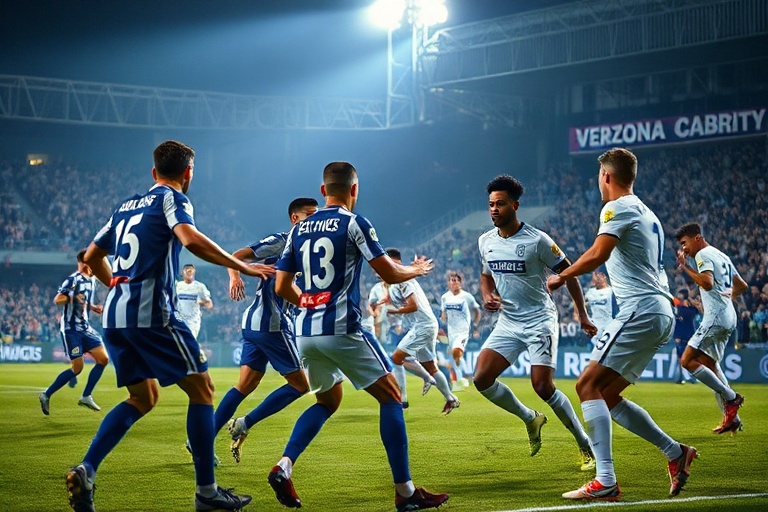
This dominance wasn’t just about winning matches—it was about outsmarting opponents tactically, developing young talent, and leveraging the club’s unique identity. Under manager Ross Tokely, a former professional player with a deep understanding of the game, Brora transformed from a plucky underdog into a well-oiled machine. Their style of play, characterized by high pressing and quick transitions, has drawn comparisons to some of Europe’s top sides.
The Role of Leadership and Strategy
No club’s rise is possible without strong leadership, and Brora Rangers is no exception. Ross Tokely, who took over as manager in 2019, has been instrumental in the club’s transformation. A former defender with a journeyman career in the SPFL, Tokely brought a blend of tactical acumen and motivational skills to Brora. His ability to develop young players and instill a winning mentality has been crucial.
The club’s board, led by chairman Gordon MacLean, has also played a pivotal role. Unlike many non-league clubs struggling with financial instability, Brora has managed to balance ambition with fiscal responsibility. Their approach has been methodical: invest in youth development, strengthen community ties, and gradually upgrade infrastructure. This long-term planning has paid dividends, allowing the club to compete at higher levels without overextending.
Key Factors Behind Brora’s Success
The club’s success can be attributed to several key factors:
- Youth Development: Brora has invested heavily in its academy, producing players who understand the club’s philosophy and are loyal to its cause. This has reduced reliance on expensive transfers and fostered a strong team identity.
- Community Engagement: The club’s close relationship with local supporters has ensured steady attendance and volunteer support. Fundraising events, youth camps, and open days have kept the community invested.
- Tactical Innovation: Under Tokely, Brora has adopted a modern, high-pressing style that maximizes the strengths of their squad. This adaptability has allowed them to compete against more physically dominant teams.
- Infrastructure Upgrades: Recent improvements to Dudgeon Park, including better facilities and pitch enhancements, have created a more professional environment for players and fans alike.
Broader Implications for Scottish Football
Brora Rangers’ rise is more than just a feel-good story—it has broader implications for Scottish football. The SPFL is often criticized for being dominated by a handful of clubs, with the majority of resources and attention focused on the top tiers. Brora’s success challenges this narrative, proving that ambition and smart management can break the cycle of inequality.
Their journey also highlights the importance of the Highland League as a talent pipeline. Clubs like Brora, Cove Rangers, and Formartine United have shown that non-league football can be a stepping stone to higher levels. This is particularly relevant as the SPFL seeks to expand its reach and engage with communities across Scotland.
Moreover, Brora’s story resonates in an era where football is increasingly dominated by financial power. Their ability to compete without multi-million-pound budgets is a blueprint for other small clubs. It’s a reminder that football’s soul lies in its communities, not just its balance sheets.
What’s Next for Brora Rangers?
With their second Highland League title secured, Brora Rangers now set their sights on the Scottish Cup and, potentially, promotion to the SPFL. The club’s application for SPFL membership in 2023 was a significant step, though they ultimately missed out on promotion due to infrastructure requirements. However, their continued progress suggests that SPFL football may not be far off.
For now, the focus remains on maintaining their momentum. The Highland League is a grueling competition, with harsh weather conditions and long travel distances testing even the fittest teams. But Brora’s squad, built on youth and experience, appears well-equipped for the challenge.
Off the pitch, the club is also exploring ways to grow its fanbase. Social media has become a powerful tool for engaging with supporters beyond Caithness, and Brora’s authentic, community-driven approach has resonated with football fans across Scotland and beyond.
A Model for the Future?
Brora Rangers’ story offers lessons for football clubs at all levels. It demonstrates that success isn’t solely about money or reputation—it’s about vision, community, and execution. In an era where football is often criticized for losing touch with its roots, Brora stands as a beacon of hope for the grassroots game.
As they continue their journey, Brora Rangers will be watched closely by football fans who crave authenticity and ambition. Whether they achieve SPFL status or not, their impact on Scottish football is already undeniable.
For now, the club remains a symbol of what happens when passion meets purpose. And in football, that’s a combination that can achieve anything.
To stay updated on Brora Rangers and other non-league clubs making waves in Scottish football, follow Dave’s Locker Sports and explore the latest in Football News.