Celtic vs Hearts: Scotland’s Historic Football Rivalry Explained
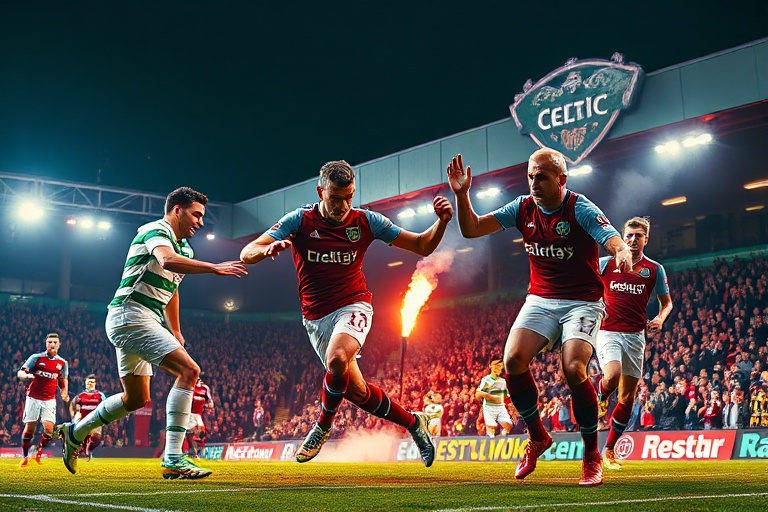
The clash between Celtic and Heart of Midlothian, commonly known as Hearts, is one of Scotland’s most storied football rivalries. Dating back to 1891, these two clubs have faced off in hundreds of competitive matches, each encounter carrying weight beyond mere league points. This fixture isn’t just about three points—it’s about pride, history, and local bragging rights in a city split between Glasgow’s west end and Edinburgh’s capital.
The rivalry has seen dramatic highs and lows for both sets of supporters. Celtic, with their European triumphs and domestic dominance, often enter as favorites, but Hearts have a habit of pulling off surprises that keep their fans dreaming. The intensity peaks during cup competitions, where knockout drama amplifies the stakes. Whether it’s a league fixture or a Scottish Cup semi-final, the atmosphere is electric, with passionate supporters filling Hampden Park or Celtic Park to capacity.
Historical Context and Head-to-Head Records
Celtic and Hearts first met on November 28, 1891, in a Scottish Football League match at Celtic Park. The home side won 5-1, setting the tone for a rivalry that would evolve into one of Scotland’s fiercest. Over the decades, the two clubs have followed contrasting paths. Celtic established themselves as a European force, winning the European Cup in 1967 and regularly competing in the Champions League. Hearts, while never achieving continental glory, built a reputation as a club of romance and resilience, with their 1985 Scottish Cup triumph against Celtic in a replay at Hampden remaining a cherished memory for their supporters.
As of the 2023-24 season, the two teams have faced each other 321 times in all competitions. Celtic holds a commanding lead with 164 wins to Hearts’ 76, with 81 matches ending in draws. The most notable period of Hearts’ recent dominance came during the 1980s and early 1990s under manager Alex MacDonald, when they frequently challenged Celtic for the league title. More recently, Hearts have enjoyed periods of Cup success, including a 2012 Scottish Cup win over Celtic in the semi-finals, a result that still stings for the Glasgow side’s supporters.
The rivalry isn’t just confined to the pitch. The clubs represent two distinct identities. Celtic, founded in 1888 by Irish immigrants, became a symbol of the Catholic community in Glasgow, while Hearts, established in 1874, reflect Edinburgh’s more secular and traditionally working-class roots. These cultural distinctions have fueled tensions over the years, though modern football has seen a shift toward inclusivity and shared values.
Key Matches That Defined the Rivalry
Several matches stand out in the annals of this rivalry, each etching itself into the memories of fans from both sides.
- 1957 Scottish Cup Final: Celtic defeated Hearts 2-1 in a tightly contested final, with goals from Sammy Wilson and Willie Fernie securing the trophy. It was Celtic’s first major silverware in a decade, a victory that began their resurgence under manager Jimmy McGrory.
- 1985 Scottish Cup Semi-Final Replay: Hearts stunned Celtic with a 2-0 victory at Hampden, thanks to goals from John Robertson and Gary Mackay. The result sent Hearts to the final, where they would go on to lift the trophy, defeating Dundee United in a dramatic replay.
- 2012 Scottish Cup Semi-Final: In a match that reignited old tensions, Hearts beat Celtic 2-1 at Hampden. Ryan Stevenson and Jamie Hamill scored the goals, while Celtic’s frustration boiled over with red cards for Emilio Nsue and Mikael Lustig. The victory propelled Hearts to the final, where they lost to Hibernian in an Edinburgh derby.
- 2023 Scottish Cup Quarter-Final: Celtic exacted revenge with a 3-0 win at Tynecastle, with goals from Kyogo Furuhashi, Callum McGregor, and Daizen Maeda. The match was marred by crowd trouble, highlighting the volatile emotions that still surround this fixture.
These matches illustrate the ebb and flow of the rivalry. Hearts have often risen to the occasion in cup competitions, while Celtic’s consistency in the league has kept them ahead in the long term. The psychological edge in these games often shifts depending on recent form, but the history ensures that every encounter feels significant.
Tactical Battles and Managerial Impact
The tactical battles in Celtic vs Hearts matches have produced some fascinating contrasts. Celtic, historically, have been associated with attacking football under managers like Jock Stein, Gordon Strachan, and Brendan Rodgers. Their emphasis on possession and pressing has seen them dominate possession in recent years, though Hearts have often exploited their vulnerability on the counterattack.
Hearts, meanwhile, have developed a reputation for resilience and organization. Under Craig Levein in the early 2000s, they employed a disciplined 4-5-1 formation that frustrated even the biggest teams. More recently, Robbie Neilson’s side used a compact 5-3-2 system to great effect, particularly in cup competitions where they’ve punched above their weight.
Managerial mind games have also played a part. The late Tommy Burns, a former Celtic player, famously taunted Hearts fans after a victory, while Hearts’ Dave Mackay once described Celtic Park as “a place where dreams go to die.” These verbal sparring matches add another layer to an already intense rivalry.
Fan Culture and Atmosphere
The fan culture surrounding Celtic and Hearts is a defining feature of this rivalry. Celtic Park, with its capacity of over 60,000, is one of Europe’s most atmospheric stadiums. The Green Brigade, a prominent ultras group, leads the singing with chants that echo through the stadium. The club’s Irish heritage is celebrated in songs and banners, creating an environment that feels like a home away from home for many supporters.
Hearts’ Tynecastle Stadium, though smaller, is no less passionate. The Gorgie end erupts with noise, and the club’s fans are known for their loyalty and creativity. Chants like “Hearts, Hearts, we’ll follow Hearts” and “We are the people” resonate through the stands, creating a fortress-like atmosphere. The Edinburgh derby, when Hearts face Hibernian, further divides loyalties in the city, but Celtic remains the primary rival.
Sadly, the rivalry has also seen its share of trouble. Hooliganism and sectarian tensions have marred past encounters, though both clubs have worked hard in recent years to promote inclusivity and condemn discrimination. Initiatives like Celtic’s “Bhoys Against Bigotry” and Hearts’ community engagement programs aim to shift the narrative toward a more positive future.
Looking Ahead: The Future of the Rivalry
As both clubs navigate the challenges of modern football, the Celtic vs Hearts rivalry remains a cornerstone of Scottish football. For Celtic, the focus is often on European competition and domestic dominance, but they cannot afford to underestimate Hearts in cup matches. Hearts, meanwhile, are rebuilding under manager Steven Naismith, aiming to return to the top flight and compete regularly at the highest level.
The introduction of safe-standing sections at both Celtic Park and Tynecastle could enhance the atmosphere in future derbies. The Scottish Premiership’s financial disparities mean Celtic will likely continue to hold the upper hand in league titles, but the unpredictability of cup football ensures that Hearts will always have a chance to cause an upset.
For fans, the rivalry is about more than just results. It’s about identity, community, and the shared passion for football. Whether it’s a league fixture or a cup tie, the anticipation builds in the days leading up to the match, and the memories created will last a lifetime.
As the rivalry enters its 14th decade, one thing is certain: Celtic vs Hearts will continue to deliver drama, passion, and moments that define Scottish football. For supporters of both clubs, the next match cannot come soon enough.
For more insights into Scottish football’s biggest stories, visit our News and Sports sections.
The next chapter in this historic rivalry is just around the corner, and it promises to be another unforgettable installment.