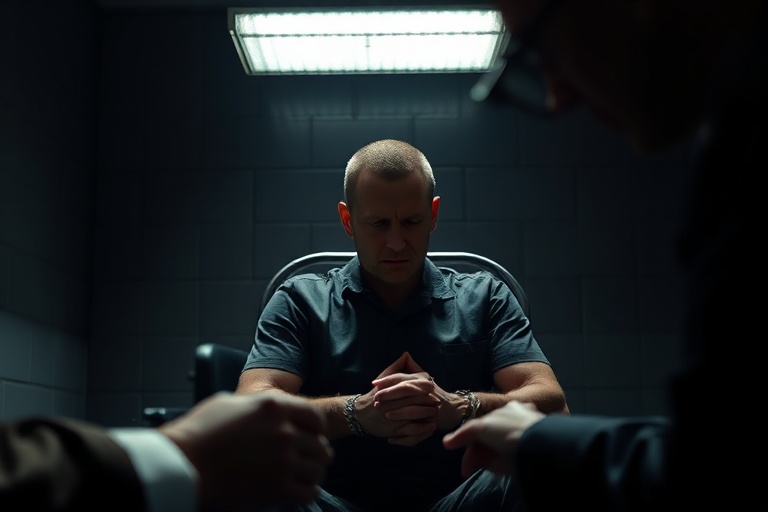
Chris Watts Case: The Tragedy That Shocked Colorado and the World
The Case That Shook Colorado
The disappearance of Shanann Watts and her two young daughters, Bella and Celeste, from their Frederick, Colorado home in August 2018 sent shockwaves through the community and beyond. What began as a missing persons case quickly escalated into one of the most closely followed criminal investigations in recent American history. The case captivated global audiences, drawing comparisons to other high-profile family tragedies that have punctuated the 21st century.
The Watts family appeared to be the epitome of suburban success. Shanann, a successful sales representative for a wellness company, and Chris, an oil field worker, lived in a spacious four-bedroom home with their two daughters. Neighbors described them as a typical American family, but behind closed doors, tensions were reportedly rising. Financial struggles and alleged infidelity on Chris’s part hinted at deeper issues beneath the surface.
The Timeline of Disappearance
On August 13, 2018, Shanann returned home from a business trip early in the morning, visibly distressed. She and the children were reported missing by a family member later that day. Initial searches focused on the area surrounding the Watts’ residence, with law enforcement canvassing the neighborhood and reviewing security footage.
Suspicion quickly turned toward Chris Watts. His inconsistent statements and erratic behavior raised red flags. On August 15, after a tense interrogation, Watts led authorities to the location where he had disposed of the bodies of Shanann and the girls. The discovery was both horrifying and heartbreaking, as the remains were found in oil tanks on a property where Watts worked.
Forensic Evidence and Legal Proceedings
The prosecution built a compelling case against Chris Watts, relying on a combination of forensic evidence and circumstantial factors. Key pieces of evidence included:
- Text messages and recorded phone calls that suggested Shanann had discovered Chris’s affair and was threatening to leave him.
- Security footage showing Shanann’s car being driven out of the garage on the morning of her disappearance, with Chris Watts behind the wheel.
- DNA evidence linking Shanann and the girls to the oil tanks where their bodies were found.
- Chris Watts’ own confession, in which he admitted to strangling Shanann and disposing of the bodies.
In November 2018, Chris Watts pleaded guilty to three counts of first-degree murder and one count of unlawful termination of a pregnancy. He avoided the death penalty by cooperating with authorities and providing details about the disposal of the bodies. Watts was sentenced to life in prison without the possibility of parole, a decision that left many questioning whether justice had been fully served.
A Global Perspective: Why This Case Resonated Worldwide
The Watts case transcended its local roots, becoming a global phenomenon that sparked conversations about family violence, infidelity, and the fragility of suburban life. Media outlets from Europe to Asia covered the story, often framing it within broader discussions about gender roles and societal expectations. In countries like the United Kingdom and Australia, the case was frequently compared to other infamous family tragedies, such as the murder of the Clave family in France or the disappearance of the Madsen family in Denmark.
Culturally, the Watts case tapped into a collective fascination with the “perfect family” facade. Sociologists noted that the case highlighted the pressures of modern family life, where financial strain and social media expectations can mask underlying dysfunction. The rapid dissemination of information through social media platforms like Twitter and Reddit further fueled the global conversation, with armchair detectives dissecting every detail of the case.
In some countries, the case was used as a cautionary tale about the dangers of domestic violence. In Latin America, where rates of femicide remain alarmingly high, the Watts case was cited in discussions about the need for systemic change. Meanwhile, in parts of Asia, where family honor is often prioritized above individual well-being, the case sparked debates about the pressures placed on women to maintain appearances, even in the face of abuse.
The Aftermath: Reflections on Justice and Healing
For the Watts family, the legal proceedings offered no solace. Shanann’s parents, Frank and Sandra Rzucek, issued a statement expressing their grief and anger at the leniency of Watts’ sentence. They later filed a wrongful death lawsuit against Watts, seeking damages for the emotional and financial toll of his actions.
In the years since the case, the Watts tragedy has continued to haunt the community of Frederick, Colorado. The house where the family lived was demolished, and the land remains vacant, a silent reminder of the events that unfolded there. Meanwhile, Shanann’s parents have become advocates for victims of domestic violence, using their platform to raise awareness about the signs of abuse and the resources available to those in need.
For Chris Watts, life in prison has been a far cry from the suburban dream he once imagined. In interviews conducted from prison, Watts has expressed remorse, though many remain skeptical of his sincerity. His story serves as a stark reminder of how quickly lives can unravel when deception and violence take root.
Lessons Learned: A Call for Vigilance
The Watts case underscores the importance of paying attention to the subtle signs of domestic abuse. Experts emphasize that violence in the home often escalates over time, and intervention at the earliest possible stage can save lives. For friends, family, and neighbors, knowing how to recognize the warning signs—such as controlling behavior, financial exploitation, or sudden changes in mood—can make all the difference.
As technology continues to evolve, so too do the ways in which we monitor and address domestic violence. Apps designed to discreetly alert authorities or trusted contacts in times of danger are becoming more prevalent, offering a lifeline to those trapped in abusive situations. Meanwhile, social media platforms are increasingly being used to spread awareness about resources and support networks for victims.
For those who followed the Watts case, the tragedy serves as a sobering reminder of the unpredictability of life. It challenges us to look beyond the surface of our own lives and communities, to recognize that even the most seemingly stable families can be hiding unimaginable pain.
If you or someone you know is experiencing domestic violence, resources are available. In the United States, the National Domestic Violence Hotline can be reached at 1-800-799-SAFE (7233) or via text at “START” to 88788. For international resources, visit HotPeachPages.