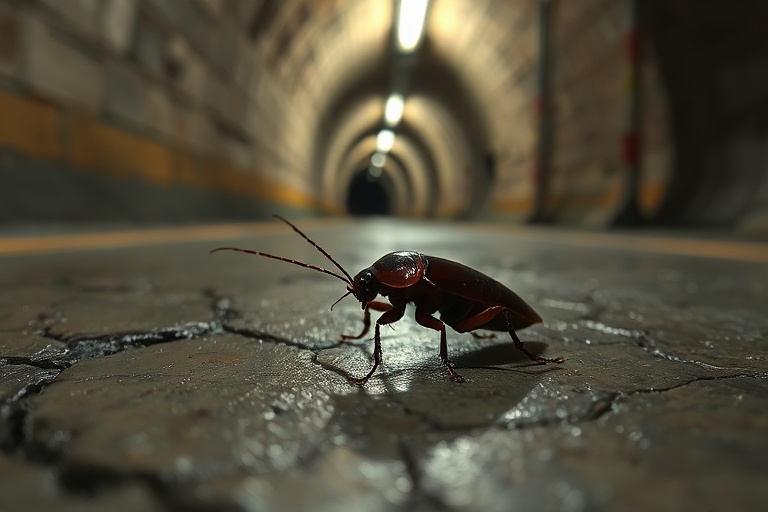
The Unyielding Legacy of the Cockroach: Survival Across Continents
The cockroach is one of nature’s most enduring survivors, a creature that has thrived for over 300 million years. Found on every continent except Antarctica, these insects have adapted to nearly every environment, from tropical rainforests to urban sewers. Their resilience is unmatched, making them a subject of both fascination and revulsion in human culture.
While often dismissed as pests, cockroaches play a crucial role in ecosystems by breaking down organic matter. Yet their presence in human spaces—whether in kitchens, basements, or restaurants—has cemented their reputation as unwanted guests. This duality raises questions about their place in the world: Are they simply survivors doing what they must, or does their proximity to humans reveal something deeper about our relationship with nature?
The Global Spread of Cockroaches: A Timeline of Adaptation
The story of the cockroach is one of relentless adaptation. Fossil records suggest they first appeared during the Carboniferous period, long before dinosaurs roamed the Earth. Over millennia, they evolved to withstand extreme conditions, including radiation and starvation. Today, two species—the German cockroach (Blattella germanica) and the American cockroach (Periplaneta americana)—are among the most widespread, thriving in human habitats due to their ability to exploit our waste and shelter.
In tropical regions, native species like the Madagascar hissing cockroach (Gromphadorhina portentosa) have become cultural symbols, revered in some traditions for their hardiness. Meanwhile, in colder climates, cockroaches have adapted by seeking refuge indoors, where temperatures remain stable. This global distribution highlights their evolutionary success, but it also underscores a paradox: the more humans expand their urban landscapes, the more cockroaches flourish alongside them.
Cultural Perceptions: From Sacred to Sinister
Cockroaches occupy a unique space in human mythology and folklore. In ancient Egypt, they were associated with the sun god Ra, symbolizing rebirth and regeneration. Conversely, in many Western cultures, they are reviled as harbingers of filth and disease. This divide reflects broader attitudes toward pests—creatures that are both necessary for ecological balance and despised for their perceived threats to human health.
In Chinese culture, cockroaches are sometimes linked to resilience and adaptability, traits valued in a fast-changing world. Conversely, in Japanese folklore, they appear in cautionary tales about neglect and decay. Even in modern media, cockroaches are often used as metaphors for survival in dystopian narratives, such as the film They Live, where they represent oppressive forces. These contrasting portrayals reveal how deeply human perceptions of cockroaches are tied to cultural values and historical contexts.
Their dual role as both pests and survivors has led to a complex relationship with humanity. While some cultures have developed innovative ways to coexist with cockroaches—such as using them in traditional medicine or as food—their association with uncleanliness persists in many societies. This tension is particularly evident in urban environments, where cockroach infestations are often seen as a sign of poor sanitation.
The Science of Survival: What Makes Cockroaches So Resilient?
The cockroach’s ability to endure stems from a combination of biological and behavioral traits. Their exoskeletons are highly resistant to crushing, allowing them to slip through tiny cracks and withstand significant physical stress. Additionally, they can survive for weeks without food and even a month without water, making them nearly impossible to starve out.
Scientists have also studied their remarkable regenerative abilities. Some species can regrow limbs or repair damaged tissues, a trait that has intrigued researchers for decades. In 2019, a study published in Nature Communications even suggested that cockroaches could inspire new approaches to robotics, particularly in designing machines capable of navigating hazardous environments.
Another key to their survival is their reproductive strategy. Cockroaches produce large numbers of offspring quickly, ensuring that even if many are eliminated, some will survive to continue the species. This high reproductive rate has made them difficult to control, especially in places where sanitation is inconsistent.
Yet their resilience comes at a cost. In some cases, their presence has led to overuse of pesticides, which can harm other species and contribute to environmental degradation. This has prompted calls for more sustainable pest management strategies, such as integrated pest control, which focuses on reducing cockroach populations without relying solely on chemicals.
The Future of Cockroaches: Pests, Pioneers, or Both?
As climate change alters global ecosystems, cockroaches are likely to expand their range further. Warmer temperatures and increased humidity create ideal conditions for their survival, potentially leading to more infestations in regions previously considered inhospitable. This shift raises important questions about how humans will adapt to this evolving relationship with one of nature’s most persistent creatures.
Some researchers are even exploring the potential benefits of cockroaches. For example, their digestive systems can break down plastic waste, a discovery that could have implications for environmental cleanup efforts. In countries like China, cockroach farming has emerged as a solution to agricultural waste, with farms producing millions of insects annually for use in animal feed and pharmaceuticals.
However, their role as disease vectors remains a significant concern. Cockroaches can carry bacteria like E. coli and Salmonella, posing health risks in food preparation areas. This has led to ongoing debates about the best ways to manage their populations without resorting to harmful chemicals that could disrupt ecosystems.
For those who see cockroaches as nothing more than pests, their persistence is a nuisance. But for scientists and environmentalists, they represent a fascinating case study in adaptation and survival. Whether viewed as villains or vital players in the natural world, cockroaches are here to stay—and their story is far from over.
Living with Cockroaches: Practical Tips for Coexistence
While it’s unlikely humans will ever fully eradicate cockroaches, there are steps we can take to minimize their impact on our lives. The first line of defense is maintaining cleanliness, particularly in food storage and waste disposal areas. Sealing cracks and crevices can also help prevent them from entering homes.
For those dealing with infestations, professional pest control services can provide targeted solutions, such as baits and traps that reduce populations without widespread pesticide use. In some cases, natural predators like certain species of ants or parasitic wasps can help keep cockroach numbers in check.
Ultimately, the challenge of living with cockroaches is a reminder of nature’s tenacity. These insects have outlasted dinosaurs, outlived civilizations, and adapted to nearly every corner of the planet. Rather than viewing them solely as enemies, perhaps it’s worth considering what they can teach us about resilience—and how we might apply those lessons to our own challenges.
For more insights into how pests shape human societies, explore our Health section, where we examine the intersection of biology, culture, and daily life.