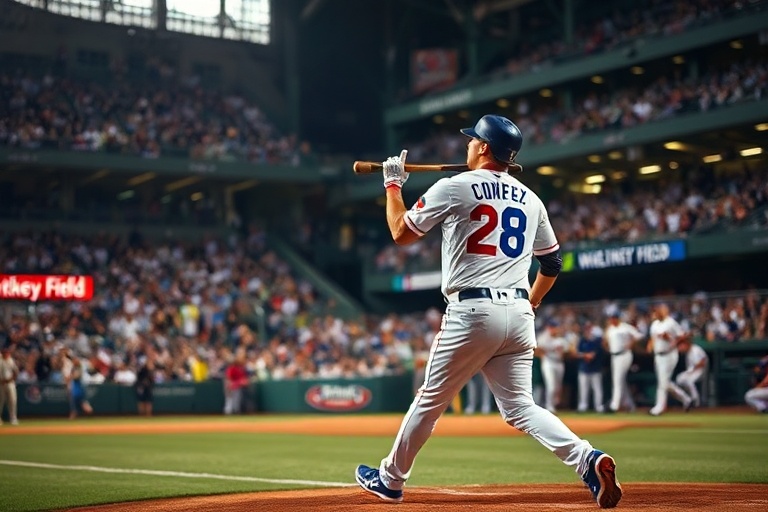
The rivalry between the Chicago Cubs and the Chicago White Sox isn’t just another interleague matchup—it’s a clash of identities, histories, and neighborhoods that runs deeper than most MLB divisions. While teams like the Yankees and Red Sox battle over bragging rights in New York, the Cubs and White Sox divide one of America’s great cities along the Chicago River, creating a rivalry that’s as much about geography as it is about baseball.
The History Behind the Rivalry
The roots of this rivalry stretch back to 1901, when the White Sox were founded as one of the American League’s eight charter franchises. The Cubs, already established as part of the National League since 1876, had been dominating Chicago’s baseball scene for decades. When the White Sox won the World Series in 1906, they became the first major league team from Chicago to claim a championship, setting the stage for decades of competition.
The rivalry intensified in 1906 when the Cubs and White Sox met in the World Series—the only intracity Fall Classic in MLB history. The White Sox won that series four games to two, but the rivalry had already taken on a life of its own. Over the years, the two teams developed distinct fanbases: the Cubs became associated with the North Side, while the White Sox claimed the South Side as their territory.
- North Side vs South Side: The Cubs play at Wrigley Field in the Lake View neighborhood, while the White Sox call Guaranteed Rate Field home in the Bridgeport area.
- Working-class vs Middle-class: Historically, the White Sox were seen as the team of the working class, while the Cubs attracted a more middle-class fanbase.
- Winning traditions: The Cubs endured a 108-year World Series drought that ended in 2016, while the White Sox claimed championships in 1906, 1917, and 2005.
Cultural Impact Beyond the Diamond
This rivalry isn’t just about wins and losses—it’s woven into the fabric of Chicago’s identity. The Cubs and White Sox represent different sides of the city’s personality, reflecting its neighborhoods, cultures, and economic divides. When the two teams meet in interleague play, the city practically stops to watch, with bars, restaurants, and even workplaces divided between blue and red.
The rivalry has produced some of baseball’s most memorable moments. From Kerry Wood’s 20-strikeout game in 1998 to the Cubs’ dramatic 2016 World Series win, these matchups have given Chicago baseball fans plenty to cheer about. The White Sox, meanwhile, have celebrated their own triumphs, including their 2005 championship that ended an 88-year drought.
Beyond the field, the rivalry extends to music, art, and even politics. Chicago musicians like Chance the Rapper have referenced the rivalry in their work, while local artists create murals that celebrate both teams’ histories. The divide even shows up in Chicago politics, with some aldermen openly supporting one team over the other.
Key Factors in the Modern Rivalry
In recent years, the rivalry has taken on new dimensions as both teams have invested heavily in rebuilding their rosters. The Cubs assembled a powerhouse team that won the World Series in 2016, while the White Sox have developed one of baseball’s most promising farm systems. This has created a new era of competitiveness that fans on both sides are eager to see play out.
Several factors contribute to the intensity of this rivalry today:
- Player movements: When stars switch teams, it creates immediate tension. Recent examples include closer Craig Kimbrel joining the White Sox after years with the Cubs.
- Draft battles: Both teams compete fiercely for top amateur talent, often drafting players from the same regions.
- Managerial matchups: When managers like David Ross (Cubs) and Tony La Russa (White Sox) face off, the experience and intensity come through in every decision.
- Fan engagement: Social media has amplified the rivalry, with fans from both sides constantly engaging online.
What This Rivalry Means for Chicago
Beyond the baseball, this rivalry serves as a reminder of Chicago’s diversity and resilience. It’s a rare example of friendly competition between two sides that might otherwise be divided. In a city known for its neighborhoods and rivalries, the Cubs and White Sox provide a unifying force that brings Chicagoans together, even if just for a few games each season.
The rivalry also highlights the importance of baseball in Chicago’s cultural landscape. While other major cities might have multiple teams in different sports, Chicago’s baseball teams hold a special place in the hearts of their fans. The Cubs and White Sox aren’t just teams—they’re institutions that reflect the city’s history, struggles, and triumphs.
For visitors to Chicago, experiencing this rivalry firsthand is a must. Whether it’s catching a game at Wrigley Field or taking in a White Sox game at Guaranteed Rate Field, the atmosphere in either ballpark captures the essence of Chicago baseball. The passionate fans, historic venues, and intense matchups create an experience that’s uniquely Chicago.
As both teams continue to evolve, the rivalry shows no signs of fading. With young stars rising on both sides and championship aspirations in sight, the Cubs and White Sox are poised to deliver more memorable moments in the years to come. For Chicago baseball fans, that’s something to look forward to every season.
For those looking to dive deeper into Chicago baseball history, check out our News section for the latest updates and analysis.