Cubs vs White Sox: The Chicago Derby That Defines a City
The rivalry between the Chicago Cubs and the Chicago White Sox stretches back over a century, rooted in geography, class, and baseball tradition. While both teams call the Windy City home, their histories diverge sharply, creating a dynamic that extends beyond the diamond. This isn’t just a local showdown; it’s a reflection of Chicago’s complex identity, where blue-collar grit meets ivy-covered nostalgia.
The Origins of a Rivalry: More Than Just Baseball
The Cubs were established in 1876 as part of the National League, quickly becoming a symbol of Chicago’s industrial north side. Their home at Wrigley Field, built in 1914, is a testament to an era when baseball was America’s pastime—a game played in the shadows of factories and stockyards. The White Sox, on the other hand, were founded in 1901 as one of the American League’s eight charter franchises. Their original home, the South Side Grounds, reflected the working-class neighborhoods of Chicago’s south side, where the city’s meatpacking and manufacturing industries thrived.
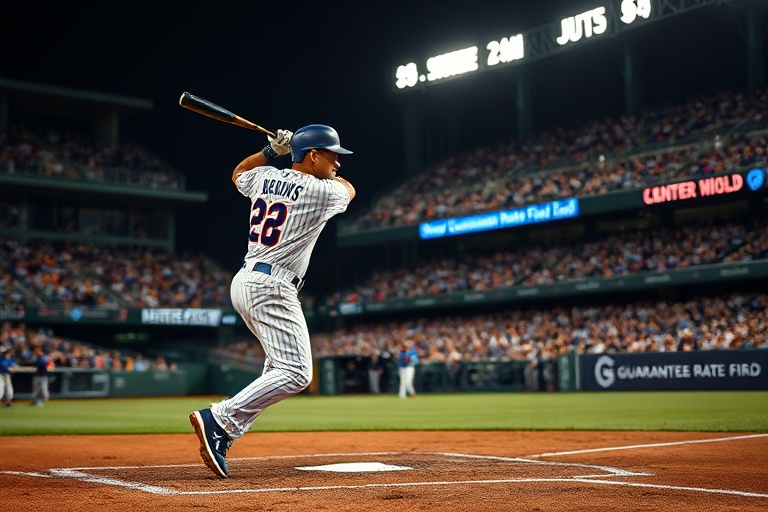
The rivalry itself gained traction in 1906 when the White Sox, dubbed the “Hitless Wonders,” won the World Series against the Cubs, who were heavy favorites. This upset set the stage for decades of tension, fueled by economic and cultural divides. The Cubs became associated with affluence and tradition, while the White Sox embodied resilience and blue-collar pride. Even today, the contrast is palpable: Wrigley’s ivy-covered outfield walls versus Guaranteed Rate Field’s modern, corporate aesthetic.
A Timeline of Key Moments
The Cubs’ 2016 World Series victory, their first in 108 years, momentarily paused the rivalry’s usual drama. Yet the White Sox’s own postseason runs in 2005 and 2021 kept the competition alive. Below are some of the most defining moments between the two teams:
- 1906 World Series: The White Sox’s underdog triumph over the Cubs marked the first true clash of the crosstown rivals.
- 1917 White Sox: Chicago’s south siders won another World Series, this time against the New York Giants, further cementing their reputation as the gritty alternative to the Cubs’ polished image.
- 1945 Black Sox Scandal: While not directly between the two teams, the fallout from the 1919 Black Sox scandal—where White Sox players were accused of throwing the World Series—cast a long shadow over Chicago baseball.
- 2005 White Sox Sweep: The White Sox dominated the Cubs in interleague play, winning six of nine games and showcasing their talent just months before their World Series run.
- 2016 Cubs Celebration: Though the Cubs’ World Series win overshadowed the White Sox, it also reignited fan debates about which team truly represented Chicago’s baseball soul.
Beyond the Field: What the Rivalry Reveals About Chicago
The Cubs vs. White Sox rivalry is more than a series of games; it’s a microcosm of Chicago’s identity. The Cubs, with their historic ballpark and loyal fanbase, represent the city’s nostalgic side—a place where tradition is cherished and change comes slowly. The White Sox, meanwhile, embody the city’s scrappy, no-nonsense attitude, a team that thrives in the shadows of its more glamorous counterpart.
This divide extends to the city’s demographics. Wrigleyville’s gentrified streets contrast sharply with the working-class neighborhoods surrounding Guaranteed Rate Field. The Cubs’ fanbase skews older and more affluent, while the White Sox attract a younger, more diverse crowd. Yet both teams share a common challenge: keeping Chicago engaged in a sports landscape dominated by the Bears and Blackhawks.
Interleague play, introduced in 1997, has given fans six or more chances each season to see the rivalry in action. These matchups often draw massive crowds, proving that despite the teams’ differences, Chicagoans share a deep passion for baseball. The rivalry also serves as a reminder of the city’s resilience. In a place known for its harsh winters and economic struggles, the Cubs and White Sox provide a sense of continuity and pride.
The Modern Era: Can the Rivalry Survive in a Changing Landscape?
Today, the Cubs and White Sox are navigating a baseball world transformed by analytics, global markets, and shifting fan habits. The Cubs’ front office has embraced data-driven decision-making, leading to their 2016 triumph and consistent contention. The White Sox, under the leadership of executive vice president Kenny Williams and manager Tony La Russa, have also invested heavily in analytics, aiming to build a powerhouse that can compete with their north side rivals.
Yet the rivalry’s future is not guaranteed. With interleague play now a permanent fixture and the MLB schedule becoming more balanced, the urgency of the Cubs vs. White Sox matchups has diminished slightly. Younger fans, drawn to the NFL and NBA, may not feel the same attachment to the rivalry as their parents or grandparents did. Social media has also changed how fans engage with the game, reducing the tribalism that once defined the rivalry.
However, there are signs that the rivalry remains alive. The White Sox’s 2021 playoff run, which included a dramatic Game 3 win in the ALDS against the Astros, reminded Chicago of the drama that only a crosstown series can provide. Meanwhile, the Cubs’ ability to draw sellout crowds at Wrigley, even in non-contention years, underscores the city’s enduring love for baseball.
The Economic Impact of the Rivalry
The Cubs vs. White Sox rivalry also has tangible economic effects. Local businesses, from bars to hotels, thrive during interleague series. Wrigleyville’s economy, in particular, benefits from the influx of fans on game days, while Guaranteed Rate Field’s surrounding area sees a boost during White Sox home games. The rivalry even influences real estate prices, with properties near Wrigley Field commanding premiums due to the neighborhood’s charm and the team’s historic appeal.
Sponsorships and merchandise sales also reflect the rivalry’s commercial value. While the Cubs have long been a global brand, the White Sox have made strides in recent years, particularly with their “South Side Pride” marketing campaigns. The contrast between the two teams’ branding strategies highlights their different approaches to appealing to fans.
A Rivalry Worth Preserving
The Cubs vs. White Sox rivalry is one of baseball’s most unique, blending history, culture, and competition into a single narrative. While the teams may not face off in a World Series again anytime soon, their interleague battles remain a must-watch for Chicagoans and baseball fans alike. The rivalry’s ability to adapt to modern times—whether through analytics, social media, or new generations of fans—ensures its survival.
For Chicago, the Cubs and White Sox are more than just baseball teams. They are symbols of the city’s past, present, and future. Whether it’s the nostalgia of Wrigley Field or the blue-collar grit of Guaranteed Rate Field, the rivalry reminds us that Chicago is a city of contrasts—and that’s what makes it special.
As the seasons change and new stars emerge, one thing is certain: when the Cubs and White Sox take the field, Chicago stops to watch. And in a world where sports rivalries often feel manufactured, this one feels real.
For more on Chicago’s sports scene, visit our Sports and News sections.