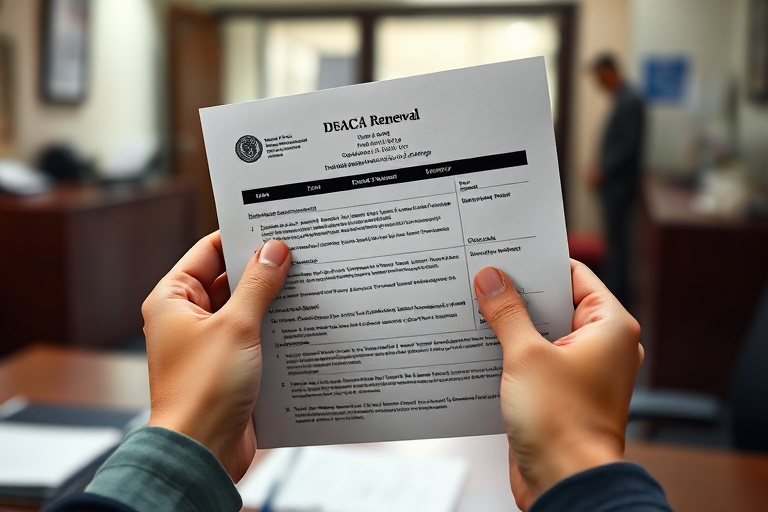
For thousands of Dreamers, the anxiety of waiting for DACA renewal approvals has become a persistent reality. Processing times for Deferred Action for Childhood Arrivals (DACA) renewals have stretched well beyond the advertised 120-day window, leaving recipients in a precarious position where expired protections could mean loss of employment, driver’s licenses, and even deportation risk.
The delays aren’t just an administrative inconvenience—they represent a growing crisis for a program that has provided stability to over 800,000 immigrants who were brought to the U.S. as children. While new DACA applications remain largely frozen due to legal challenges, those seeking renewals face mounting frustration as USCIS processes pile up.
How Long Are Renewals Actually Taking?
Official USCIS processing times suggest renewals should take 120 days or less. In practice, however, many applicants report waiting six months or longer. A recent analysis by immigration advocacy groups found that as of early 2024, the average processing time for DACA renewals had reached 206 days in some jurisdictions—nearly double the expected duration.
Delays vary significantly by service center. Some applicants in California and Texas have reported wait times exceeding 300 days, while those in Nebraska have seen relatively faster processing at around 150 days. This inconsistency has created a patchwork of uncertainty across the country.
- Top-reported delays by region:
- California Service Center: 220+ days average
- Texas Service Center: 180+ days average
- Nebraska Service Center: 150 days average
- Vermont Service Center: 165 days average
- Over 34,000 renewal applications were pending as of March 2024, according to USCIS data.
- Applicants in certain states face additional hurdles due to state-level restrictions on DACA recipients.
Why Are Delays Happening Now?
Several factors contribute to the current bottleneck. First, USCIS has faced chronic understaffing and funding shortfalls, exacerbated by the surge in asylum applications and other immigration workloads. The agency has also prioritized new work permits for other humanitarian programs, diverting resources away from DACA processing.
Legal challenges have compounded the issue. In 2021, a federal judge in Texas ruled DACA unlawful, halting new applications and renewals. Though the program was allowed to continue for existing recipients, the ruling introduced uncertainty that slowed administrative efficiency. Even after partial legal victories for DACA supporters, processing backlogs remained unaddressed.
“The delays are not just frustrating—they’re life-altering. Many Dreamers have built careers, started families, and contributed to their communities under DACA’s protections. An expired work permit isn’t just a piece of paper—it can mean losing a job or facing deportation.”
— Maria Rodriguez, Executive Director of the Coalition for Humane Immigrant Rights (CHIRLA)
Another contributing factor is the increased scrutiny of renewal applications. USCIS has intensified its review process, issuing more Requests for Evidence (RFEs) even for straightforward renewals. While this may reduce fraud, it also adds weeks or months to processing times for applicants who previously sailed through without issues.
Who Is Most Affected?
The impact of these delays is not evenly distributed. Certain groups face disproportionate hardship:
- Healthcare workers: Many DACA recipients are essential workers in hospitals, clinics, and long-term care facilities. An expired work permit can jeopardize their employment and, in some cases, patient safety.
- Students and educators: DACA recipients make up a significant portion of the K-12 and higher education workforce. Delays can disrupt their ability to work legally, affecting their financial aid and teaching licenses.
- Small business owners: Over 29,000 DACA recipients are entrepreneurs. Expired permits can force them to close their businesses or operate in the shadows.
- Families with mixed status: Many DACA recipients are parents to U.S.-born children. Prolonged uncertainty affects their ability to plan for the future, from securing mortgages to accessing healthcare.
Young professionals in their late 20s and early 30s are particularly vulnerable. Many initially applied for DACA as teenagers or young adults, and now, nearly a decade later, their permits are expiring at a time when they are most established in their careers. Renewal delays force them into a cycle of uncertainty, where every expired card feels like a ticking clock.
What’s Being Done—and What’s Next?
Advocacy groups and lawmakers have ramped up pressure on the Biden administration to address the backlog. In March 2024, a coalition of 147 members of Congress sent a letter to DHS Secretary Alejandro Mayorkas, urging immediate action to reduce processing times and expand fee waivers for low-income applicants.
USCIS has acknowledged the delays and claims to be hiring additional staff and implementing new efficiency measures. However, critics argue these steps are insufficient given the scale of the problem. Some have called for temporary protected status (TPS) expansions or legislative solutions like the DREAM Act to provide more permanent relief.
For now, Dreamers are left navigating a maze of legal and bureaucratic hurdles. Many have turned to immigration attorneys for help, though legal fees can add hundreds or thousands of dollars to an already strained budget. Others are relying on mutual aid networks, crowdfunding campaigns, and nonprofit organizations to cover basic living expenses while they wait.
The emotional toll is equally significant. A 2023 survey by the National Immigration Law Center found that 78% of DACA recipients reported increased stress and anxiety due to processing delays. Many describe the experience as living in a “legal purgatory,” where their futures hang in the balance.
Looking Ahead: A System Under Strain
The DACA renewal crisis is more than a bureaucratic failure—it’s a symptom of a broken immigration system that fails to provide long-term stability for those who call the U.S. home. While legislative solutions remain elusive, immediate administrative reforms could alleviate some of the pressure. Faster processing times, expanded fee waivers, and clearer communication from USCIS would go a long way in reducing the uncertainty faced by thousands.
For Dreamers, the message from the government is clear: your contributions are valued, but your legal security is not guaranteed. Until that changes, the delays will continue to cast a shadow over the lives of those who have already overcome so much.
In the absence of comprehensive reform, the responsibility falls on advocates, employers, and communities to support DACA recipients during this prolonged wait. Whether through legal aid, financial assistance, or public solidarity, the message must be unequivocal: Dreamers deserve better than a system that treats their futures as an afterthought.