Del Monte Foods: A Century of Global Food Innovation and Sustainability
Founding and Early Growth
Del Monte Foods traces its origins to the late 19th century, when a group of California fruit growers united to form the Del Monte brand in 1886. The name itself carries historical weight, referencing the Del Monte Forest near Monterey, California, an area known for its lush agricultural potential. Within a decade, the company had expanded beyond local markets, shipping canned fruits and vegetables across the United States. By the early 1900s, Del Monte had become a household name, synonymous with quality and consistency in preserved foods.
The company’s early success was built on innovation. It was among the first to use vacuum sealing in canning, which extended shelf life without compromising flavor. This technological leap allowed Del Monte to supply troops during World War I and II, cementing its reputation as a reliable food source during global crises. The brand’s ability to adapt to wartime demands demonstrated its operational resilience and commitment to feeding communities at scale.
Expansion and Global Influence
Del Monte’s growth accelerated in the mid-20th century, driven by international expansion and diversification. In the 1960s, the company entered the frozen foods market, introducing products that catered to changing consumer habits. By the 1980s, Del Monte had established a strong presence in Europe, Asia, and Latin America, adapting its offerings to local tastes while maintaining its core identity. In Japan, for example, Del Monte introduced fruit cocktails that became staples in households and sports venues, blending Western preservation techniques with Eastern culinary preferences.
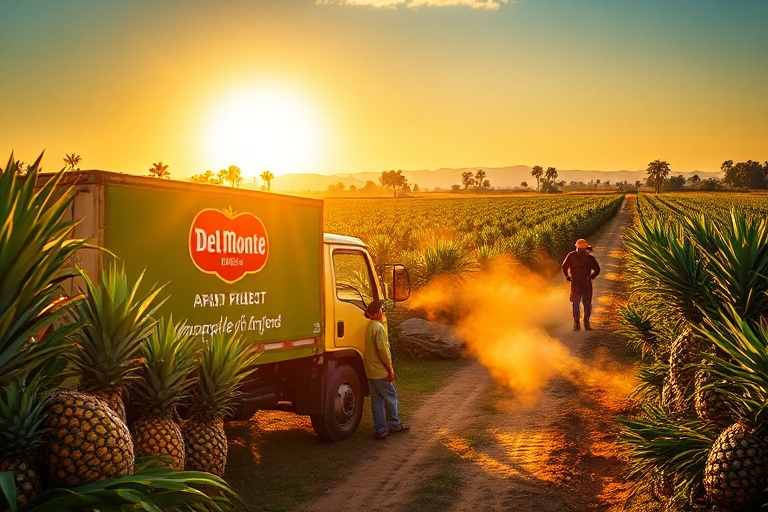
The brand’s global reach is not just a matter of distribution but also cultural integration. In the Philippines, Del Monte pineapples are grown in vast plantations and are a major export, contributing to the country’s agricultural economy. Similarly, in Kenya, Del Monte operates one of the largest horticultural operations in Africa, supplying fresh produce to European markets. These international ventures highlight Del Monte’s role as both an economic driver and a cultural bridge, connecting diverse regions through food.
The Brand’s Signature Products
Del Monte is perhaps best known for its canned fruits, vegetables, and tomato-based sauces. Some of its most iconic products include:
- Del Monte Fruit Cocktail: A staple in American lunchboxes since the 1920s, this mixed fruit can was originally marketed as a healthful dessert option.
- Del Monte Ketchup: Launched in the 1920s, this condiment became a pantry essential worldwide, with regional variations tailored to local tastes, such as spicier versions in Mexico.
- Del Monte Pineapple Chunks: Sourced from Hawaiian and Filipino plantations, these are a key ingredient in desserts and savory dishes across Asia.
- Del Monte Vegetable Medley: Introduced during the health-conscious movement of the 1980s, this product reflects Del Monte’s pivot toward nutritious, convenient foods.
Sustainability and Modern Challenges
In recent decades, Del Monte has faced increasing scrutiny over sustainability and ethical sourcing. The company has responded with initiatives aimed at reducing its environmental footprint. For instance, Del Monte’s pineapple farms in Costa Rica now use drip irrigation to conserve water and have adopted integrated pest management to minimize chemical use. The company has also committed to sourcing 100% of its tomatoes from sustainable farms by 2025, aligning with global trends toward eco-friendly agriculture.
However, challenges remain. Climate change poses a significant threat to Del Monte’s operations, particularly in regions vulnerable to drought or extreme weather. In 2021, the company reported losses due to disrupted harvests in Central America, underscoring the fragility of global food supply chains. Del Monte’s response has included investing in climate-resilient crop varieties and exploring vertical farming techniques to mitigate these risks.
Cultural Impact and Consumer Perception
Del Monte’s influence extends beyond the supermarket shelf. The brand has played a role in shaping food culture, particularly in how societies perceive canned and processed foods. In the United States, Del Monte is often associated with nostalgia, evoking memories of childhood meals and holiday feasts. Meanwhile, in countries like India, where fresh produce is preferred, Del Monte’s canned products are sometimes viewed as a luxury or a convenience for busy urbanites.
The brand has also adapted to modern dietary trends. Recognizing the growing demand for organic and non-GMO foods, Del Monte has introduced lines of organic canned vegetables and fruits. These products cater to health-conscious consumers while maintaining the convenience that has defined the brand for over a century. Additionally, Del Monte has embraced transparency in labeling, allowing customers to trace the origins of their food—a response to the increasing consumer interest in food provenance.
Looking to the Future
As Del Monte approaches its 140th anniversary, the company continues to evolve. Its future strategies focus on three key areas: innovation, sustainability, and digital engagement. Del Monte is investing in plant-based products, such as canned beans and lentils, to capitalize on the growing popularity of vegetarian and vegan diets. The company is also leveraging data analytics to optimize supply chains and reduce waste, ensuring that its operations are as efficient as possible.
Digital engagement is another priority. Del Monte has strengthened its online presence, using social media platforms to connect with younger consumers. Campaigns highlighting the versatility of its products—such as recipes and cooking tutorials—have resonated with millennials and Gen Z, who value both convenience and creativity in the kitchen. This shift reflects a broader trend in the food industry, where brands are no longer just suppliers but also educators and influencers.
For a company that has weathered economic depressions, world wars, and shifting consumer preferences, Del Monte’s longevity is a testament to its ability to reinvent itself. From its humble beginnings as a California fruit cooperative to its current status as a global food giant, Del Monte has consistently balanced tradition with innovation. As the world faces new challenges in food security and sustainability, Del Monte’s role as a bridge between tradition and progress will likely continue to define its legacy.