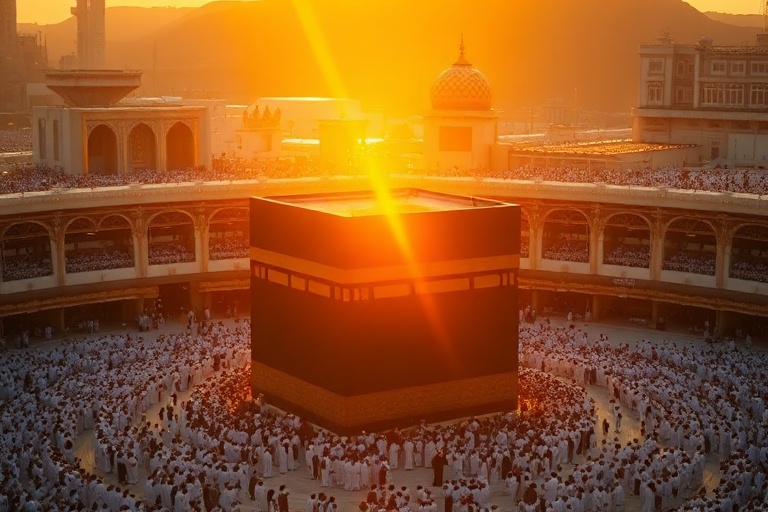
Dhul Hijjah, the twelfth and final month of the Islamic lunar calendar, holds profound significance for Muslims worldwide. In 2026, this sacred month will begin on the evening of June 16, marking the start of a period filled with spiritual reflection, devotion, and communal worship. The month culminates in Eid al-Adha, one of Islam’s most important festivals, celebrated by millions of believers across the globe.
The timing of Dhul Hijjah is determined by the lunar cycle, making its start date variable each year. In 2026, astronomical calculations suggest the month will begin shortly after the new moon, aligning with the sighting of the crescent moon in Mecca. This lunar-based tradition underscores the deep connection between Islamic practice and celestial observations, a practice that has endured for over 1,400 years.
The Five Pillars of Dhul Hijjah
Dhul Hijjah is most prominently associated with the Hajj pilgrimage, one of the Five Pillars of Islam. This year, Hajj is expected to take place from June 22 to June 27, with the Day of Arafah falling on June 26 and Eid al-Adha beginning on June 27. The pilgrimage is a once-in-a-lifetime obligation for Muslims who are physically and financially able, symbolizing unity, equality, and submission to Allah.
The rituals of Hajj trace back to the Prophet Ibrahim (AS) and his family, embodying themes of sacrifice, trust, and divine mercy. Pilgrims perform a series of rites, including the Tawaf (circumambulation of the Kaaba), the Sa’i (walking between Safa and Marwah hills), and standing at the plains of Arafah—a moment considered the pinnacle of Hajj. For those not performing Hajj, Dhul Hijjah offers opportunities for increased worship, fasting, and charitable acts.
- Day of Arafah (June 26): A day of profound spiritual significance, where pilgrims gather on the Mount of Mercy to seek forgiveness and mercy. Non-pilgrims are encouraged to fast and engage in supplication.
- Eid al-Adha (June 27): The Festival of Sacrifice commemorates Prophet Ibrahim’s willingness to sacrifice his son in obedience to Allah. Muslims worldwide slaughter an animal (Qurbani), distributing the meat to family, friends, and the needy.
- First Ten Days: Considered the most blessed days of the year, these days are ideal for increased prayer, Quranic recitation, and acts of kindness.
Cultural and Communal Observances
Beyond its religious dimensions, Dhul Hijjah fosters a sense of global unity among Muslims. Communities organize collective prayers, Qurbani distributions, and educational programs to ensure that the spirit of the month is accessible to all, regardless of economic status. In many countries, mosques and Islamic centers host special lectures on the virtues of Dhul Hijjah, the history of Hajj, and the lessons from Prophet Ibrahim’s story.
In multicultural societies, Dhul Hijjah also serves as an opportunity for interfaith dialogue. Non-Muslims are often invited to mosques for iftars, open houses, or educational sessions about Islam. These initiatives help dispel misconceptions and foster mutual understanding, particularly in regions where Islam is a minority religion.
For families, Dhul Hijjah is a time of togetherness. Parents teach children about the stories of the Prophets, the importance of charity, and the meaning of sacrifice. Many families participate in Qurbani by donating to organizations that provide meat to underserved communities, ensuring that the blessings of Eid are shared widely.
Economic and Logistical Considerations
The Hajj pilgrimage is not only a spiritual endeavor but also a massive logistical operation. Saudi Arabia, home to the holy sites, undertakes extensive preparations to accommodate over 2 million pilgrims annually. In 2026, authorities are expected to implement advanced crowd management systems, health screenings, and transportation enhancements to ensure a safe and smooth experience.
The economic impact of Hajj is substantial. Pilgrims spend billions on travel, accommodation, and local services, benefiting the Saudi economy. However, the costs associated with Hajj—including travel, visas, and Qurbani—can be prohibitive for some. Organizations such as Dave’s Locker Culture highlight initiatives that help individuals and families save for Hajj, offering financial advice and community support to make the pilgrimage more accessible.
Globally, the demand for Qurbani meat drives seasonal economic activity. Slaughterhouses, logistics companies, and charitable organizations work in tandem to process, package, and distribute meat to regions with Muslim populations. This year, technological advancements such as blockchain are being explored to track Qurbani donations, ensuring transparency and accountability in charitable giving.
Preparing Spiritually and Practically
As Dhul Hijjah approaches, Muslims are encouraged to prepare both spiritually and practically. Spiritual preparation involves repentance, increased acts of worship, and a commitment to self-improvement. Many Muslims begin reciting Takbeer (saying “Allahu Akbar”) from the start of Dhul Hijjah, a practice that continues until the end of Eid al-Adha.
Practical preparation includes organizing finances for Qurbani, booking travel for Hajj if applicable, and planning charitable donations. Financial experts recommend setting aside funds early, much like saving for a major life event. Websites like Dave’s Locker Finance provide tools and guides to help individuals budget for Hajj and other Islamic obligations.
For those unable to perform Hajj, there are still meaningful ways to engage with the month. Fasting on the Day of Arafah, reading the Quran, and giving to charity are all highly rewarded acts. Many Muslims also use this time to reflect on their personal goals, aligning their intentions with the spirit of sacrifice and submission.
Conclusion
Dhul Hijjah 2026 is poised to be a month of deep spiritual renewal, global unity, and communal solidarity. Whether through the rigors of Hajj, the communal celebrations of Eid, or the quiet acts of worship during the first ten days, Muslims worldwide will come together to honor their faith and values. For non-Muslims, the month offers an opportunity to learn about Islamic traditions and participate in shared humanity.
The lessons of Dhul Hijjah extend far beyond ritual practices. They remind us of the importance of sacrifice, gratitude, and compassion—qualities that resonate in every society. As the lunar calendar turns once again, the global Muslim community will find strength in its diversity, its shared history, and its collective aspirations for a better world.
For those seeking to deepen their understanding of Islamic practices or financial planning for spiritual obligations, resources like Dave’s Locker offer valuable insights and guidance. As Dhul Hijjah approaches, may the month bring blessings, peace, and a renewed sense of purpose to all who observe it.