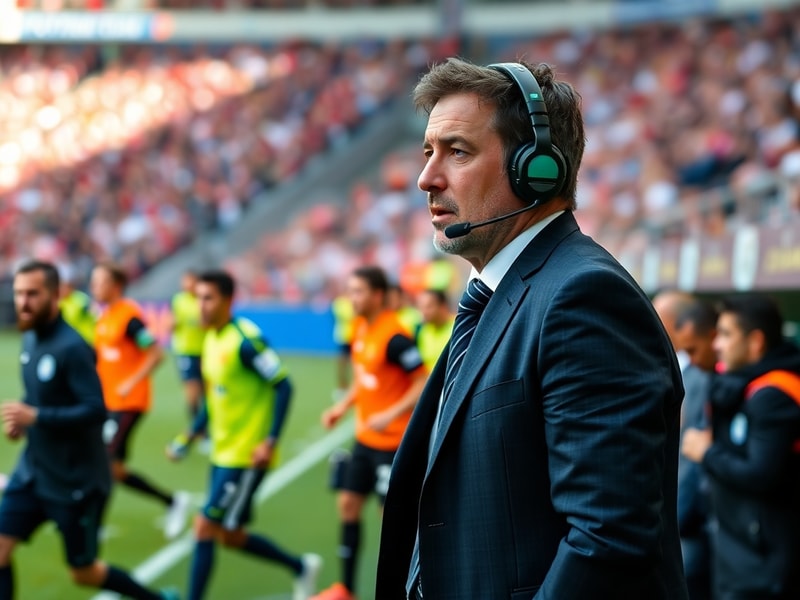
Few fixtures in Romanian football carry the weight and intensity of Dinamo Bucharest versus CFR Cluj. This rivalry transcends mere competition; it embodies the shifting power dynamics of the domestic league. When these two teams meet, the stakes are always high—whether it’s a title decider, a cup final, or a mid-season battle for European qualification.
The most recent encounters have only intensified the narrative. Dinamo, once the undisputed kings of Romanian football, now faces a CFR Cluj side that has dominated the league for nearly a decade. The contrast between the two teams—Dinamo’s historic legacy and Cluj’s modern dominance—creates a compelling backdrop for every match.
The Historical Context: From Dinamo’s Glory to Cluj’s Reign
Dinamo Bucharest was founded in 1948 and quickly became a symbol of Romanian football’s golden era. With 18 league titles and 13 domestic cups, Dinamo’s trophy cabinet speaks to a time when Romanian clubs competed at the highest level in Europe. The 1980s, in particular, were Dinamo’s peak, with European campaigns that captured the imagination of fans across the continent.
CFR Cluj, on the other hand, was a mid-table team for most of its history. Founded in 1907, the club spent decades in the shadow of Dinamo and other powerhouses like Steaua Bucharest. That changed in 2005 when the team won its first-ever league title, marking the beginning of an unprecedented run. Since then, Cluj has claimed eight league titles, five domestic cups, and consistent appearances in the UEFA Champions League and Europa League.
The shift in power has been stark. Dinamo, once the standard-bearer of Romanian football, now finds itself playing catch-up. The rivalry between the two clubs has evolved from a contest between equals to a David-and-Goliath dynamic, with Dinamo searching for a way to reclaim its former glory.
Key Factors in the Dinamo vs CFR Cluj Rivalry
The Dinamo-CFR Cluj rivalry is more than just a battle for points; it’s a clash of philosophies, resources, and ambitions. Below are the key factors that define this fixture:
- Historical Prestige vs Modern Dominance: Dinamo’s legacy as Romania’s most successful club contrasts sharply with Cluj’s recent dominance. The clash between tradition and contemporary success adds layers to every encounter.
- European Ambitions: Both clubs vie for a place in European competitions, but Cluj has consistently outperformed Dinamo in recent years. The financial and sporting implications of European football make this rivalry even more critical.
- Fan Culture and Atmosphere: Dinamo’s Stadionul Dinamo is one of Romania’s most iconic venues, known for its passionate supporters. Cluj, meanwhile, has built a strong following in recent years, creating an electric atmosphere wherever they play.
- Managerial Strategies: The tactical battles between Dinamo’s coaches and Cluj’s experienced managers often decide the outcome. Cluj’s pragmatic approach under managers like Dan Petrescu and Edward Iordănescu has been a key to their success.
- Squad Quality and Recruitment: Dinamo has struggled with financial instability, affecting their ability to retain top players. Cluj, backed by local business figures, has been able to assemble competitive squads year after year.
The Tactical Battle: How the Teams Approach the Game
When Dinamo and CFR Cluj face off, the tactical battle is as important as the individual battles on the pitch. Cluj’s approach under manager Dan Petrescu has often been pragmatic, prioritizing defensive solidity and quick transitions. The team’s ability to absorb pressure and exploit set-pieces has been a hallmark of their recent success.
Dinamo, meanwhile, has fluctuated between defensive resilience and aggressive attacking play, depending on the manager in charge. Under Mirel Rădoi, Dinamo has shown glimpses of resurgence, with a focus on building from the back and utilizing the pace of forwards like Gabriel Iancu. However, consistency remains an issue.
The midfield is often the battleground where games are decided. Cluj’s foreign signings, particularly in defensive midfield, provide a shield in front of the backline. Dinamo, on the other hand, relies on homegrown talent and the creativity of players like Răzvan Marin in the past. The ability to control the tempo and break down stubborn defenses will be crucial.
Broader Implications: What This Rivalry Means for Romanian Football
The Dinamo vs CFR Cluj rivalry is a microcosm of the challenges facing Romanian football. The decline of traditional powerhouses like Dinamo and Steaua has left a void that Cluj has filled. While this has brought stability to the league, it has also raised concerns about the long-term health of the sport in Romania.
One of the most pressing issues is the financial disparity between the clubs. Dinamo, despite its history, has struggled with financial instability, often relying on loans and player sales to survive. Cluj, backed by wealthy patrons, has been able to invest in infrastructure, youth academies, and top-tier signings. This imbalance threatens to widen the gap between the haves and have-nots in Romanian football.
Another concern is the lack of competition at the top. With Cluj dominating the league, the title race often feels one-sided. Dinamo’s occasional resurgence provides hope, but the club’s inability to sustain success highlights deeper systemic issues. The Romanian Football Federation (FRF) has attempted to address these problems through financial fair play regulations and youth development initiatives, but progress has been slow.
The Dinamo vs CFR Cluj rivalry also has implications for European football. Romanian clubs have struggled to make an impact in UEFA competitions in recent years. Cluj’s Champions League appearances have been fleeting, and Dinamo’s European campaigns have been marred by financial and administrative issues. For Romanian football to regain its stature, clubs like Dinamo and Cluj must prioritize European competition and invest in their squads accordingly.
Looking Ahead: What’s Next for This Rivalry?
The future of the Dinamo vs CFR Cluj rivalry is as uncertain as it is exciting. Dinamo’s recent investment in new signings and infrastructure suggests a desire to return to the top. The appointment of Mirel Rădoi as manager has brought a sense of stability, and the club’s young squad has shown promise.
For Cluj, the challenge will be maintaining their dominance while navigating financial constraints and UEFA regulations. The loss of key players and managerial changes could disrupt their rhythm, but the club’s infrastructure and experience should help them adapt.
One thing is certain: whenever Dinamo and CFR Cluj meet, the intensity will be palpable. Whether it’s a league title decider, a cup final, or a mid-season clash, these matches will continue to define Romanian football. The rivalry is more than just a contest between two teams; it’s a reflection of the sport’s evolution in Romania and a testament to the passion of its fans.
For supporters, the Dinamo vs CFR Cluj rivalry offers drama, nostalgia, and hope. For the clubs, it’s a reminder of what they can achieve—and what they stand to lose. And for Romanian football as a whole, it’s a call to action: to rebuild, to innovate, and to reclaim the glory of the past.
As the next chapter in this storied rivalry unfolds, one thing is clear: Dinamo vs CFR Cluj is more than a game. It’s a statement.
Explore more sports analysis on Dave’s Locker or dive into recent football news to stay updated.