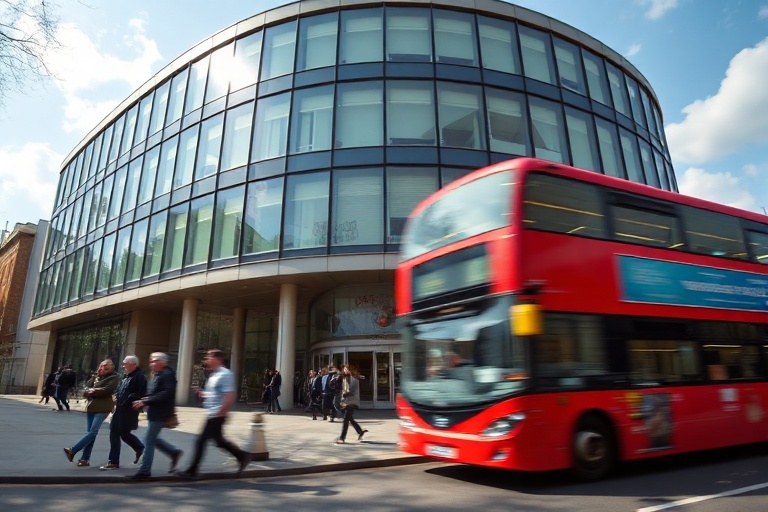
Ealing Council stands at a crossroads between rapid urban development and the preservation of its historic character. As one of London’s most diverse boroughs, Ealing faces unique challenges in housing, transportation, and public services. This article examines the council’s recent initiatives, controversies, and long-term strategies that shape the future of West London.
Housing Crisis and Development Pressures
Ealing’s proximity to central London and its relatively affordable property prices compared to inner boroughs have made it a prime target for developers. The council has responded with ambitious housing plans, including the Ealing Housing Strategy 2023-2028, which aims to deliver 3,000 new homes annually. However, this growth has sparked debates about gentrification and the displacement of long-term residents.
Critics argue that many new developments prioritize luxury apartments over affordable housing. The council has countered by pointing to Section 106 agreements that require 40% of new homes to be affordable. Yet enforcement remains inconsistent, with some projects falling short of these targets. The situation reflects a broader London-wide tension between meeting housing demand and maintaining community cohesion.
Key Housing Initiatives
- Ealing Broadway regeneration: A £1bn project transforming the town centre with 1,500 new homes, retail space, and improved transport links.
- Greenford Village redevelopment: Plans for 500 new homes alongside community facilities and green spaces.
- Southall regeneration: A £4bn scheme including 3,750 homes, a new town square, and improved rail connections.
Transportation Challenges and Infrastructure Projects
Ealing’s transport network strains under the pressure of population growth. The council has prioritized sustainable transport solutions, including cycling infrastructure and bus priority lanes. The introduction of the Ultra Low Emission Zone (ULEZ) extension in 2023 brought both environmental benefits and economic concerns for residents.
Public transport improvements have been piecemeal. While the Elizabeth Line has improved connectivity, many stations remain underutilized due to poor last-mile connections. The council has advocated for Crossrail 2, though this project remains stalled at the national level. Meanwhile, local rail services like the Greenford Branch Line suffer from underinvestment despite promising passenger numbers.
The council’s transport strategy must balance immediate needs with long-term vision. While major projects like Crossrail capture headlines, the day-to-day reliability of buses and local rail services often matters more to residents.
Community Services Under Strain
Ealing’s diverse population creates unique demands on public services. The council has faced criticism over school place shortages, with some primaries now operating at over 120% capacity. Social care services also struggle to meet demand, particularly for elderly residents and those with disabilities.
Budget constraints have forced difficult choices. The council’s 2024 budget included £15m in cuts to children’s services and £10m from adult social care, despite rising need. These reductions come as inflation drives up costs for service providers, creating a perfect storm for vulnerable residents.
Notable Community Initiatives
- Ealing’s Children’s Services Improvement Plan: A £22m investment to expand school capacity and support vulnerable families.
- Healthy Ealing Programme: Community health initiatives targeting obesity, mental health, and long-term conditions.
- Volunteer Centre Ealing: Expanding opportunities for community engagement and mutual support.
The Council’s Political Landscape
Ealing has been a Labour stronghold since 1994, with the party controlling the council with comfortable majorities. However, recent years have seen growing challenges from the Conservatives and smaller parties like the Green Party and Liberal Democrats. The 2022 local elections saw Labour lose two seats to the Conservatives, though they retained overall control.
Political observers note that Ealing’s diversity creates complex voting patterns. While Labour dominates in areas like Southall with large South Asian populations, the Conservatives perform better in affluent suburbs like Ealing Village. This political diversity influences policy priorities, with housing and education remaining top concerns across party lines.
The council’s leadership has emphasized cross-party cooperation on major issues like climate change and economic development. However, tensions occasionally flare over contentious projects like the Greenford Quango Hub, which some councillors argue lacks sufficient community consultation.
Looking Ahead: Ealing’s Future Challenges
Ealing Council faces a decade of transformative challenges. The borough’s population is projected to grow by 10% by 2030, straining already stretched services. Climate change adaptation will require significant investment in flood defenses and sustainable infrastructure. Meanwhile, the council must navigate Brexit’s ongoing economic impacts and the potential consequences of future UK government policies.
Success will depend on several factors:
- Effective partnership working with developers to ensure affordable housing quotas are met
- Securing additional funding for transport and education infrastructure
- Balancing regeneration with community consultation to maintain social cohesion
- Innovative approaches to public service delivery that maximize limited resources
The council’s ability to address these challenges will shape Ealing’s character for generations. While the pressures are immense, the borough’s strong community spirit and diverse talent pool provide grounds for optimism. The coming years will determine whether Ealing can achieve balanced growth that benefits all residents, not just new arrivals.
Ealing Council’s journey reflects broader trends in London governance. As the capital continues to grow, boroughs like Ealing must find innovative solutions to housing, transport, and social care challenges. The decisions made today will echo through the borough’s future, making community engagement and strategic planning more important than ever.
For more on local government issues, explore our News and Politics sections.