Eurovision 2026: How the World’s Biggest Music Contest Keeps Reinventing Itself
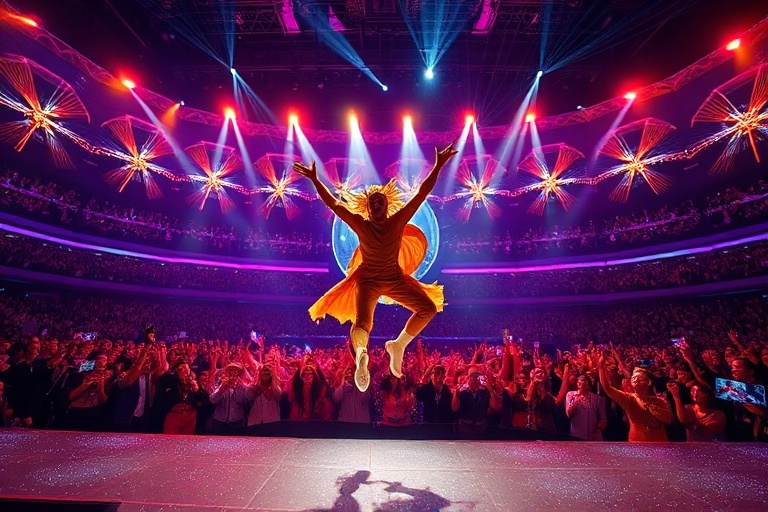
Every year, a pop culture phenomenon unlike any other takes center stage on the global platform. Eurovision isn’t just a music competition—it’s a cultural bridge, a political canvas, and a stage where creativity meets spectacle. As anticipation builds for Eurovision 2026, the contest continues to evolve, reflecting shifting global tastes, technological innovations, and the unrelenting power of music to bring people together.
The 2026 edition is already generating buzz not only for its potential musical breakthroughs but for how it will navigate the challenges of modern broadcasting, audience engagement, and international representation. With over 60 years of history, Eurovision has grown from a small European gathering into a worldwide event watched by millions across six continents. What started as a post-war cultural initiative has transformed into a complex, high-stakes spectacle where nations compete not just with songs, but with stories, identities, and global influence.
The Global Stage: Why Eurovision 2026 Matters More Than Ever
Eurovision has long transcended its European origins. In 2026, countries from Australia to Israel, and even potential newcomers like Kazakhstan, are expected to participate. The contest’s expansion reflects a broader cultural shift: music as a universal language that can transcend borders, even when politics cannot. Each year, Eurovision becomes a rare space where national pride and international collaboration coexist—often in the same performance.
In 2026, the contest will take place in a world where streaming platforms have democratized music discovery, yet live, communal viewing remains a powerful ritual. For many fans, Eurovision isn’t just background entertainment—it’s appointment television, a shared experience that unites families, friends, and even strangers in front of screens and on social media. The event’s ability to foster real-time global connection sets it apart from other awards shows or competitions.
Moreover, Eurovision has become a platform for social commentary. From Ukraine’s 2022 performance symbolizing resistance to Russia’s ongoing exclusion due to its invasion, the contest has increasingly mirrored global tensions on stage. In 2026, all eyes will be on how the European Broadcasting Union (EBU) and participating nations balance artistic freedom with political neutrality—especially as new conflicts and diplomatic shifts emerge around the world.
What’s New for Eurovision 2026: Technology, Format, and Fan Power
The Eurovision format has remained remarkably consistent over decades, but behind the scenes, innovation is accelerating. For 2026, the EBU has announced several key changes designed to enhance both the live experience and global accessibility.
- Immersive Viewing Options: Building on the success of 2025’s experimental 360-degree camera feeds, Eurovision 2026 will offer enhanced augmented reality (AR) overlays during the live broadcast. Fans will be able to customize their viewing experience, choosing between traditional camera angles, stage-level AR visuals, or even AI-generated lyric translations in real time.
- Fan Voting Goes Deeper: The jury-vs-public split will remain, but for the first time, fans will be able to influence the semi-final lineups through a pre-vote poll on the official Eurovision app. This shift reflects growing fan demand for more direct participation in the contest’s structure.
- Sustainability on Stage: In response to environmental concerns, the 2026 host city will be selected not only for its cultural fit but for its commitment to carbon-neutral event hosting. Stage design will prioritize recycled materials, and local sourcing will be mandatory—setting a new standard for international events.
Another major innovation is the introduction of a “Wildcard Round” in the weeks leading up to the final. This online-only showcase will feature under-the-radar artists from non-participating countries, selected through global fan voting. While not officially part of the competition, the Wildcard Round aims to spotlight fresh talent and potentially influence future Eurovision entries.
The host broadcaster is also experimenting with a hybrid live-and-virtual format, allowing international artists to perform remotely via holographic projection—a nod to both technological possibility and the ongoing impact of the COVID-19 pandemic on live events.
The Musical Landscape: Who’s Poised to Shine in 2026?
Predicting Eurovision winners is notoriously difficult, but the 2026 edition is already shaping up to be one of the most diverse in years. From operatic pop to electronic folk, the musical styles on display will reflect a globalized soundscape where tradition meets innovation.
Several countries are rumored to be fielding high-profile acts. Sweden, long a Eurovision powerhouse, has hinted at a return to its iconic synth-pop roots with a potential entry from a former ABBA collaborator. Meanwhile, Italy is reportedly considering a tribute to its rich operatic heritage, blending classical vocals with modern production.
Outside Europe, Australia continues to push boundaries with immersive stage shows, and Israel may bring a politically resonant performance following its 2018 and 2024 successes. The contest’s expansion also means debuts from nations like Georgia and Armenia, each bringing distinct cultural sounds to the stage.
One trend to watch: the rise of “Eurovision-style” pop—songs designed specifically for the contest’s dramatic format, with soaring choruses, theatrical staging, and lyrics that resonate across languages. These tracks often prioritize emotional delivery over linguistic clarity, making them accessible to a global audience.
“Eurovision isn’t about perfect vocal technique—it’s about connection. The best entries feel like a handshake across continents, a moment of shared humanity in a divided world.”
— Music critic and Eurovision analyst, Leila Moreau
Beyond the Song: The Cultural Ripple Effect of Eurovision 2026
Eurovision’s influence extends far beyond the three-minute performances. The contest has become a catalyst for tourism, economic growth, and national branding. Host cities often see a surge in visitors during and after the event, with many travelers extending their trips to explore local culture. In 2026, the chosen host city will not only gain international exposure but will also have the chance to showcase its unique identity on a global stage.
For participating countries, Eurovision offers a rare opportunity to present a curated version of national identity—one that emphasizes creativity, diversity, and modernity. Countries like Ireland and Finland have used Eurovision to rebrand themselves as cultural innovators, attracting artists, investors, and tourists alike. In 2026, nations will once again compete not just for the trophy, but for the narrative they can build around their entry.
Social media continues to amplify Eurovision’s reach. Hashtags, memes, and fan theories spread within minutes of each performance, turning the contest into a real-time cultural event. The 2026 edition will likely see even greater integration of fan-generated content, with the EBU encouraging audiences to remix official clips and share their own takes on the performances.
Eurovision also plays a role in education and diplomacy. Schools across Europe use the contest to teach geography, language, and cultural studies. Meanwhile, cultural exchanges between participating countries often flourish during Eurovision season, as artists, journalists, and fans connect in person.
The Politics of Participation
Eurovision has always walked a fine line between art and politics. The EBU’s rules prohibit overtly political lyrics or messaging, but performances often carry subtle—and sometimes not-so-subtle—meanings. In 2026, the contest will face renewed scrutiny over which countries are allowed to participate, particularly in light of ongoing conflicts and sanctions.
The EBU has maintained a strict policy of excluding countries that violate human rights or international law, but debates persist over where to draw the line. As geopolitical tensions rise, Eurovision may once again become a battleground for diplomatic expression, where symbols on stage speak louder than words.
Meanwhile, calls for greater inclusivity continue to grow. Advocacy groups are pushing for better representation of LGBTQ+ artists, disabled performers, and artists from marginalized communities. In 2026, the contest will be under pressure to reflect the diversity of its global audience—not just on stage, but behind the scenes in production teams and juries.
Looking Ahead: The Future of Eurovision
As Eurovision approaches its 70th anniversary, its future seems both secure and uncertain. The contest faces challenges from rising production costs to competition from other global events. Yet its ability to adapt—to embrace technology, expand its reach, and reflect the world’s changing values—has kept it relevant across generations.
For many, Eurovision represents more than a competition. It’s a weekly ritual for fans who tune in year-round to watch country selections, follow fan clubs, and debate the merits of every potential entry. It’s a training ground for emerging artists and a proving ground for production teams. And for millions, it’s a reminder that music can still unite us, even when everything else divides us.
As the world prepares for Eurovision 2026, one thing is clear: this contest will once again prove that when it comes to music, borders are just suggestions. The stage is set. The lights are rising. And the world will be watching.
For more on the cultural impact of global music events, visit our Culture section. To explore how technology is transforming live performances, check out our Technology coverage.