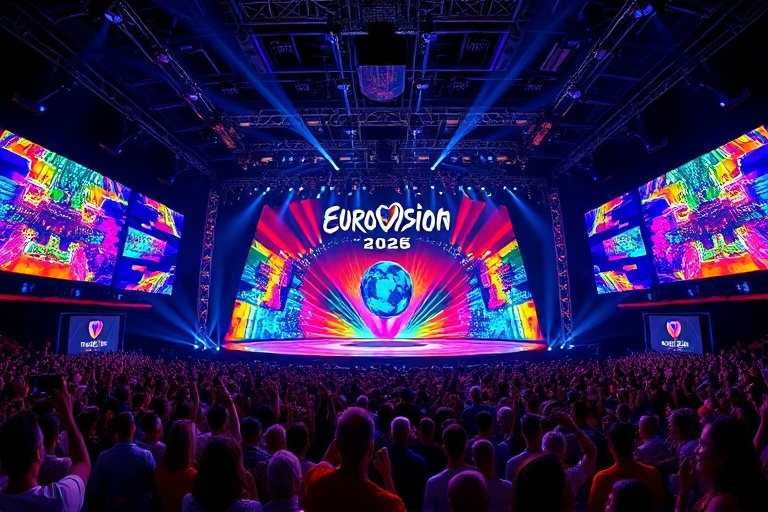
As the Eurovision Song Contest continues to evolve, the 2026 edition promises to bring fresh energy, new challenges, and potential shifts in the competition’s longstanding traditions. With preparations already underway, broadcasters and fans alike are speculating about what the next chapter might hold.
This year’s contest in Malmö, Sweden, set a high bar for production quality and audience engagement, but Eurovision 2026 could introduce even bolder innovations. From potential changes in voting systems to new participating countries, the contest remains a dynamic event that reflects both cultural shifts and technological advancements.
The Road to Eurovision 2026: Key Developments
Eurovision’s governing body, the European Broadcasting Union (EBU), has been quietly refining the contest’s framework for years. For 2026, several key areas are under discussion, including participation rules, voting mechanisms, and stage production.
The EBU has not yet confirmed major structural changes, but insiders suggest that sustainability and digital engagement will play larger roles. Last year’s contest in Malmö emphasized eco-friendly practices, and this trend is likely to continue. Additionally, the EBU has hinted at experiments with hybrid voting models, blending jury and public votes in new ways to enhance fairness.
Another topic of debate is the potential expansion of the participating countries. Eurovision has grown from 23 entries in 2000 to over 30 today, but some broadcasters argue for further inclusivity. Countries like Kosovo and Kazakhstan have expressed interest, though their participation hinges on EBU approval and political considerations.
Potential Changes on the Horizon
While nothing is set in stone, several proposed adjustments could shape Eurovision 2026:
- Voting System Reforms: The EBU may introduce adjustments to prevent jury voting imbalances, possibly incorporating more transparent scoring or real-time audience feedback.
- Sustainability Initiatives: Expect even stricter environmental policies, from reduced travel emissions to carbon-neutral stage designs.
- New Participating Countries: Kosovo and Kazakhstan remain top contenders for inclusion, pending EBU negotiations.
- Technological Enhancements: Augmented reality (AR) and virtual reality (VR) could play a role in fan engagement, allowing viewers to experience the contest in immersive ways.
How Eurovision 2026 Could Reflect Broader Trends
Eurovision has always been more than just a music competition—it’s a cultural barometer. In 2026, the contest may mirror several global trends, from the rise of AI-generated music to the increasing influence of social media on entertainment.
Artificial intelligence is already making waves in songwriting and production, and Eurovision could see its first AI-assisted entry in the near future. While this raises ethical questions, it also highlights the contest’s role as a platform for experimental music.
Social media continues to shape Eurovision’s reach. Last year’s contest saw record-breaking online engagement, with fans dissecting performances in real time. For 2026, the EBU may further integrate platforms like TikTok and Instagram into the contest’s promotional strategy, ensuring that viral moments drive viewership.
Geopolitical factors also loom large. Eurovision has long been a neutral space where countries compete regardless of political tensions. However, as global conflicts persist, the contest’s ability to maintain this balance will be tested. The EBU’s decision-making process will be closely watched to ensure fairness and inclusivity.
What Fans Can Look Forward To
For viewers, Eurovision 2026 offers plenty of excitement. The host country will play a crucial role in setting the tone, with Sweden’s reputation for innovation making it a strong candidate. Past hosts like Italy and the UK have brought their own flair, but Sweden’s emphasis on sustainability and artistic freedom could make it a standout.
Musically, the contest remains unpredictable. While pop and dance dominate, recent years have seen a resurgence of folk, electronic, and even metal influences. 2026 could introduce fresh genres, reflecting the diverse tastes of Europe’s audiences.
Fans should also expect surprises. Eurovision thrives on the unexpected—whether it’s a last-minute withdrawal, a viral performance, or a dramatic voting twist. The unpredictability is part of the contest’s charm.
Tips for Following Eurovision 2026
To stay ahead of the curve, consider these strategies:
- Monitor EBU announcements for official updates on voting changes and participating countries.
- Follow Eurovision-related social media accounts for early leaks and fan theories.
- Explore past winners and trends to spot emerging patterns in music and performance styles.
- Engage with fan communities to discuss predictions and controversies before the contest.
The road to Eurovision 2026 is still unfolding, but one thing is certain: the contest will continue to captivate audiences with its blend of spectacle, controversy, and music. Whether through innovation or tradition, Eurovision remains a unique celebration of European culture—and beyond.
For more insights into Eurovision’s history and cultural impact, visit our Music and Entertainment sections.
Conclusion
Eurovision 2026 stands at the intersection of tradition and transformation. As the contest adapts to new technologies, political realities, and audience expectations, it remains a vital platform for artistic expression. Whether you’re a lifelong fan or a casual observer, the 2026 edition promises to deliver moments of joy, surprise, and perhaps even controversy—all hallmarks of Eurovision’s enduring appeal.