Understanding Extreme Heat Watches: Risks and Preparations
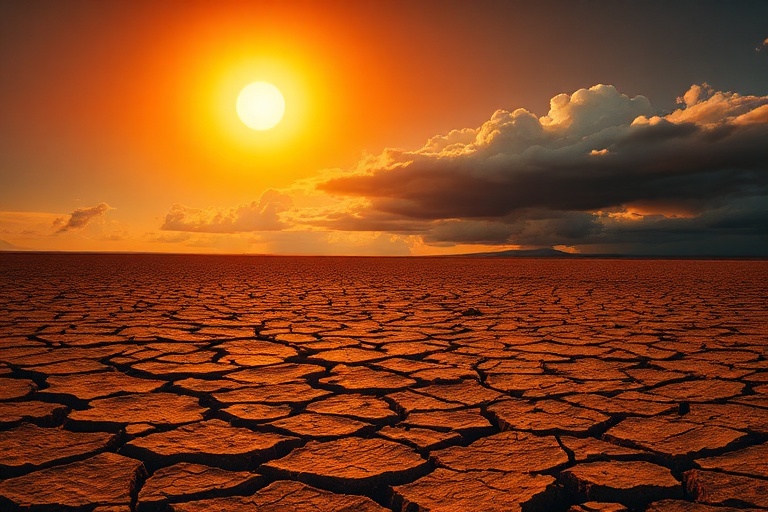
The National Weather Service recently issued an extreme heat watch for multiple regions across the United States, signaling dangerously high temperatures expected to persist for several days. These alerts serve as early warnings, urging residents to prepare for life-threatening conditions. While extreme heat might seem like a temporary inconvenience, it poses severe risks to public health, infrastructure, and daily life.
Globally, extreme heat events are becoming more frequent and intense due to climate change. Cities like Phoenix, Delhi, and Madrid have already faced record-breaking temperatures, forcing governments to adapt emergency response strategies. The challenge lies not only in managing immediate threats but also in addressing long-term vulnerabilities in urban planning and public health systems.
The Science Behind Extreme Heat Watches
Extreme heat watches are issued when conditions are favorable for dangerously high temperatures within 24 to 72 hours. Unlike heat advisories, which warn of less severe heat, watches indicate a higher risk of heat-related illnesses. Meteorologists consider factors such as humidity, overnight lows, and historical temperature records before issuing these alerts.
The body’s ability to regulate temperature diminishes when exposed to prolonged heat. Vulnerable populations—including the elderly, children, and those with preexisting medical conditions—face the highest risks. Without adequate hydration and cooling measures, heat exhaustion can escalate to heatstroke, a life-threatening condition.
Recent studies highlight how urban areas amplify heat due to the urban heat island effect. Concrete, asphalt, and lack of greenery trap heat, creating microclimates that can be 5–10°F warmer than surrounding rural areas. This phenomenon disproportionately affects low-income neighborhoods, where access to air conditioning and shade is limited.
Global Perspectives on Extreme Heat
Extreme heat is not confined to any single region. In South Asia, heatwaves have disrupted agriculture, strained electricity grids, and contributed to thousands of deaths annually. India and Pakistan recorded temperatures exceeding 120°F in 2023, prompting authorities to declare public health emergencies. Meanwhile, Europe has seen a rise in heat-related fatalities, particularly among older adults in countries like France and Italy.
In the Middle East, cities such as Dubai and Riyadh are implementing innovative solutions to combat extreme heat. Reflective building materials, expanded green spaces, and public cooling centers are becoming standard features in urban design. These adaptations offer lessons for other regions grappling with rising temperatures.
Cultural attitudes toward heat also play a role in how communities respond. In some Mediterranean cultures, siestas and shaded outdoor gatherings are traditional ways to avoid peak heat. However, modern urbanization has eroded these practices, leaving many without built-in protections. Recognizing and preserving cultural adaptations can inform more resilient urban planning.
Preparing for Extreme Heat: Practical Steps
Governments and individuals alike must take proactive measures to mitigate the effects of extreme heat. Public health campaigns often emphasize hydration, but other strategies are equally critical.
- Stay informed: Monitor local weather updates and heed advice from meteorological agencies. Sign up for emergency alerts to receive timely notifications.
- Create cooling spaces: If air conditioning is unavailable, seek out libraries, community centers, or malls during peak heat hours. Even a few hours in a cooler environment can reduce health risks.
- Adjust outdoor activities: Schedule workouts or errands for early morning or late evening. Wear lightweight, light-colored clothing and use wide-brimmed hats for sun protection.
- Check on neighbors: Extreme heat disproportionately affects isolated or elderly individuals. A quick phone call or visit can save a life.
- Prepare your home: Use blackout curtains to block sunlight, install reflective window film, and ensure ventilation systems are functioning properly.
For those in outdoor professions, such as construction or agriculture, employers must provide shaded rest areas and mandatory hydration breaks. Cities like Los Angeles and Barcelona have pioneered “cool roofs” and misting stations in public spaces, proving that infrastructure upgrades can save lives.
The Role of Policy in Heat Mitigation
Addressing extreme heat requires coordinated efforts between governments, businesses, and communities. Policies that prioritize climate resilience can reduce future risks. For example, the European Union’s Heat-Health Action Plans have successfully lowered mortality rates during heatwaves by implementing early warning systems and targeted interventions for high-risk groups.
In the United States, the National Integrated Heat Health Information System (NIHHIS) collaborates with local agencies to develop heat preparedness strategies. These include mapping heat-vulnerable neighborhoods and investing in green infrastructure to combat the urban heat island effect.
However, policy alone is not enough. Public awareness campaigns must accompany these initiatives to ensure widespread adoption of protective measures. Schools and workplaces should integrate heat safety education into their emergency preparedness programs, fostering a culture of resilience.
Conclusion: Adapting to a Hotter Future
Extreme heat watches are more than just weather alerts—they are urgent reminders of our changing climate. As temperatures rise, communities must adapt by improving infrastructure, adopting cultural practices that promote cooling, and prioritizing vulnerable populations. The actions taken today will determine how well society withstands the heatwaves of tomorrow.
While no single solution can eliminate the risks of extreme heat, a combination of innovation, policy, and community engagement offers a path forward. By staying informed, preparing homes and workplaces, and supporting systemic changes, individuals and governments can turn these warnings into opportunities for resilience.