Eintracht Frankfurt and VfB Stuttgart: Two Clubs with Divergent Paths
In the Bundesliga’s ever-shifting landscape, Eintracht Frankfurt and VfB Stuttgart represent two distinct trajectories. Frankfurt, the 2022 Europa League champions, has balanced European ambition with domestic inconsistency. Stuttgart, meanwhile, has oscillated between relegation battles and surprise title challenges, embodying the league’s unpredictability. Their matchups are more than regional rivalries; they reflect broader themes in modern football—financial disparity, tactical evolution, and the globalization of the sport.
Founded in 1899, Frankfurt’s history is marked by underdog triumphs, from their pre-war dominance to their Europa League victory under Oliver Glasner. Stuttgart, established in 1893, carries the legacy of three Bundesliga titles and a youth academy that has produced stars like Sami Khedira and Timo Werner. Yet, their recent encounters have been defined by tactical chess matches rather than historic narratives. Frankfurt’s pressing style under Dino Toppmöller clashes with Stuttgart’s fluid, possession-based approach under Sebastian Hoeneß, creating a tactical spectacle that transcends the Rhine-Neckar and Stuttgart regions.
The Globalization of Bundesliga Rivalries
German football’s appeal has grown far beyond its borders, thanks to strategic marketing, international broadcasts, and the rise of players like Randal Kolo Muani (France) and Silas Katompa Mvumpa (DR Congo) in Frankfurt’s ranks. Stuttgart, with its diverse squad including Japanese midfielder Atsuki Ito and American defender Chris Richards, reflects the Bundesliga’s global footprint. These clubs are not just German entities; they are franchises with international fanbases, merchandise sales, and digital engagement.
The rivalry between Frankfurt and Stuttgart is no longer confined to the pitch. It plays out in social media campaigns, with both clubs leveraging platforms like TikTok to engage younger audiences. Frankfurt’s Europa League success has amplified their global profile, while Stuttgart’s resilience in the face of financial constraints has earned them admiration in football circles. Their clashes are watched not only in Germany but in markets like the U.S., China, and the Middle East, where Bundesliga’s accessibility has expanded.
This globalization raises questions about cultural identity in football. For Frankfurt, a city with a strong immigrant community, the club serves as a unifying force. Stuttgart, with its automotive industry ties and expatriate population, mirrors the city’s cosmopolitan nature. Their rivalry, therefore, is a microcosm of how football adapts to multicultural societies while retaining local roots.
Key Matchups and Tactical Battles
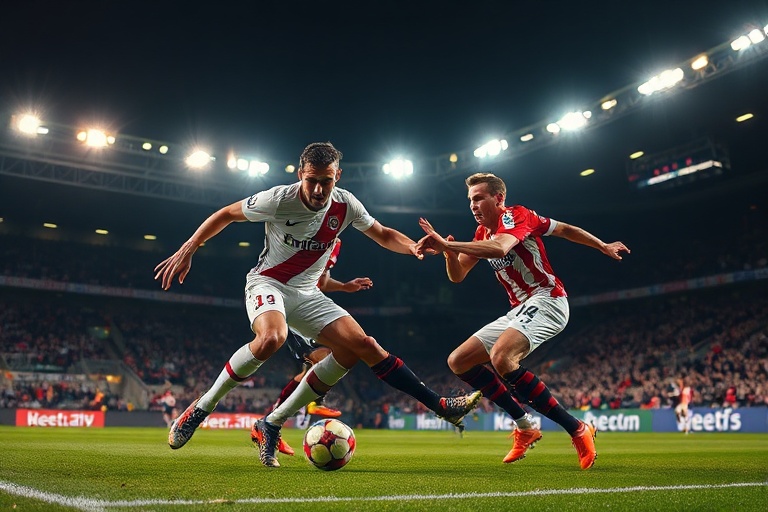
When Frankfurt and Stuttgart face off, the tactical nuances often decide the outcome. Frankfurt’s high-intensity pressing, led by players like Mario Götze, aims to disrupt Stuttgart’s buildup play. Stuttgart, meanwhile, relies on quick transitions and wide play, with wingers like Silas often exploiting spaces behind Frankfurt’s fullbacks.
Historically, Frankfurt has had the upper hand in recent years, but Stuttgart’s home record at the Mercedes-Benz Arena has been formidable. Below are key tactical elements from their last five encounters:
- Possession Battle: Stuttgart averaged 52% possession in these matches, reflecting their preference for controlling tempo.
- Pressing Triggers: Frankfurt’s forwards, including Omar Marmoush, often press Stuttgart’s center-backs, forcing errors in the build-up phase.
- Set-Piece Danger: Both teams have scored directly from corners, with Stuttgart’s Aleksandar Pavlović and Frankfurt’s Willian Pacho posing aerial threats.
- Midfield Duel: The matchups between Frankfurt’s Kristijan Jakić and Stuttgart’s Enzo Millot have been pivotal, with Jakić’s defensive discipline often neutralizing Millot’s creativity.
The Economic Divide and Its Impact
Financially, the gap between Frankfurt and Stuttgart is stark. Frankfurt’s Europa League run brought in €50 million in prize money, while Stuttgart’s recent investments in young talent have kept their wage bill relatively low. This disparity influences their transfer strategies—Frankfurt can afford marquee signings, while Stuttgart relies on astute scouting and development.
The Bundesliga’s 50+1 rule, which grants fans significant control over club decisions, adds another layer to this dynamic. Frankfurt’s fan-owned structure has fueled their European adventures, while Stuttgart’s commercial partnerships (like their deal with Porsche) provide financial stability. This contrast highlights how different ownership models shape a club’s trajectory.
Globally, this divide resonates with fans in leagues like England’s Championship or Italy’s Serie B, where financial constraints often dictate success. Frankfurt and Stuttgart’s approaches offer a blueprint for clubs aiming to compete both domestically and in Europe without overspending.
Cultural Significance Beyond the Pitch
Football in Germany is deeply intertwined with local culture, and Frankfurt vs. Stuttgart embodies this connection. Frankfurt, a financial hub, contrasts with Stuttgart’s industrial identity, yet both cities share a passion for their clubs. The matches are cultural events—Frankfurt’s fan culture is vibrant and politically engaged, while Stuttgart’s ultras are known for their choreographies and regional pride.
These encounters also reflect broader societal trends. Frankfurt’s diverse squad mirrors the city’s immigrant population, while Stuttgart’s emphasis on youth development aligns with Germany’s reputation for technical excellence. The rivalry, therefore, is not just about points; it’s about identity, ambition, and the role of football in shaping communities.
For global fans, these matches offer a glimpse into Germany’s footballing soul. Whether it’s Frankfurt’s European flair or Stuttgart’s gritty determination, these clubs represent the Bundesliga’s diversity and depth.
Conclusion: A Rivalry with Global Implications
Eintracht Frankfurt vs. VfB Stuttgart is more than a Bundesliga fixture; it’s a reflection of modern football’s complexities. From tactical battles to financial disparities, cultural identities to global appeal, these clubs encapsulate the Bundesliga’s evolution. For fans, it’s a chance to witness two distinct philosophies collide. For the sport, it’s a reminder that football’s beauty lies in its unpredictability and diversity.
As the Bundesliga continues to grow on the world stage, matches like these will only gain significance. They are not just about winning points—they’re about shaping the future of football.
For more insights into Bundesliga rivalries and their global impact, explore our Sports section, where we break down the cultural and tactical nuances of Europe’s top leagues.