Hartlepool: A Coastal Town with Global Connections and Local Resilience
Hartlepool: A Coastal Town with Global Connections
Hartlepool stands as a testament to the enduring spirit of northern England’s industrial heritage, yet its influence stretches far beyond the shores of the North Sea. With a history rooted in shipbuilding and fishing, the town has evolved into a cultural crossroads where local identity merges with global narratives. From its medieval origins to its role in modern maritime trade, Hartlepool’s story is one of resilience, adaptation, and unexpected connections to the wider world.
The town’s name itself hints at its layered past. Derived from Old English, “Heorot” (hart or stag) and “pol” (pool or stream), Hartlepool suggests a landscape once teeming with wildlife. By the 7th century, the area became a strategic Viking stronghold, later transitioning into a Norman settlement. Its harbor, one of the oldest in England, has been a silent witness to centuries of trade, conflict, and cultural exchange. Today, Hartlepool’s port remains a vital artery for the region, handling millions of tons of cargo annually and linking the UK to markets across Europe and beyond.
The Maritime Legacy of Hartlepool
Shipbuilding and fishing have long defined Hartlepool’s economic and social fabric. In the 19th century, the town became a powerhouse of industrial shipbuilding, producing vessels that sailed the globe. The famous Hartlepool Monkey, a local legend born during the Napoleonic Wars, reflects the town’s maritime folklore—a tale of mistaken identity and wartime tensions that still resonates in local culture. The story of a monkey dressed in a French soldier’s uniform, hanged by panicked townsfolk who mistook it for an enemy spy, has been retold as both a cautionary tale and a symbol of Hartlepool’s defiant humor.
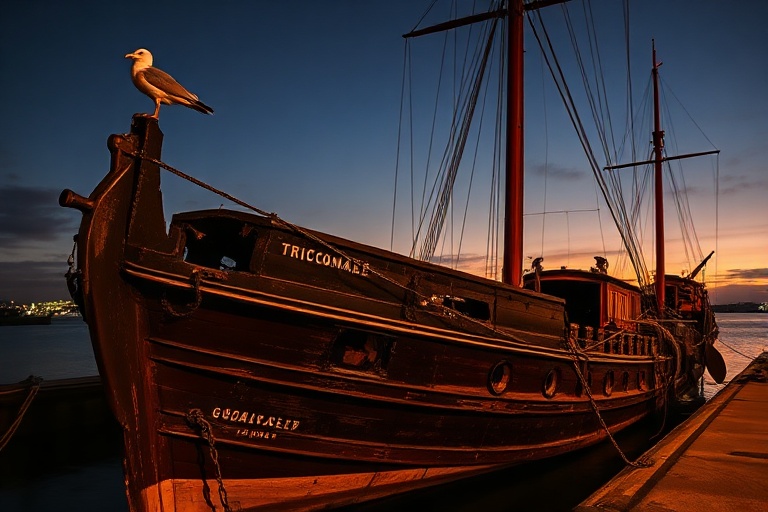
The decline of traditional industries in the late 20th century posed significant challenges, but Hartlepool’s maritime heritage has found new life through regeneration efforts. The Hartlepool Waterfront now hosts attractions like the historic HMS Trincomalee, the oldest British warship still afloat, and the National Museum of the Royal Navy. These sites draw visitors from across the UK and beyond, offering a glimpse into the town’s seafaring past while celebrating its role in naval history. The regeneration of the marina and the introduction of cultural festivals have further cemented Hartlepool’s reputation as a destination for heritage tourism.
Hartlepool in the Global Economy
Beyond its historical ties to shipping, Hartlepool plays a niche but significant role in the global economy. The town’s port is a key hub for the automotive industry, handling imported vehicles from Europe and beyond. It also serves as a critical entry point for renewable energy components, particularly those destined for offshore wind farms in the North Sea. This positions Hartlepool at the intersection of traditional industry and the green energy revolution, a duality that mirrors broader economic trends.
The town’s economic connections extend to education and innovation as well. Hartlepool College of Further Education has become a regional leader in advanced manufacturing and engineering training, collaborating with multinational companies to develop skills that align with global industry demands. Meanwhile, local startups in technology and creative industries are beginning to carve out their own niche, leveraging Hartlepool’s affordable workspace and growing digital infrastructure. These developments reflect a broader shift in the UK’s economic landscape, where smaller towns are increasingly becoming incubators for niche industries.
Cultural Identity and Global Influences
Hartlepool’s cultural identity is a tapestry woven from local traditions and global influences. The town’s diverse communities, including significant Polish and South Asian populations, have enriched its social fabric. Festivals like the Hartlepool Pride and the annual Maritime Festival celebrate this diversity, blending local customs with international themes. The presence of these communities also highlights the town’s role as a microcosm of broader migration patterns, where global movements shape local life in tangible ways.
Music and the arts have also played a pivotal role in defining Hartlepool’s cultural footprint. The town has produced notable musicians, including members of the band Maxïmo Park, whose indie rock sound gained international acclaim in the 2000s. Local venues like the Hartlepool Arts Centre provide platforms for emerging artists, fostering a creative scene that resonates far beyond the town’s borders. Meanwhile, Hartlepool’s literary connections—such as the poet Geoffrey Chaucer’s brief stay in the area—add a layer of historical depth to its cultural narrative.
The town’s culinary scene offers another lens through which to view its global connections. Hartlepool’s traditional dishes, like the Hartlepool “Singing Hinnies” (a type of griddle scone), coexist with international cuisines brought by its diverse communities. The rise of food festivals, such as the Hartlepool Food & Drink Festival, showcases this blend of local and global flavors, attracting visitors from neighboring regions and beyond.
The Future of Hartlepool: Challenges and Opportunities
Like many post-industrial towns, Hartlepool faces a complex set of challenges as it navigates the 21st century. Economic inequality, youth outmigration, and the lingering effects of industrial decline are persistent issues. However, the town’s strategic location, growing cultural scene, and investments in renewable energy present opportunities for reinvention. Initiatives like the Hartlepool Enterprise Zone aim to attract new businesses, while community-led projects focus on revitalizing the town center and improving digital connectivity.
One of the most promising developments is Hartlepool’s embrace of sustainable tourism. The town’s coastal walks, historic sites, and burgeoning arts scene offer a compelling alternative to more congested tourist destinations. By leveraging its unique heritage and natural assets, Hartlepool could position itself as a model for sustainable regeneration in coastal communities. The success of such efforts will depend on balancing economic growth with the preservation of its cultural identity—a challenge that many towns around the world are grappling with.
The global perspective on Hartlepool reveals a town that is both deeply rooted in its past and dynamically evolving. Its story is not just one of industrial decline or maritime tradition, but of adaptation and resilience. As the world grapples with economic shifts, climate change, and cultural transformation, Hartlepool’s journey offers valuable lessons in how communities can reinvent themselves while staying true to their core identity.
Why Hartlepool Matters Beyond Its Shores
Hartlepool’s significance extends beyond its geographical boundaries. Its experiences reflect broader global trends, from the decline of traditional industries to the rise of renewable energy and cultural diversity. The town’s ability to reinvent itself serves as a case study for other communities facing similar challenges. Moreover, Hartlepool’s cultural contributions—whether through music, literature, or cuisine—highlight the ways in which local identities can enrich the global tapestry.
For visitors and investors alike, Hartlepool offers a compelling blend of history, innovation, and authenticity. It is a place where the past is not merely preserved but actively engaged with, where the challenges of the present are met with creativity, and where the future is approached with cautious optimism. In an era where many towns struggle to find their place in a rapidly changing world, Hartlepool stands as a reminder that identity and resilience are not mutually exclusive—they can, in fact, be the foundation for a vibrant and dynamic future.