Hibernian vs Motherwell: A Scottish Football Clash with Global Echoes
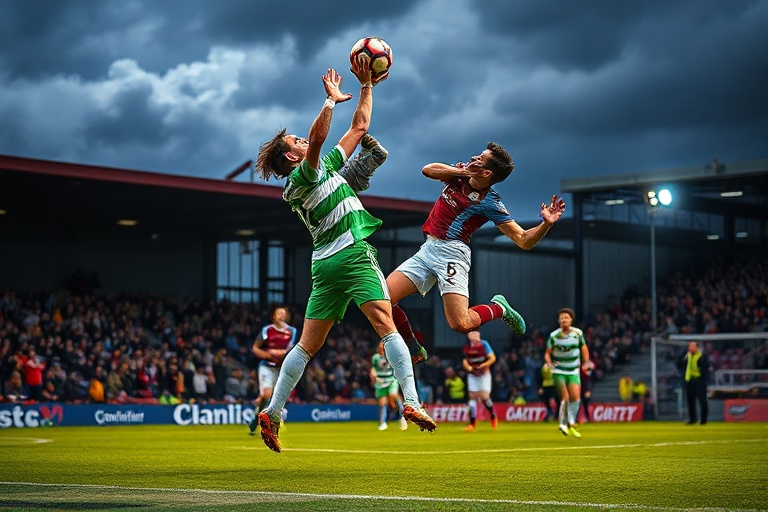
The fixture between Hibernian and Motherwell is more than just a Scottish Premiership match. It represents a clash of footballing philosophies, regional identities, and the enduring appeal of lower-league drama on the European stage. While giants like Celtic and Rangers dominate headlines, these mid-table battles often reveal the raw, unfiltered heart of Scottish football.
Hibernian, based in Edinburgh, carry the legacy of Irish-Scots heritage, a cultural thread woven into their 1875 founding. Motherwell, from the industrial heartland of North Lanarkshire, embody a different tradition—one rooted in steelworkers’ clubs and working-class resilience. Their meetings are not just about points; they are about pride, history, and the subtle ways football reflects broader social narratives.
The Clubs: Beyond the Pitch
Hibernian FC was established by Irish immigrants seeking community and identity in a new land. Their green and white stripes are not just colors; they are symbols of diaspora and belonging. The club’s anthem, Glory, Glory to Hibernian, echoes the chants of working-class supporters who have passed down loyalty through generations.
Motherwell FC, by contrast, emerged from the furnaces of the steel industry. Founded in 1886, the club became a beacon for local workers seeking recreation and camaraderie. The town of Motherwell itself was a product of the Industrial Revolution, and the football club became an extension of that identity. Their claret and amber colors reflect the grit and determination of a community built on labor.
These cultural foundations shape how each club approaches the game. Hibernian often leans into technical, possession-based football, mirroring the cosmopolitan vibe of Edinburgh. Motherwell, meanwhile, has built its reputation on physicality and direct play—a reflection of its industrial roots. When they meet, the clash is as much philosophical as it is tactical.
The Tactical Divide: Style and Strategy
Analyzing Hibernian’s approach, one notices a blend of modern pressing and structured build-up. Under managers like Lee Johnson, the club has emphasized high-intensity football, with wingers stretching play and midfielders dictating tempo. This style aligns with the global trend of “possession with purpose,” a philosophy popularized by clubs like Liverpool and Manchester City.
Motherwell, under the guidance of Stephen Robinson, often opts for a more pragmatic system. Their 3-5-2 formation prioritizes defensive solidity and quick transitions. The club has a history of nurturing young talent and selling them at a premium—a model reminiscent of clubs like Ajax and Benfica in European football. This strategy ensures they remain competitive despite financial constraints.
The tactical battle between these two sides is a microcosm of global football trends. Hibernian represents the globalized, analytics-driven approach, while Motherwell embodies the traditional, resourceful model. When they face off, it’s not just about who scores more goals; it’s about which philosophy will prevail in the moment.
Key Moments in Their Rivalry
The rivalry between Hibernian and Motherwell is not as storied as the Old Firm derby, but it has produced its share of dramatic encounters. Here are a few defining moments:
- 2016 Scottish Cup Semi-Final: Hibernian defeated Motherwell 3-2 in a thrilling match, with Anthony Stokes scoring a late winner. The victory propelled Hibs to the final, where they would eventually lift the trophy—a rare highlight in a period of struggle.
- 2019 Premiership Clash: Motherwell secured a 2-1 win at Easter Road, with a late header from Scott McDonald sealing the points. The result highlighted Motherwell’s resilience and Hibernian’s struggles under Paul Heckingbottom.
- 2021 League Cup Quarter-Final: A 2-0 victory for Hibernian in a tightly contested match. Liam Boyce and Martin Boyle were the scorers, showcasing Hibs’ attacking prowess in a competition they would go on to win.
- 2023 Premiership Meeting: A 1-1 draw at Fir Park, with Hibs’ Jordan Obita equalizing in stoppage time. The result underlined the unpredictability of the fixture and Motherwell’s ability to grind out results.
These moments are more than just statistics; they are chapters in a rivalry that, while not as celebrated as others, carries deep meaning for the communities involved. For fans, these matches are opportunities to assert local pride and challenge the dominance of bigger clubs.
The Global Context: Scottish Football’s Place in the World
Scottish football, often overshadowed by the glamour of the English Premier League, plays a unique role in the global football ecosystem. Clubs like Hibernian and Motherwell serve as pathways for young talent, a tradition that aligns with the models of European academies. The Scottish Premiership may not be the richest league, but its competitive nature and emphasis on youth development make it a valuable proving ground.
Moreover, the cultural narratives embedded in these clubs resonate far beyond Scotland’s borders. Hibernian’s Irish-Scots identity speaks to diaspora communities worldwide, while Motherwell’s working-class ethos reflects a global tradition of football as a tool for social cohesion. In an era where football is increasingly commodified, these clubs remind us of the game’s deeper cultural significance.
For international fans, fixtures like Hibernian vs Motherwell offer a glimpse into the soul of Scottish football. They are a reminder that football is not just about trophies and transfers; it’s about identity, community, and the unscripted drama that emerges when two determined teams collide.
A Match That Matters
When Hibernian and Motherwell take to the field, they bring more than just players and tactics. They bring histories, cultures, and aspirations that transcend the ninety minutes of play. For the fans, it’s an opportunity to celebrate their heritage and challenge the status quo. For the players, it’s a chance to etch their names into the fabric of a rivalry that, while not glamorous, is undeniably meaningful.
In a footballing world dominated by financial power and global superstars, the Hibernian vs Motherwell fixture is a reminder of what makes the game special. It’s not about the size of the stadium or the depth of the squad; it’s about passion, pride, and the stories that unfold when two communities clash on the pitch.
As Scottish football continues to evolve, fixtures like this will remain a vital part of its identity. They are the heartbeat of a league that, despite its challenges, continues to produce moments of magic, drama, and unscripted brilliance. For fans of Hibernian and Motherwell, every meeting is a chance to write another chapter in a rivalry that is as much about culture as it is about football.