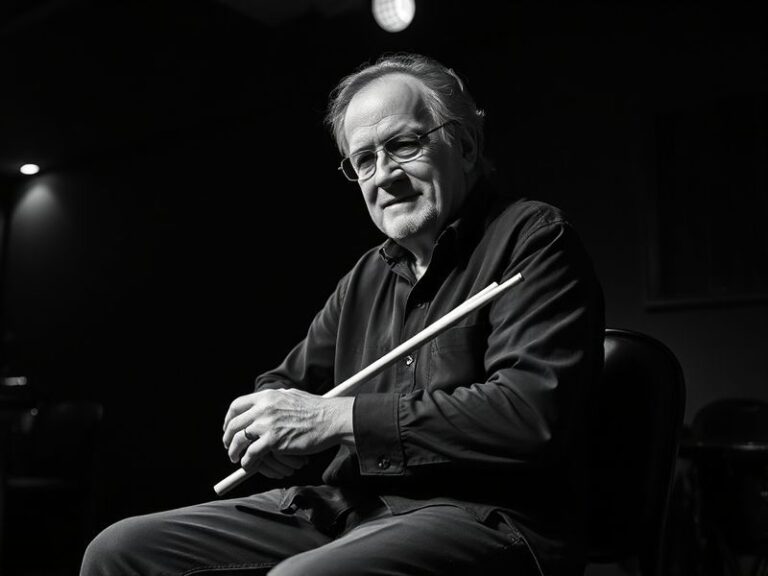
Hunter Davenport: Finance Turned Filmmaking Career Explained
Hunter Davenport’s name has become synonymous with versatility in creative industries. Trained in finance but driven by storytelling, Davenport transitioned from Wall Street to Hollywood, building a reputation as a filmmaker who blends technical precision with artistic vision. His work spans documentaries, commercials, and narrative films, each marked by meticulous attention to detail and an unrelenting pursuit of authenticity.
Davenport’s journey is more than a career shift—it’s a case study in how niche expertise can fuel innovation in unexpected fields. By leveraging his financial background, he approaches filmmaking with a unique perspective, often focusing on underrepresented stories and complex human experiences. This fusion of disciplines has not only shaped his artistic identity but also influenced how audiences engage with modern storytelling.
The Early Years: From Numbers to Narratives
Before stepping into the world of film, Hunter Davenport spent years analyzing markets, forecasting trends, and managing portfolios. His education in finance provided a foundation in logic, structure, and problem-solving—skills that would later define his filmmaking process. Yet, Davenport always harbored a passion for storytelling, a creative outlet that eventually took precedence.
The turning point came during his time in New York, where he immersed himself in the city’s vibrant arts scene. He began experimenting with short films and documentaries, using his financial acumen to fund projects independently. This period was less about abandoning his previous career and more about redefining its application. Davenport’s ability to analyze narratives through a financial lens—identifying gaps, assessing risks, and maximizing resources—became a defining trait in his creative work.
His early projects included experimental documentaries exploring socio-economic themes, a natural extension of his background. These films were raw, unfiltered, and rooted in reality, setting the stage for Davenport’s signature style: a blend of realism and deliberate artistry.
Filmmaking as a Form of Investigation
Davenport’s films often function as investigations, dissecting complex themes with the rigor of a financial audit. Whether examining the gig economy in Side Hustle Stories or the psychological toll of financial instability in Debt Diaries, his work prioritizes authenticity above spectacle. This approach has earned him recognition among critics and audiences who value substance over style.
One of his most acclaimed projects, The Last Ledger, a documentary about the collapse of a historic accounting firm, was praised for its nuanced portrayal of corporate failure. The film wasn’t just a critique of financial mismanagement; it was a human story about ambition, betrayal, and redemption. Davenport’s ability to humanize abstract concepts—like market fluctuations or regulatory failures—set his work apart in a crowded field of documentary filmmaking.
The director’s process is methodical. He immerses himself in research, often collaborating with experts to ensure accuracy. For Debt Diaries, he spent months interviewing individuals across socioeconomic backgrounds, crafting a narrative that was both personal and universally relatable. This commitment to authenticity resonates in an era where audiences are increasingly skeptical of performative storytelling.
The Role of Finance in Creative Storytelling
Davenport’s financial background isn’t just a footnote in his career—it’s a tool. He approaches filmmaking like a financial planner approaches a portfolio: with a focus on sustainability, scalability, and impact. This perspective has influenced how he structures projects, from budgeting to distribution strategies.
For instance, Davenport often opts for lean production models, maximizing resources without compromising quality. His commercial work for brands like Tech Innovators reflects this philosophy, blending narrative depth with commercial viability. This dual focus has made him a sought-after collaborator in both indie and mainstream circles.
The Broader Implications: Redefining Creative Careers
Hunter Davenport’s career is a testament to the value of interdisciplinary thinking. In an industry often segmented by rigid roles—finance, marketing, creative—Davenport’s work demonstrates how overlapping expertise can lead to groundbreaking results. His success challenges the notion that creative fields require pure artistic devotion, proving that technical skills can enhance rather than hinder artistic expression.
This trend is part of a larger movement where professionals are increasingly leveraging their unique backgrounds to innovate. Davenport’s story aligns with a growing recognition that unconventional career paths can lead to more dynamic and authentic work. For aspiring filmmakers, his journey underscores the importance of curiosity and adaptability—qualities that often matter more than rigid specialization.
Lessons for Aspiring Creatives
Davenport’s career offers several key takeaways for those looking to blend disciplines or pivot into creative fields:
- Leverage Your Unique Background: Davenport’s finance expertise became an asset in filmmaking, not a liability. Your past experiences can provide a fresh perspective in new industries.
- Prioritize Authenticity: Audiences today crave genuine stories. Davenport’s focus on realism over spectacle resonates because it feels true to life.
- Embrace Resourcefulness: Lean production models and independent funding can lead to creative freedom. Davenport’s early projects were self-funded, allowing him to maintain creative control.
- Collaborate Strategically: Partnering with experts in other fields can elevate your work. Davenport’s collaborations with financial analysts and psychologists added depth to his films.
- Stay Adaptable: The creative industry evolves rapidly. Davenport’s ability to pivot between documentaries, commercials, and narrative films kept his career dynamic and resilient.
The Future of Davenport’s Work
As Davenport continues to expand his body of work, his focus remains on stories that challenge perceptions and provoke thought. His next project, a narrative feature titled The Silent Auditor, explores the ethical dilemmas of whistleblowing in corporate environments. The film is poised to further cement his reputation as a filmmaker who doesn’t just entertain but also provokes meaningful discussion.
For Davenport, the intersection of finance and filmmaking isn’t just a career choice—it’s a philosophy. By approaching storytelling with the same rigor he once applied to financial models, he’s redefining what it means to be a modern creator. His work serves as a reminder that creativity isn’t confined to artistic disciplines alone; it’s a mindset that thrives on curiosity, precision, and the courage to explore the unconventional.
As industries continue to blur and traditional career paths evolve, Davenport’s journey offers a compelling blueprint for those willing to take risks and embrace complexity. Whether in film, business, or any creative pursuit, the ability to synthesize disparate ideas may well be the most valuable skill of all.