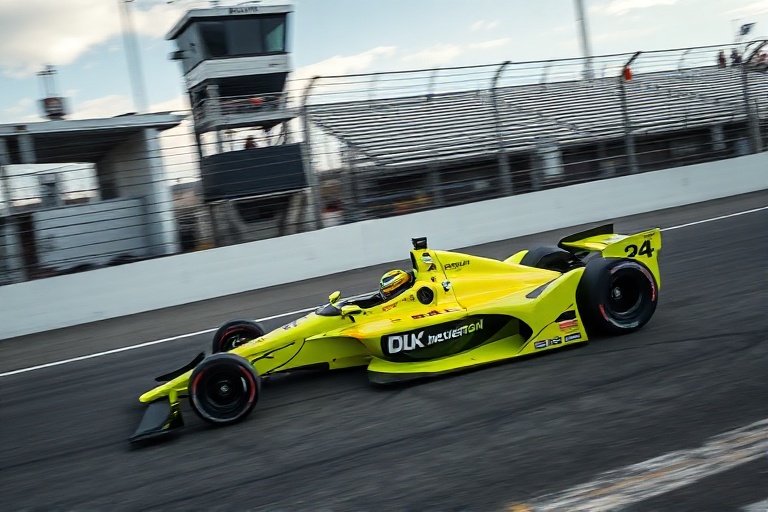
The Indianapolis 500 isn’t just a race—it’s a three-day spectacle where speed, strategy, and precision collide. Qualifying weekend sets the stage for the greatest spectacle in racing, transforming the Indianapolis Motor Speedway into a theater of tension, timing, and split-second decisions. For drivers, teams, and fans, the qualifying sessions are where dreams are made, shattered, or deferred until race day.
The Structure of Indy 500 Qualifying
Indy 500 qualifying follows a unique format that separates it from other motorsports events. The process begins with Practice Rounds, where drivers fine-tune their cars and teams gather crucial data. These sessions, held over the course of several days, allow teams to adjust chassis, engines, and aerodynamics while drivers acclimate to track conditions.
Once practice is complete, the focus shifts to Time Trials, the official qualifying sessions. The current format consists of three rounds:
- First Day (Saturday): Drivers make one warm-up lap followed by two full-speed laps. The fastest 12 drivers advance to the Fast Nine Shootout. The remaining positions are determined by the fastest times from the rest of the field.
- Second Day (Sunday): The Fast Nine compete in a shootout for the top starting positions. Drivers again complete one warm-up lap and two timed laps. The slowest of the nine is eliminated after each round until the final two drivers compete for the pole position.
- Bump Day (Saturday of the following week): Any driver who didn’t secure a spot during the first two days can attempt to qualify. The slowest cars are bumped out as faster drivers fill the field, creating a dramatic final day of qualifying.
The Psychology of Qualifying
Qualifying at the Indy 500 isn’t just about raw speed—it’s a mental chess match. Drivers must balance aggression with precision, knowing that a single mistake can cost them valuable track position. The pressure is immense, especially on Bump Day, when the field is nearly full and one slow lap can mean the difference between starting 33rd or driving away in the winner’s circle.
Teams play a critical role in this psychological battle. Engineers analyze real-time telemetry, adjusting suspension settings and tire pressures to shave milliseconds off lap times. Drivers, meanwhile, rely on their instincts, trusting their ability to hit the perfect racing line through Turns 1 and 3, where small errors can cascade into significant deficits.
For rookies, the experience can be overwhelming. The Indianapolis Motor Speedway is a cathedral of speed, and the noise from 33 cars at full throttle is a sensory overload. Veterans like Scott Dixon and Hélio Castroneves thrive under this pressure, but even seasoned drivers admit that the Indy 500 qualifying is unlike any other challenge in motorsports.
Records and Milestones in Indy 500 Qualifying
The Indy 500 has seen its share of historic moments during qualifying, from record-breaking speeds to dramatic last-minute qualifiers. One of the most iconic achievements came in 1996 when Arie Luyendyk shattered the four-lap qualifying record with an average speed of 236.986 mph—a record that still stands today. In 2019, Simon Pagenaud became the first French driver to win the pole position since 1920, adding a layer of international prestige to the achievement.
Qualifying has also been the stage for heartbreak. In 2011, Dan Wheldon, the 2005 Indy 500 champion, missed the field in his initial attempt. He made it in on Bump Day, but his journey underscored the unpredictability of the process. Wheldon would go on to win the race that year, proving that even the most dramatic qualifying stories can have triumphant endings.
Another notable milestone came in 2023 when Marcus Ericsson secured the pole position with a four-lap average of 234.046 mph, the fastest in modern IndyCar history. His achievement highlighted the advancements in aerodynamics and engine performance that have pushed speeds to new heights while maintaining the safety standards of the Speedway.
Strategies That Separate the Best from the Rest
Qualifying success at the Indy 500 often comes down to strategy. Teams must decide when to push their cars to the limit and when to conserve resources for race day. Fuel strategy plays a critical role, as drivers must carry enough gas to complete their runs without carrying excess weight that could slow them down.
Tire selection is another key factor. Firestone, the official tire supplier for IndyCar, provides multiple compounds, each offering different levels of grip and durability. Teams must choose the right tire for their setup, balancing speed with the potential for tire wear during the race.
Weather is an ever-present variable. A sudden gust of wind or a change in temperature can alter a car’s handling characteristics, forcing drivers to adapt mid-run. In 2022, qualifying was delayed multiple times due to rain, adding another layer of unpredictability to the process. Teams that could adjust their strategies quickly gained an advantage over those stuck in a rigid plan.
For drivers, the ability to read the track is paramount. The Indianapolis Motor Speedway is a 2.5-mile oval with four distinct turns, each requiring a unique approach. Drivers must manage their speed through Turns 1 and 3, where they often lift slightly to maintain control, while Turns 2 and 4 demand full throttle and precise line selection. A misstep in any of these turns can cost valuable time.
The Fan Experience: More Than Just Qualifying
Qualifying weekend at the Indy 500 is a festival of speed, offering fans an experience that goes beyond the track. The Indianapolis Motor Speedway hosts a variety of events, from autograph sessions with drivers to concerts featuring top musical acts. The atmosphere is electric, with fans from all over the world converging to celebrate racing’s most prestigious event.
For those attending, the energy is palpable. The roar of engines during practice, the tension of time trials, and the drama of Bump Day create an unforgettable atmosphere. Fans can explore the track’s museum, take tours of the garage area, and even meet the drivers at various fan zones. It’s a rare opportunity to immerse oneself in the culture of IndyCar racing.
Even for those watching from home, the Indy 500 qualifying offers a compelling narrative. Networks like NBC Sports provide extensive coverage, complete with expert analysis and driver interviews. The storytelling around qualifying—highlighting the underdogs, the veterans, and the rookies—adds depth to the event, making it more than just a precursor to the race.
For casual fans, qualifying is a chance to learn the stories behind the drivers and teams. Who is making their first Indy 500 start? Which team is fighting to secure a spot in the field? These narratives add layers of excitement and anticipation, making qualifying weekend a must-watch event.
Conclusion: Why Indy 500 Qualifying Matters
Indy 500 qualifying is more than just a preliminary event—it’s the heartbeat of the entire race weekend. It’s where careers are launched, records are broken, and legacies are cemented. The drama of Bump Day, the precision of the Fast Nine Shootout, and the spectacle of record-breaking speeds all contribute to the magic of the Indy 500.
For drivers, qualifying is a test of skill, nerve, and adaptability. For teams, it’s a high-stakes puzzle that demands strategy, technology, and teamwork. And for fans, it’s an experience that builds anticipation for the main event. Whether you’re a lifelong racing enthusiast or a casual observer, Indy 500 qualifying offers something for everyone.
As the engines roar and the drivers take their marks, the Indianapolis Motor Speedway becomes a stage for one of the most thrilling spectacles in sports. It’s a reminder that in racing, as in life, the journey to the starting line is often as compelling as the race itself.
Explore more about IndyCar and racing history: