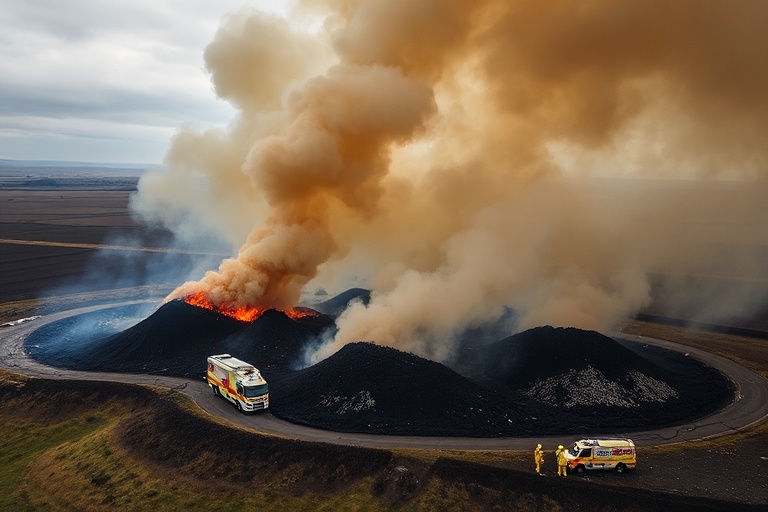
The Ladybank landfill fire in Fife has become a focal point for environmental and public health discussions in the region. Since its emergence, the fire has drawn attention from local residents, environmental groups, and authorities, highlighting broader issues about waste management and emergency response. The incident raises questions about long-term sustainability and the effectiveness of current regulations.
Emerging in early August 2024, the fire at the Ladybank landfill site has persisted for weeks, creating visible smoke plumes that have affected nearby communities. Emergency services have been actively involved, implementing containment measures while monitoring air quality closely. The situation underscores the challenges faced by waste management facilities in preventing and addressing such incidents.
Environmental Consequences of the Fire
Landfill fires are notorious for releasing harmful pollutants into the air, including volatile organic compounds (VOCs), particulate matter, and potentially toxic gases. The Ladybank incident is no exception. Environmental agencies have warned that prolonged exposure to such emissions could pose health risks, particularly for vulnerable populations such as children, the elderly, and those with pre-existing respiratory conditions.
Local environmental groups have raised concerns about the long-term ecological impact. The fire could lead to soil contamination and water pollution if hazardous materials leach into the surrounding environment. Authorities have assured the public that they are conducting regular assessments to mitigate these risks, but the full extent of the damage may take time to evaluate.
Air Quality Monitoring and Health Warnings
In response to the fire, Fife Council and Public Health Scotland issued air quality alerts for the Ladybank area. Monitoring stations have been set up to track pollution levels, with real-time data made available to residents. The Scottish Environment Protection Agency (SEPA) has also been involved in assessing the situation, providing guidance on safety precautions.
- Residents are advised to keep windows closed when smoke is visible.
- Outdoor activities should be limited, especially for those with asthma or other respiratory issues.
- Face masks, particularly those rated for pollution, are recommended for those who must go outside.
While the immediate health risks are being managed, the incident has reignited debates about the environmental practices of landfill sites. Critics argue that tighter regulations and better waste management strategies are needed to prevent future fires and reduce pollution.
Community Response and Local Concerns
The fire has sparked significant concern among Ladybank residents. Many have expressed frustration over the lack of transparency and communication from authorities. Public meetings have been organized to address these concerns, but some locals feel their questions remain unanswered.
Social media has become a platform for residents to share their experiences and demand action. Hashtags such as #LadybankFire and #FifePollution have trended locally, reflecting the community’s frustration. Many are calling for a review of landfill operations and greater accountability from waste management companies.
Economic Impact on Local Businesses
The fire has also had economic repercussions. Local businesses, particularly those in the hospitality and tourism sectors, have reported a decline in visitors due to concerns about air quality. The Ladybank Golf Club, located near the landfill, has noted a drop in bookings, with some members citing health worries as their reason for staying away.
While authorities have assured the public that the smoke has not reached hazardous levels, the perception of risk has still affected local commerce. Business owners are hopeful that clearer communication and visible improvements will help restore confidence in the area.
Government and Regulatory Response
The Scottish Government has acknowledged the severity of the situation and pledged support for Fife Council to manage the crisis. SEPA has been tasked with investigating the cause of the fire, with initial findings suggesting a combination of spontaneous combustion and improper waste disposal practices.
In response to the incident, the government has announced a review of landfill safety protocols. The review will assess whether current regulations are sufficient to prevent such fires and ensure public safety. The findings could lead to stricter enforcement and new guidelines for waste management facilities across Scotland.
Lessons from Past Incidents
Landfill fires are not uncommon, but the Ladybank incident has drawn particular attention due to its duration and proximity to residential areas. Similar fires in other parts of the UK have led to regulatory changes, such as mandatory gas extraction systems and improved waste segregation practices.
Experts suggest that the Ladybank fire could serve as a case study for future policy adjustments. By examining the causes and responses to this incident, authorities may be able to implement measures that prevent or mitigate similar events in the future.
Looking Ahead: Solutions and Accountability
The Ladybank landfill fire serves as a reminder of the ongoing challenges in waste management. While emergency services and environmental agencies continue to address the immediate concerns, the broader conversation about sustainability and accountability remains critical.
Local environmental groups have called for a transition toward zero-waste strategies, emphasizing recycling and composting over landfill disposal. Advocates argue that such measures could reduce the risk of fires and lessen the environmental burden on communities.
For now, authorities are focused on containing the fire and ensuring public safety. However, the incident has already sparked important discussions about the future of waste management in Fife and beyond. Residents and stakeholders will be watching closely as decisions are made in the coming months.
As the situation evolves, staying informed and engaged will be key for those affected by the Ladybank landfill fire. For updates on air quality and safety measures, residents can visit the Fife Council website or SEPA’s official updates.
The Ladybank landfill fire is more than just a local incident—it is a test of how communities, businesses, and governments can work together to address environmental challenges. The lessons learned here could shape policies and practices for years to come.