The London Coffee Festival has grown from a niche gathering into one of the United Kingdom’s most anticipated annual events for coffee enthusiasts. Since its inception in 2011, the festival has expanded significantly, drawing over 25,000 visitors each year to the sprawling halls of the Truman Brewery in East London. It’s more than just a trade show—it’s a celebration of craft, culture, and community, uniting baristas, roasters, and consumers under one roof.
What began as a modest showcase of independent coffee brands has evolved into a multi-day experience featuring competitions, tastings, workshops, and live music. The festival has become a barometer for the coffee industry, reflecting shifts in consumer tastes and technological advancements. From the rise of specialty cold brews to the growing demand for sustainable sourcing, the London Coffee Festival encapsulates the pulse of modern coffee culture.
What to Expect at the Festival
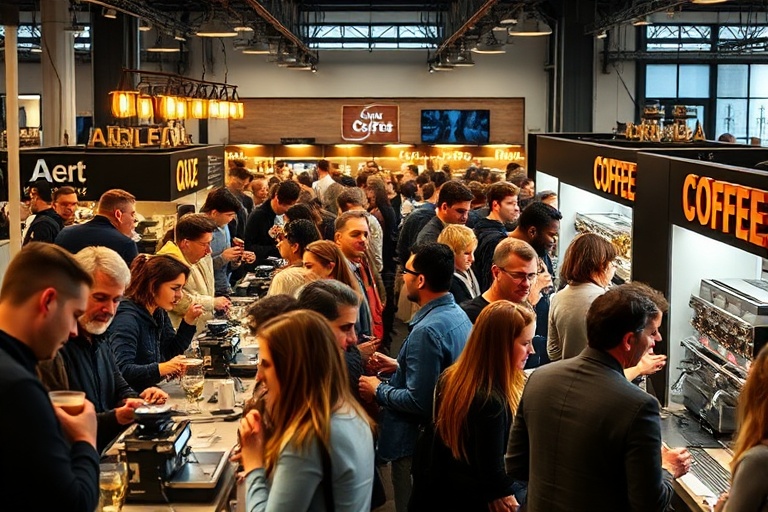
The London Coffee Festival is a sensory overload in the best possible way. Visitors are immediately greeted by the rich aroma of freshly roasted beans, mingling with the hum of conversation and the rhythmic tapping of espresso machines. The event spans four days, typically held in late April, and is structured around several key zones, each catering to different facets of the coffee experience.
At the heart of the festival is the Coffee Origins area, where visitors can trace the journey of their morning brew from farm to cup. Leading roasters such as Square Mile, Origin Coffee, and Hasbean set up stalls, offering samples and explaining their sourcing practices. This section is particularly popular among those interested in ethical consumption, as many vendors highlight their direct trade relationships with farmers in countries like Ethiopia, Colombia, and Guatemala.
The festival also features a dedicated Barista Championship, where skilled professionals compete in timed rounds to prepare the perfect espresso, milk drink, and signature beverage. The competition draws international talent and serves as a proving ground for the next generation of coffee artisans. Past winners have gone on to open their own cafes or secure roles at top-tier establishments, underscoring the event’s role in nurturing industry talent.
- Workshops and Talks: Industry experts lead sessions on everything from latte art mastery to the science of extraction. Topics often include sustainability, coffee farming challenges, and the business side of running a café.
- Equipment Demos: Major brands like La Marzocco, Rancilio, and Mahlkönig showcase their latest machines, giving attendees a chance to test high-end equipment that typically retails for thousands of pounds.
- Live Music and Food: Beyond coffee, the festival hosts local bands and food stalls serving global street food. The combination creates a lively atmosphere reminiscent of a European street market.
The Role of Coffee Festivals in Shaping Industry Trends
Coffee festivals have become critical platforms for innovation and dialogue within the industry. The London Coffee Festival, in particular, has played a pivotal role in popularizing trends that eventually trickle down to mainstream cafes. For instance, cold brew coffee gained widespread attention in the UK after its prominent display at the festival in 2015. Today, cold brew is a staple on many café menus, and its popularity shows no signs of waning.
Another significant trend that has flourished at the festival is the focus on alternative brewing methods. Pour-over, AeroPress, and siphon brewing stations have become mainstays, offering visitors a hands-on experience with techniques once reserved for professionals. These methods appeal to coffee drinkers seeking greater control over flavor and clarity in their cup.
The festival also serves as a launchpad for new products. In 2023, several startups debuted plant-based milk alternatives designed specifically for coffee, addressing the growing demand for dairy-free options. These innovations often reflect broader societal shifts, such as the increasing emphasis on health-conscious and environmentally friendly choices.
Moreover, the festival has become a hub for sustainability discussions. Panels and workshops frequently address pressing issues like deforestation, fair wages for farmers, and carbon-neutral roasting. Many exhibitors now prioritize transparency, providing QR codes on packaging that link to detailed sourcing information. This shift toward accountability is reshaping consumer expectations and pushing larger corporations to adopt more ethical practices.
Why the London Coffee Festival Matters for Consumers
For coffee drinkers, the festival offers an unparalleled opportunity to explore flavors and techniques that extend far beyond the standard flat white or cappuccino. Visitors can participate in cupping sessions, where they learn to identify tasting notes such as citrus, berry, or chocolate. These experiences demystify the complexities of coffee and foster a deeper appreciation for the craft.
Attendees also benefit from exclusive discounts and limited-edition products. Many vendors release festival-exclusive blends or merchandise, providing a chance to take home a unique memento. The festival grounds buzz with energy, and the communal atmosphere makes it easy to strike up conversations with fellow enthusiasts or even the professionals behind the brands.
For those looking to deepen their involvement in the coffee world, the festival serves as an entry point into a broader community. Whether it’s joining a local coffee club, attending follow-up workshops, or even pursuing professional certification, the connections made at the event can lead to long-term engagement. The festival’s emphasis on education ensures that novices and experts alike leave with new insights.
It’s worth noting that the festival has also adapted to changing times. Following the COVID-19 pandemic, organizers introduced hybrid ticketing options, allowing virtual attendance for certain workshops and talks. This innovation has broadened accessibility, enabling coffee lovers from around the world to participate in the conversation without traveling to London.
Looking Ahead: The Future of Coffee Festivals
As the coffee industry continues to evolve, so too will the London Coffee Festival. Future editions are expected to place even greater emphasis on technology and automation, with demonstrations of AI-driven brewing systems and IoT-enabled coffee machines. These advancements could revolutionize how cafes operate, from inventory management to personalized customer experiences.
Another area of growth is the intersection of coffee and wellness. With the rise of adaptogens, functional mushrooms, and CBD-infused beverages, the festival may soon feature dedicated zones exploring these trends. Such innovations cater to the evolving preferences of health-conscious consumers who seek more than just a caffeine boost from their daily brew.
Sustainability will remain a cornerstone of the festival’s ethos. Expect to see more initiatives focused on zero-waste practices, such as compostable packaging and reusable cup schemes. The festival itself has committed to reducing its environmental footprint by partnering with organizations like the London Food Link to minimize waste and promote local sourcing.
Ultimately, the London Coffee Festival is more than a temporary event—it’s a microcosm of the coffee world’s dynamic nature. It highlights the industry’s ability to innovate while honoring its traditions. For visitors, it’s a chance to taste the future of coffee, one sip at a time.
Final Thoughts
The London Coffee Festival stands as a testament to the power of community and curiosity. It brings together people from all walks of life, united by a shared passion for coffee. Whether you’re a seasoned barista, a curious newcomer, or simply someone who enjoys a good brew, the festival offers something meaningful. As it continues to grow and adapt, one thing is certain: the love for coffee—and the conversations it inspires—will only get richer.