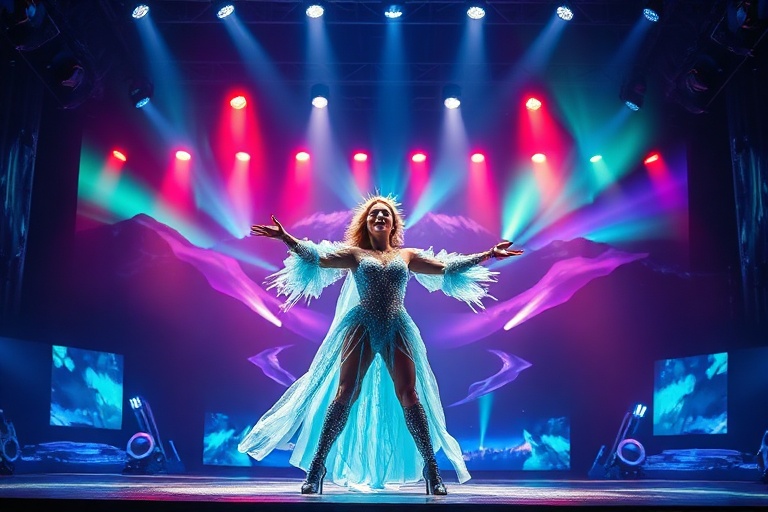
As the Eurovision Song Contest continues to evolve, Norway has positioned itself as a nation with both deep musical roots and a forward-thinking approach. The Scandinavian country’s participation in the 2026 edition is being framed not just as a performance, but as a statement of cultural identity and artistic evolution. With a history of success on the Eurovision stage, Norway is once again gearing up to showcase its unique sound and vision.
Norway’s Eurovision Legacy: A Foundation of Success
Norway’s relationship with Eurovision is one built on innovation and memorable moments. Since its debut in 1960, the country has delivered some of the contest’s most iconic performances, from the folk-inspired elegance of Alexander Rybak’s 2009 victory with “Fairytale” to the high-energy pop spectacle of Subwoolfer’s 2022 entry, “Give That Wolf a Banana.” This legacy is not just about winning—it’s about redefining what a Eurovision entry can be.
The Norwegian public broadcaster, NRK, has long prioritized creativity over convention. Entries like JOWST and Aleksander Walmann’s 2017 track “Grab the Moment” blended electronic beats with traditional Nordic melodies, while KEiiNO’s 2019 performance celebrated Sámi culture through a modern pop framework. These choices reflect Norway’s commitment to authenticity while embracing global musical trends.
- 2009: Alexander Rybak’s “Fairytale” – a record-breaking 387 points, the highest score at the time
- 2019: KEiiNO’s “Spirit in the Sky” – a celebration of Sámi heritage and LGBTQ+ pride
- 2022: Subwoolfer’s “Give That Wolf a Banana” – a viral, meme-worthy pop anthem
- 2023: Alessandra Mele’s “Queen of Kings” – a personal anthem with Mediterranean flair
This track record makes Norway a country to watch in 2026, where the pressure to innovate remains high.
Selection Process: How Norway Will Choose Its 2026 Entry
NRK has not yet announced the selection process for 2026, but trends from recent years suggest a mix of internal selection and public involvement. Historically, Norway has relied on Melodi Grand Prix, its national selection show, to find its Eurovision representative. The format typically includes a series of semi-finals followed by a grand finale, where the winner is chosen by a combination of jury and televoting.
Recent editions of Melodi Grand Prix have emphasized diversity in both artists and genres. In 2024, the competition featured everything from synth-pop to folk, reflecting Norway’s broad musical landscape. For 2026, expectations are high for another eclectic lineup that could include emerging artists, established names, or even a revival of traditional joik (a form of Sámi song).
NRK’s head of entertainment, Stian Malme, has hinted at a continued focus on “authentic storytelling” in the selection process. This suggests that lyrics, cultural relevance, and emotional resonance will play a key role in the decision. With Norway’s Sámi population increasingly visible in national discourse, there is speculation that 2026 could see another Sámi-influenced entry.
Potential Wildcards in the 2026 Selection
While mainstream pop remains a staple, Norway has also experimented with other genres. In 2021, TIX’s “Fallen Angel” brought a darker, more introspective tone to the contest. For 2026, possibilities could include:
- A return to folk-inspired pop, similar to Rybak’s 2009 win
- A collaboration between a traditional joik singer and a modern producer
- A high-energy electronic track designed for maximum stage impact
- A socially conscious anthem addressing climate change or indigenous rights
The selection process will likely be a balancing act between artistic ambition and commercial appeal, a challenge that Norway has navigated successfully in the past.
The Cultural and Political Undercurrents of Norway’s Eurovision Bid
Eurovision is more than a music competition—it’s a platform for cultural and political expression. Norway’s entries often reflect broader societal conversations, from KEiiNO’s advocacy for Sámi rights to Subwoolfer’s playful, internet-friendly persona. In 2026, these themes could take center stage as Norway grapples with its identity in a rapidly changing world.
Climate change, a critical issue for Norway as an Arctic nation, could influence the lyrics or visuals of its entry. The country’s leadership in renewable energy and environmental policy provides ample material for a song that resonates beyond its borders. Alternatively, a focus on inclusivity—whether through LGBTQ+ themes, disability representation, or immigrant narratives—could align with Norway’s progressive values.
NRK has also been known to leverage Eurovision as a tool for soft power. Past entries have subtly promoted Norwegian tourism, culture, and even the Norwegian language. For 2026, an entry that highlights Norway’s stunning landscapes, from fjords to northern lights, could serve as both a visual spectacle and a subtle tourism campaign.
What Fans Can Expect in 2026: Trends and Predictions
Looking ahead to Eurovision 2026, several trends are likely to shape Norway’s approach. The contest has increasingly embraced high-concept performances, with elaborate staging, pyrotechnics, and choreography becoming the norm. Norway will likely continue this trend, given its history of visually striking entries.
Another trend is the rise of “fan favorites” who gain popularity online before the contest. Subwoolfer’s 2022 entry is a prime example, with its meme-worthy lyrics and retro aesthetic resonating far beyond traditional Eurovision audiences. For 2026, Norway could court this kind of viral appeal, whether through a catchy hook, a quirky music video, or an unexpected genre twist.
Norway’s odds in Eurovision 2026 are already a topic of discussion among betting markets and fans. While predicting winners is notoriously difficult, Norway’s strong track record in the semi-finals and its ability to connect with juries and audiences alike make it a contender. If NRK plays its cards right, the country could be in the running for another top placement.
For those eager to follow the journey, Dave’s Locker Music will provide updates on Melodi Grand Prix, artist announcements, and analysis as Norway’s 2026 bid takes shape.
Final Thoughts: Why Norway’s Eurovision Bid Matters
Norway’s participation in Eurovision 2026 is more than a musical showcase—it’s a reflection of the country’s evolving cultural narrative. From its Sámi heritage to its leadership in sustainability, Norway has a unique story to tell, and Eurovision provides the perfect stage. The 2026 bid will likely continue this tradition of blending tradition with innovation, ensuring that Norway remains a standout presence in the contest.
As the selection process unfolds, fans can expect surprises, bold choices, and perhaps another unforgettable moment that cements Norway’s place in Eurovision history. One thing is certain: Norway will bring its signature blend of authenticity, creativity, and charm to the 2026 stage.