oklahoma city
By [Your Name] | Published June 12, 2024
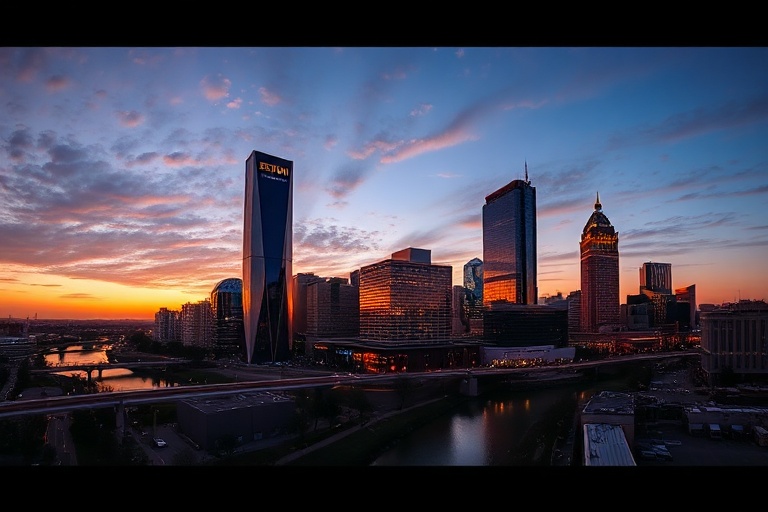
Oklahoma City stands as a testament to the American heartland’s resilience and adaptability. Founded in 1889 during the Land Run, the city’s origins are deeply rooted in the pioneer spirit that defined the Oklahoma Territory. Today, it balances its rich historical legacy with a forward-looking approach to urban development, culture, and economic growth. Its skyline, dotted with modern skyscrapers, coexists seamlessly with wide-open spaces and historic neighborhoods, creating a unique urban experience.
Geographically, Oklahoma City occupies a strategic position in the center of the state, making it a hub for transportation, commerce, and logistics. The city’s layout reflects its evolution from a small settlement to a metropolitan area with over 680,000 residents. From the bustling Bricktown district to the serene trails along the Oklahoma River, the city offers diverse experiences for residents and visitors alike.
The Evolution of Oklahoma City’s Urban Landscape
Oklahoma City’s urban development has been marked by intentional planning and community-driven initiatives. One of the most notable transformations occurred in the 1990s with the passage of MAPS (Metropolitan Area Projects), a series of temporary sales taxes dedicated to funding public projects. These initiatives revitalized downtown, bringing new life to areas like Bricktown, which was once a neglected industrial zone. Today, Bricktown is a vibrant entertainment district featuring restaurants, bars, and the Chickasaw Bricktown Ballpark, home to the Oklahoma City Dodgers, the Triple-A affiliate of the Los Angeles Dodgers.
The city’s commitment to urban renewal extends beyond Bricktown. The Oklahoma City National Memorial & Museum, established to honor the victims of the 1995 Alfred P. Murrah Federal Building bombing, serves as a poignant reminder of the city’s resilience. The memorial’s design, with its 168 empty chairs representing each victim, has become an iconic symbol of remembrance and healing. Meanwhile, the Myriad Botanical Gardens and the adjacent Scissortail Park offer green spaces that enhance the quality of life for residents and attract tourists.
Key Landmarks and Cultural Hubs
- Oklahoma City National Memorial & Museum: A must-visit for its historical significance and emotional impact.
- Myriad Botanical Gardens: A 17-acre urban oasis with themed gardens, art installations, and seasonal events.
- Bricktown Entertainment District: The heart of nightlife, dining, and sports in Oklahoma City.
- Science Museum Oklahoma: A family-friendly destination offering interactive exhibits and planetarium shows.
- Pioneer Woman Museum: Celebrates the contributions of women in Oklahoma’s history, located in nearby Ponca City.
Economic Drivers and Business Opportunities
Oklahoma City’s economy is diverse, with strong sectors in energy, healthcare, aerospace, and biotechnology. The city is part of the larger Oklahoma City Metropolitan Statistical Area, which contributes significantly to the state’s GDP. According to the Greater Oklahoma City Chamber, the region’s GDP exceeds $70 billion annually, driven by industries such as oil and gas, manufacturing, and aviation.
The energy sector remains a cornerstone of the local economy, with Oklahoma City serving as a headquarters hub for several major energy companies. Devon Energy, Chesapeake Energy, and Continental Resources are among the firms that have established their corporate offices in the city. This concentration of energy companies fosters innovation and attracts a skilled workforce, further solidifying Oklahoma City’s reputation as a key player in the national energy landscape.
In addition to traditional industries, Oklahoma City has seen growth in the aerospace and defense sectors. Tinker Air Force Base, one of the largest military installations in the world, plays a critical role in the local economy. The base supports over 26,000 jobs and contributes billions to the regional economy annually. Its presence has also spurred the development of ancillary industries, including aerospace manufacturing and logistics.
Emerging Sectors and Innovation
While energy and aerospace remain dominant, Oklahoma City is actively diversifying its economic base. The city has become a growing hub for biotechnology and healthcare innovation. The Oklahoma Health Center, located in the heart of the city, is a collaborative space where researchers, entrepreneurs, and healthcare professionals work together to advance medical treatments and technologies.
Entrepreneurship is also thriving in Oklahoma City, thanks in part to initiatives like Startup Grind OKC and the 39|OKC accelerator program. These programs provide resources, mentorship, and funding opportunities for startups, fostering a culture of innovation. The city’s relatively low cost of living and business-friendly environment make it an attractive destination for entrepreneurs looking to launch or expand their ventures.
Cultural Richness and Lifestyle in Oklahoma City
Culturally, Oklahoma City is a melting pot of traditions, reflecting its Native American heritage, cowboy culture, and modern influences. The city hosts numerous festivals and events throughout the year, celebrating everything from music and art to food and history. One of the most anticipated events is the Oklahoma City Pride Festival, which draws thousands of attendees to celebrate the LGBTQ+ community and promote inclusivity.
The city’s culinary scene is another highlight, offering a blend of traditional Southern comfort food and innovative dining experiences. From classic barbecue joints like Bricktown Smokehouse to modern farm-to-table restaurants like The Coach House, Oklahoma City’s food culture caters to a wide range of tastes. Local ingredients, such as Oklahoma-grown beef and produce, are staples in many dishes, reflecting the region’s agricultural roots.
For sports enthusiasts, Oklahoma City is a city of passionate fans. The Oklahoma City Thunder, an NBA franchise, has cultivated a dedicated following since its arrival in 2008. The Paycom Center, the team’s home arena, is a hub for major sporting events, concerts, and entertainment. Meanwhile, the city’s minor league baseball team, the Oklahoma City Dodgers, has become a beloved institution, drawing crowds to Bricktown Ballpark with its family-friendly atmosphere.
Arts and Entertainment
Oklahoma City’s arts scene is thriving, with institutions like the Oklahoma City Museum of Art and the Lyric Theatre of Oklahoma leading the way. The museum houses an impressive collection of European and American art, as well as a renowned collection of glass sculptures by Dale Chihuly. The Lyric Theatre, meanwhile, is a historic venue that hosts Broadway-style productions, concerts, and comedy shows.
Music lovers will find plenty to enjoy in Oklahoma City, from live performances at the CAC Warehouse District to the annual Red Earth Festival, which showcases Native American music, dance, and art. The city’s music scene is diverse, encompassing genres like country, rock, jazz, and blues, with venues like the Blue Door and the ACM@UCO Performance Lab serving as local favorites.
Challenges and Opportunities for the Future
Despite its many strengths, Oklahoma City faces challenges common to many mid-sized American cities. One of the most pressing is the need for affordable housing. As the city’s population grows, so does the demand for housing, particularly in downtown and inner-city neighborhoods. Efforts are underway to address this issue, including partnerships between the city government and private developers to create mixed-income housing projects.
Another challenge is improving public transportation. While Oklahoma City has made strides with initiatives like the Oklahoma City Streetcar, which connects key downtown destinations, the city still relies heavily on personal vehicles. Expanding public transit options and promoting alternative modes of transportation, such as biking and walking, could enhance mobility and reduce traffic congestion.
However, these challenges also present opportunities for growth and innovation. The city’s leadership has demonstrated a willingness to tackle complex issues through data-driven decision-making and community engagement. For example, the OKC Streetcar expansion project aims to improve connectivity and accessibility, making it easier for residents to navigate the city without a car. Similarly, initiatives like the “OneOKC” plan focus on sustainable development, ensuring that growth is inclusive and environmentally responsible.
Sustainability and Environmental Initiatives
Oklahoma City is also turning its attention to sustainability, with goals to reduce carbon emissions and promote renewable energy. The city has invested in green infrastructure projects, such as the installation of solar panels on public buildings and the development of urban parks that incorporate native plants and wildlife habitats. These efforts align with Oklahoma City’s broader commitment to creating a healthier, more sustainable future for its residents.
Community involvement plays a crucial role in these initiatives. Organizations like the Oklahoma City Beautiful and the Sierra Club’s Oklahoma Chapter work with residents to organize clean-up events, tree-planting campaigns, and educational programs. These grassroots efforts not only improve the city’s environmental footprint but also foster a sense of pride and ownership among residents.
Conclusion: Why Oklahoma City Stands Out
Oklahoma City is more than just a regional hub; it is a city that embraces its past while boldly stepping into the future. Its blend of historic charm, economic vitality, and cultural richness makes it a unique destination for visitors and a desirable place to call home. From the poignant reflections at the Oklahoma City National Memorial to the lively atmosphere of Bricktown, the city offers something for everyone.
As Oklahoma City continues to grow and evolve, its commitment to innovation, inclusivity, and sustainability will be key to its success. By addressing challenges head-on and leveraging its strengths, the city is well-positioned to thrive in the decades to come. For those seeking a city with a strong sense of community and a forward-thinking mindset, Oklahoma City is a place worth exploring.
Whether you’re drawn by its economic opportunities, its rich cultural scene, or its welcoming spirit, Oklahoma City invites you to discover what makes it truly special.