Richard Gadd: How Comedy Transforms Trauma into Art
Richard Gadd: The Comedian Who Turns Pain Into Art
Richard Gadd’s name has become synonymous with a brand of comedy that refuses to shy away from the raw, the uncomfortable, and the deeply personal. Over the past decade, he has transformed from an emerging talent in the UK’s stand-up scene to one of its most distinctive voices, using his sharp wit and unflinching honesty to dissect topics like mental health, trauma, and masculinity. Gadd’s work isn’t just about making people laugh—it’s about making them think, often in ways that linger long after the punchline.
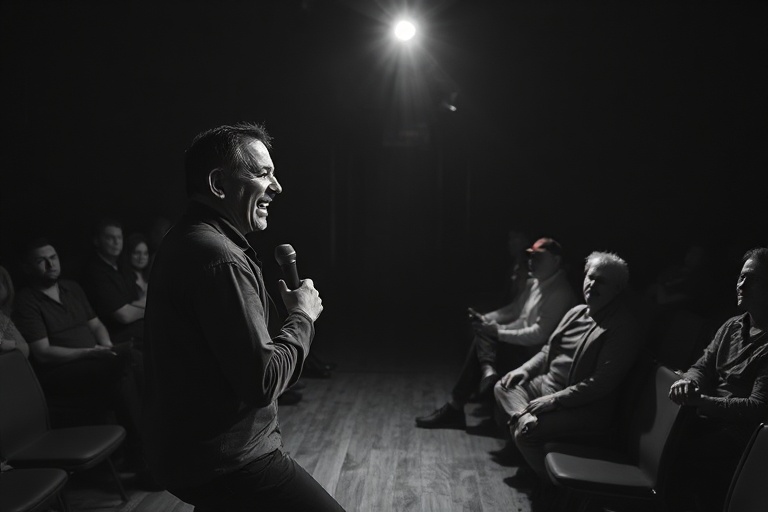
His breakthrough came with the 2018 Edinburgh Fringe hit Baby Reindeer, a one-man show that blurs the line between performance and confession. The play, which later inspired a Netflix series, recounts Gadd’s real-life experiences of stalking and assault, delivered with a vulnerability that feels both terrifying and cathartic. It’s this willingness to expose his own wounds that sets Gadd apart in an industry often accused of prioritizing spectacle over substance.
From Stand-Up to Storytelling: The Evolution of a Comedian
Gadd didn’t start out as a confessional storyteller. Like many comedians, he began in the traditional stand-up circuit, cutting his teeth in London’s pubs and clubs. His early material leaned into absurdity and irony, a style that won him fans in the alternative comedy scene. But as his career progressed, so did his approach to material. He began to mine his own life for stories, realizing that his most painful experiences could also be his most compelling.
This shift culminated in Baby Reindeer, which premiered at the Edinburgh Fringe to critical acclaim. The show’s success wasn’t just about its content—it was about Gadd’s ability to control the narrative, to turn his trauma into a story that audiences could engage with without feeling like they were gawking at a train wreck. It was a masterclass in tonal balance, mixing humor with horror in a way that felt organic rather than exploitative.
Gadd’s follow-up, Richard Gadd: Who’s a Pretty Boy Then? (2022), continued this exploration, this time focusing on his struggles with body image and self-worth. The show’s title, a sarcastic nod to the abuse he received as a child, underscores his knack for reclaiming language and power. It’s a reminder that comedy, for Gadd, isn’t just about laughs—it’s a tool for survival.
The Netflix Effect: How Baby Reindeer Redefined True Crime Storytelling
When Netflix adapted Baby Reindeer into a miniseries in 2024, the project became one of the streaming giant’s most talked-about releases. Starring Gadd himself alongside Jessica Gunning and Nava Mau, the show expanded on the stage production, adding layers of nuance to the story while staying true to its emotional core. For many viewers, it was their first introduction to Gadd’s work—and the response was overwhelmingly positive.
The series’ success raised important questions about the ethics of adapting true stories for entertainment. Gadd has been vocal about his desire to maintain control over his narrative, ensuring that the adaptation didn’t sensationalize his trauma. This approach paid off; the show was praised for its sensitive handling of heavy themes, avoiding the pitfalls of gratuitous violence or exploitation. It’s a testament to Gadd’s vision that the series felt like an extension of his work rather than a departure from it.
For aspiring writers and performers, Gadd’s career offers a blueprint for turning personal pain into art without losing authenticity. His ability to balance humor with heartache suggests that the most powerful stories often come from the places we least want to revisit. In an era where audiences crave relatability, Gadd’s work stands out for its refusal to sugarcoat reality.
The Man Behind the Mic: Gadd’s Influence Beyond Comedy
While Gadd is best known for his comedy and writing, his influence extends beyond the stage and screen. He’s become a vocal advocate for mental health awareness, using his platform to destigmatize conversations about trauma and recovery. In interviews, he often speaks about the importance of therapy and self-reflection, positioning himself as a reluctant but effective ambassador for vulnerable men seeking help.
Gadd’s impact can also be seen in the next generation of comedians, many of whom cite him as an inspiration. His willingness to tackle taboo subjects has paved the way for artists who want to explore their own stories with the same honesty. Whether it’s through his stand-up, his plays, or his public advocacy, Gadd has carved out a niche that feels both necessary and revolutionary.
Yet, for all his success, Gadd remains refreshingly grounded. He’s spoken openly about the pressures of fame and the challenges of balancing personal life with a demanding career. In a world where performative vulnerability is often commodified, Gadd’s authenticity feels like a rare and valuable commodity.
What’s Next for Richard Gadd?
As of 2024, Gadd shows no signs of slowing down. He’s currently developing new projects, though details remain scarce. Fans can expect more of the same—sharp, unflinching, and deeply human storytelling. Whether he’s writing a new play, performing stand-up, or venturing into filmmaking, one thing is certain: Gadd’s voice will continue to resonate.
For those unfamiliar with his work, now is the perfect time to dive in. Start with Baby Reindeer, whether the stage show or the Netflix series, and prepare to be challenged, moved, and ultimately enlightened. Gadd’s art isn’t just entertainment—it’s a mirror held up to society’s most uncomfortable truths.
If you’re interested in exploring more comedians who blend humor with social commentary, check out our Entertainment section for recommendations. For a deeper look at the intersection of comedy and mental health, visit our Culture category.
A Final Thought: Why Gadd’s Work Matters
In an era where audiences are increasingly skeptical of performative authenticity, Richard Gadd stands out as a rare exception. His work isn’t about shock value or cheap laughs—it’s about connection. By sharing his own struggles, he invites others to do the same, creating a ripple effect of openness and understanding.
Gadd’s journey from stand-up comedian to globally recognized storyteller is a reminder that art doesn’t have to be polished or perfect to be powerful. Sometimes, it just needs to be real. And in a world that often feels divided, that’s a message worth hearing.