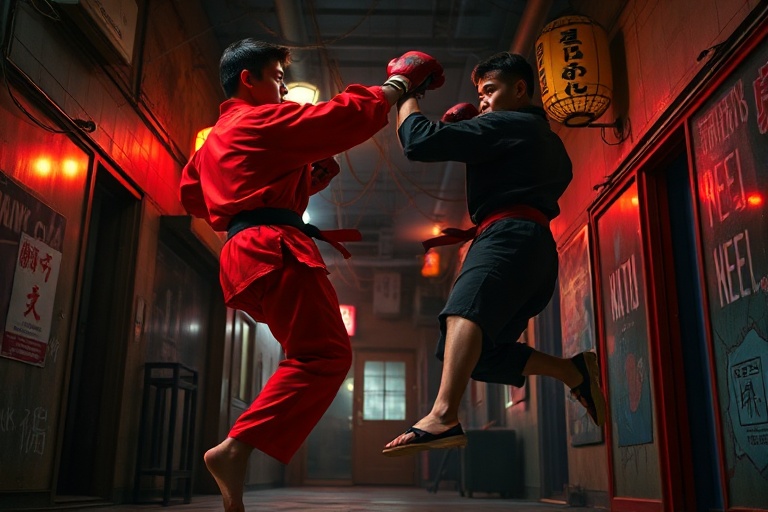
street fighter movie
The Street Fighter franchise has thrived as a cornerstone of fighting game culture since its 1987 debut. With its blend of colorful characters, high-energy combat, and over-the-top special moves, the series carved a permanent niche in gaming history. When the first live-action adaptation arrived in 1994, it didn’t just bring the game to life—it sparked a conversation about how to translate pixelated action into cinematic spectacle. Decades later, the legacy of Street Fighter on film remains a fascinating case study in adaptation, ambition, and audience expectations.
The 1994 Film: A Bold Experiment with Mixed Results
Directed by Steven E. de Souza and starring Jean-Claude Van Damme as Guile and Raúl Juliá as M. Bison, the 1994 Street Fighter movie attempted something rare: turning a beloved video game into a mainstream action film. The movie leaned into its source material’s exaggerated style, delivering over-the-top fight choreography, neon-lit aesthetics, and a villain who oozed theatrical menace. Juliá’s performance as Bison became iconic, elevating the film beyond its campy roots.
Yet, despite its cult following, the movie received mixed reviews upon release. Critics questioned its tonal consistency—oscillating between serious drama and self-aware comedy—and the limitations of early CGI. Still, time has been kind to the film. Its flaws have become endearing to fans, and its commitment to the game’s spirit has cemented its place in pop culture history.
What Worked and What Didn’t
The film’s strengths are hard to ignore:
- Character fidelity: The core fighters—Guile, Chun-Li, Balrog, and Vega—were recognizable to fans, even if their backstories were expanded.
- Villain performance: Raúl Juliá’s Bison remains a standout, blending charisma with menace in a way few video game adaptations have matched.
- Action choreography: The fights felt dynamic, even if they stretched realism. Van Damme’s martial arts skills lent credibility to the combat scenes.
But the weaknesses were glaring:
- Plot inconsistencies: The story’s logic often buckled under the weight of its own spectacle.
- Tonal imbalance: The shift between war drama and cartoonish villainy jarred some viewers.
- Visual limits: Early 90s CGI—especially in facial expressions—dated poorly.
Despite its flaws, the film proved that video game adaptations could draw audiences beyond niche gaming circles. It set the stage for future attempts, both successful and disastrous.
Legacy and Influence on Gaming Cinema
The 1994 film didn’t just entertain—it influenced the entire ecosystem of video game adaptations. Its mixed reception taught Hollywood a crucial lesson: fidelity to the source material isn’t enough. Audiences crave authenticity in spirit, not just in visual replication. This lesson echoed in later adaptations like Mortal Kombat (1995), which leaned into grittier realism, and Lara Croft: Tomb Raider (2001), which prioritized star power and narrative coherence.
Yet, the film’s biggest contribution may have been its unintended role as a cultural bridge. It introduced non-gamers to characters like Chun-Li and Bison, paving the way for cross-media appreciation. Even today, the 1994 Street Fighter is invoked in discussions about balancing fan service with cinematic storytelling.
The Franchise’s Future: Animation, Reboots, and Beyond
In recent years, the Street Fighter universe has evolved beyond live-action constraints. The 2023 animated series Street Fighter: Assassin’s Fist—produced with Capcom’s involvement—reimagined Ryu and Ken’s origins with stunning visuals and deeper lore. This shift reflects a broader industry trend: animated adaptations often succeed where live-action struggles, offering creative freedom without the burden of photorealistic expectations.
Speculation about a new live-action film persists. Reports suggest Capcom is developing a fresh adaptation with a focus on fidelity to the games’ lore and aesthetics. If executed well, such a project could finally deliver the definitive cinematic Street Fighter fans have waited decades for. The challenge remains: how to honor the franchise’s essence while delivering a modern, cohesive narrative.
Key Takeaways for Future Adaptations
Based on the 1994 film’s journey, several lessons emerge for future adaptations:
- Prioritize character authenticity: Fans connect with personalities, not just appearances. A compelling backstory or emotional arc elevates a character beyond their game origins.
- Balance spectacle with substance: Over-the-top action is expected, but it must serve a narrative purpose. Audiences crave stakes, consequences, and emotional payoff.
- Collaborate with the source material: Capcom’s involvement in Assassin’s Fist ensured the animated series stayed true to the games. Similar collaboration could benefit live-action projects.
- Embrace the medium’s strengths: Live-action films struggle to replicate the speed and dynamism of fighting games. A hybrid approach—blending practical stunts with strategic CGI—might offer the best solution.
Final Thoughts: Why Street Fighter Still Matters
The Street Fighter movie of 1994 was a flawed but fascinating experiment. It didn’t just adapt a game—it adapted a cultural phenomenon, testing the boundaries of how video games could translate to film. Its legacy is a testament to the power of ambition, even in failure. Today, as the franchise continues to evolve across animation, comics, and potential new cinematic ventures, one truth remains: the spirit of Street Fighter—its energy, its characters, its unapologetic style—is what truly endures.
For fans and filmmakers alike, the challenge isn’t just to recreate the game on screen, but to capture the joy, intensity, and creativity that made it unforgettable in the first place.
Explore more about gaming adaptations and culture on Dave’s Locker Gaming.
Dive deeper into the world of video game cinema and its evolving landscape.