Last updated: June 2024
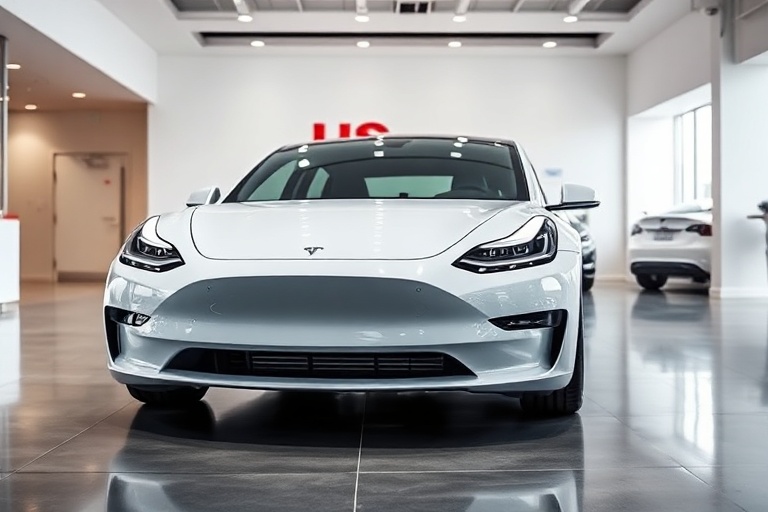
The Tesla Model Y has long been a cornerstone of the company’s strategy to make electric vehicles (EVs) accessible to the mass market. With a starting price that undercut many competitors, it became one of the best-selling EVs in the United States. But recent pricing adjustments have shifted the conversation. These changes aren’t just about numbers on a window sticker—they reflect broader trends in EV demand, manufacturing costs, and Tesla’s evolving market positioning.
The Latest Pricing Shifts
As of mid-2024, Tesla has adjusted the U.S. pricing for the Model Y multiple times within a year. The latest base Model Y Rear-Wheel Drive now starts at $43,990, down from its peak near $55,000 in late 2022. The Long Range and Performance versions are now priced at $48,990 and $51,490, respectively.
These reductions follow a pattern Tesla began in early 2023, when it slashed prices across the lineup by up to 20%. The goal was clear: boost demand, maintain market share, and push inventory through a growing network of dealerships and online orders. While the price cuts have helped Tesla remain competitive against legacy automakers entering the EV space, they’ve also sparked debate about profitability and long-term strategy.
Why Did Tesla Lower Prices?
Several factors contributed to these pricing decisions:
- Oversupply and Inventory Build-Up: Tesla expanded production rapidly in 2022 and 2023, outpacing demand growth in some markets. Lowering prices helped clear excess inventory and reduced storage costs.
- Competitive Pressure: Traditional automakers like Ford, GM, and Hyundai launched affordable EV models, such as the Ford Mustang Mach-E and Hyundai Ioniq 5, targeting the same price-sensitive buyers.
- Economic Headwinds: Inflation and higher interest rates made car loans more expensive. Tesla’s price cuts offset some of that sticker shock for consumers.
- Regulatory Credits and Tax Incentives: Tesla’s ability to leverage federal tax credits (like the $7,500 IRA credit) allowed it to offer more competitive net prices even as gross margins tightened.
How Do These Prices Compare to Competitors?
The Model Y’s pricing remains aggressive, especially against internal combustion engine (ICE) SUVs. For example, a similarly equipped Toyota RAV4 starts around $32,000, but the gap narrows when factoring in fuel savings and tax incentives for the Model Y.
In the EV segment, the Model Y competes directly with the following models and their 2024 U.S. starting prices:
- Volkswagen ID.4: $38,995
- Ford Mustang Mach-E: $42,995
- Hyundai Ioniq 5: $41,800
- Kia EV6: $42,600
While some competitors offer lower starting prices, Tesla’s brand recognition, Supercharger network, and software updates continue to justify its premium in the eyes of many buyers. However, the gap is closing, and Tesla is no longer the only game in town for affordable long-range EVs.
What These Changes Mean for Buyers
For consumers, the price adjustments present a mixed picture. On one hand, lower prices make the Model Y more attainable. On the other, frequent changes can create uncertainty about resale value and timing the best deal. Here’s what prospective buyers should consider:
- Timing Your Purchase: If you’re on the fence, waiting for another price cut could backfire. Tesla has shown it won’t hesitate to reduce prices further if demand softens.
- Incentives Matter: The $7,500 federal tax credit is still available for eligible Model Y buyers, but it phases out once Tesla sells 200,000 EVs in the U.S.—a milestone it’s likely approaching soon. Act fast to secure the credit.
- Leasing vs. Buying: With prices fluctuating, leasing a Model Y might offer better value. Monthly payments are lower, and you avoid the risk of depreciation tied to future price drops.
- Used Market Impact: Lower new prices could hurt resale values for existing Model Ys. Buyers in the used market may find better deals, but should verify battery health and warranty status.
Broader Implications for the EV Market
Tesla’s pricing strategy isn’t just about selling cars—it’s reshaping the entire EV landscape. By aggressively lowering prices, Tesla is forcing competitors to respond, accelerating the industry’s transition toward affordability. This could accelerate mass-market EV adoption, but it also raises questions about sustainability.
For years, Tesla’s high margins allowed it to invest heavily in R&D, Gigafactories, and innovation. But as prices drop, profit margins shrink. In Q1 2024, Tesla reported a 5.5% gross margin on automotive sales—down from nearly 30% in 2022. While this reflects strategic pricing, it also highlights the challenges of scaling while maintaining profitability.
Moreover, Tesla’s moves underscore the volatility of the EV market. Consumer confidence remains fragile, influenced by economic uncertainty, charging infrastructure gaps, and political debates over EV policies. If demand weakens further, price wars could intensify, benefiting buyers but squeezing automakers’ bottom lines.
The Road Ahead
Tesla’s pricing adjustments reflect a company in transition. It’s no longer the scrappy startup disrupting the industry—it’s now a dominant player navigating mature markets. Future price cuts may be less dramatic, focusing instead on incremental improvements and cost efficiencies.
For now, the Model Y remains a benchmark for the EV segment, but its leadership is being challenged. Competitors are closing the gap in technology, range, and charging infrastructure. Tesla’s next moves—whether in battery tech, autonomous driving, or new models like the upcoming $25,000 compact car—will determine if it can stay ahead.
One thing is clear: the era of rapid EV price reductions isn’t over. As more automakers enter the fray, consumers stand to benefit from lower costs, better tech, and a wider variety of choices. The question is whether Tesla can maintain its edge in a market that’s increasingly crowded and competitive.
For more on electric vehicles and market trends, visit our Technology and Automotive sections.