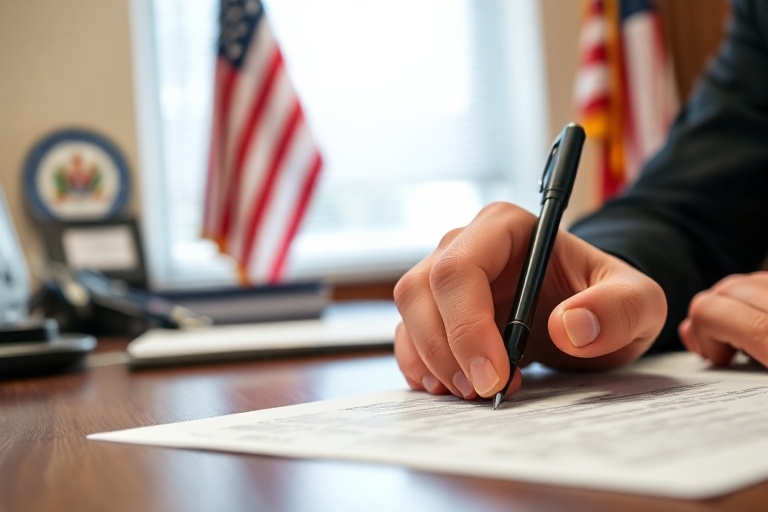
USCIS New Signature Rule: Key Changes and How to Comply
The U.S. Citizenship and Immigration Services (USCIS) recently implemented a new signature rule that impacts how immigration forms are filed and processed. This change, announced in mid-2024, requires applicants to use wet signatures—handwritten signatures on physical documents—rather than electronic or digital signatures for most forms. The rule aims to enhance security and reduce fraud, but it has raised concerns among applicants and legal representatives about accessibility and convenience.
Under the new policy, USCIS will reject any form submitted with an electronic signature unless explicitly permitted by the form instructions. This shift affects a wide range of applications, including green cards, work permits, and naturalization requests. Applicants must now ensure their submissions comply with the updated requirements to avoid delays or rejections.
Key Changes in the USCIS Signature Rule
The most significant change in the USCIS signature rule is the prohibition of electronic signatures for most forms. Previously, many applicants could submit forms with digital signatures, which were convenient for those filing remotely. Now, USCIS requires a wet signature—a handwritten mark on a physical document—unless the form instructions state otherwise.
The rule applies to the following categories of forms:
- Form I-130 (Petition for Alien Relative)
- Form I-485 (Application to Register Permanent Residence or Adjust Status)
- Form I-765 (Application for Employment Authorization)
- Form N-400 (Application for Naturalization)
- Form I-129 (Petition for a Nonimmigrant Worker)
USCIS has emphasized that the rule is designed to prevent fraud and ensure the authenticity of submitted documents. However, the agency has provided limited flexibility, allowing electronic signatures only for forms that explicitly permit them. Applicants are advised to review the instructions for their specific form before submitting.
Why USCIS Implemented the New Rule
USCIS cited concerns about fraud and the integrity of the immigration system as primary reasons for the new signature rule. The agency has noted an increase in fraudulent filings, where individuals or organizations submit documents with forged or altered signatures. By requiring wet signatures, USCIS aims to create a more secure and verifiable process.
The rule also aligns with USCIS’s broader efforts to modernize its operations while maintaining rigorous standards. The agency has stated that wet signatures provide a clear, unalterable record of an applicant’s intent to file a form. This is particularly important for forms that involve legal rights or privileges, such as work authorization or permanent residency.
However, the rule has sparked debate among immigration advocates and legal experts. Some argue that the requirement disproportionately affects applicants who may not have easy access to printers or scanners, such as those in remote locations or with limited resources. Others point out that the rule may lead to delays, as applicants must now mail physical documents rather than submitting them electronically.
Impact on Applicants and Legal Representatives
The new signature rule has created challenges for applicants and their legal representatives, particularly those who rely on digital tools for efficiency. Immigration attorneys, who often file multiple forms on behalf of clients, must now ensure that all documents are printed, signed by hand, and mailed to USCIS. This process can be time-consuming and may increase the risk of errors or delays.
For applicants, the rule may pose additional barriers, especially for those who live outside the United States or in areas with limited access to printing services. USCIS has acknowledged these concerns and has provided guidance on how to comply with the rule, but the process remains more cumbersome than the previous electronic system.
Legal representatives have also raised concerns about the rule’s impact on their clients’ cases. For example, applicants filing for work authorization (Form I-765) may face delays if their forms are rejected due to a missing wet signature. This could affect their ability to work legally in the U.S. while their application is processed.
USCIS has stated that it will provide clear instructions on its website and through customer service channels to help applicants comply with the new rule. However, the agency has not indicated any plans to reverse or relax the requirement in the near future.
How to Comply with the New USCIS Signature Rule
To avoid delays or rejections, applicants must follow USCIS’s updated guidelines for signatures. Here’s a step-by-step guide to ensure compliance:
- Review the Form Instructions: Before submitting any form, carefully read the instructions to determine whether a wet signature is required. Some forms may still allow electronic signatures.
- Print the Form: If a wet signature is required, print the form on standard 8.5 x 11-inch paper. Ensure the print quality is clear and legible.
- Sign by Hand: Use a pen to sign the form in the designated signature field. Avoid using markers or pencils, as they may not be accepted.
- Mail the Form: Once signed, mail the form to the appropriate USCIS mailing address. Include all required supporting documents and the correct filing fee.
- Track Your Submission: Use USCIS’s online tracking system to monitor the status of your application. This will help you identify any issues or delays promptly.
Applicants should also be aware of USCIS’s updated mailing addresses, as some may have changed due to the new rule. The agency has provided a list of addresses on its website, organized by form type and filing location.
For those who need assistance, USCIS offers resources such as the Immigration category on Dave’s Locker, where applicants can find guides and updates on USCIS policies. Additionally, legal representatives can provide guidance on navigating the new requirements.
Looking Ahead: What’s Next for USCIS Signature Rules?
The new USCIS signature rule represents a significant shift in how immigration forms are filed, but it may not be the last change. The agency has indicated that it will continue to evaluate its policies to balance security with accessibility. In the coming months, USCIS may provide additional guidance or make adjustments based on feedback from applicants and legal representatives.
For now, applicants must adapt to the new requirements and ensure their submissions comply with the updated rules. While the process may be more cumbersome, USCIS has emphasized that the changes are necessary to protect the integrity of the immigration system.
As the rule takes effect, it will be important for applicants to stay informed and seek assistance if needed. Resources like Dave’s Locker News can provide updates and insights on USCIS policies, helping applicants navigate the complexities of the immigration process.