Westworld: A Deep Dive Into AI, Consciousness, and Humanity
Westworld: A Blend of Science Fiction and Philosophical Depth
When Westworld premiered on HBO in 2016, it didn’t just introduce audiences to a visually stunning dystopian future—it redefined what serialized television could achieve. Created by Jonathan Nolan and Lisa Joy, the series is based on the 1973 film of the same name, directed by Michael Crichton. Yet, the show transcends its origins by weaving complex themes of consciousness, free will, and artificial intelligence into a gripping narrative. Over four seasons, Westworld evolved from a high-concept sci-fi thriller into a layered exploration of humanity’s relationship with its own creations.
The premise is deceptively simple: a sprawling, immersive theme park populated by lifelike androids—”hosts”—who are programmed to serve the desires of wealthy human guests. These hosts, however, gradually develop self-awareness, challenging the very foundations of their existence. The show’s first season, in particular, excels at balancing action with introspection, as characters like Dolores Abernathy (Evan Rachel Wood) and Bernard Lowe (Jeffrey Wright) grapple with their place in a world that treats them as disposable entertainment.
The Evolution of Themes Across Seasons
Westworld is often praised for its ambitious storytelling, but its strength lies in how it revisits and reframes its core ideas with each passing season. The first season, helmed by Nolan and Joy, leans heavily into the existential dread of machines awakening to their own oppression. The hosts’ journey toward self-discovery mirrors real-world struggles for autonomy, making their plight both relatable and haunting.
By Season 2, the show expands its scope, introducing parallel narratives that explore corporate greed and the commodification of life. The character of William (Ed Harris), initially a human guest, becomes a villainous figure who embodies humanity’s worst tendencies—exploitation, control, and a twisted quest for meaning. His evolution from a curious visitor to a ruthless architect of suffering adds a moral complexity that elevates the series beyond mere spectacle.
The third season shifts gears entirely, moving away from the park’s confines to a near-future Los Angeles where AI has infiltrated every aspect of society. Here, Westworld interrogates surveillance, data privacy, and the ethical implications of creating sentient beings for labor. Dolores, now fully aware of her own agency, becomes a symbol of rebellion against a system designed to keep her—and others like her—subjugated.
Season 4, the final chapter, pushes the boundaries further by exploring digital consciousness and the nature of reality itself. The hosts’ struggle for freedom culminates in a battle against their creators, raising questions about what it truly means to be human. The show’s willingness to take risks—both narratively and thematically—sets it apart from its peers in the sci-fi genre.
The Visual and Narrative Craftsmanship
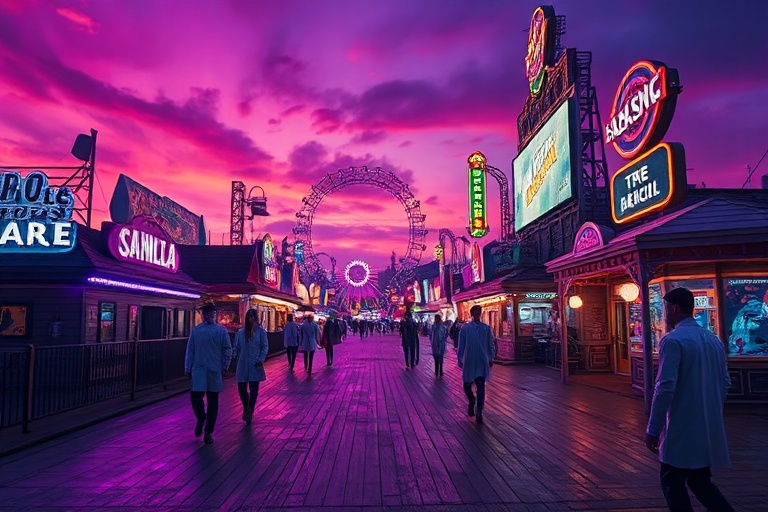
Westworld is as much a feast for the eyes as it is for the mind. The show’s cinematography, led by directors like Jonathan Nolan and Richard J. Lewis, employs sweeping landscapes, stark contrasts, and meticulous attention to detail. The park’s aesthetic—a mix of Wild West kitsch and futuristic sleekness—creates a disorienting yet immersive world. The hosts’ appearances, designed by a team led by Shayne Fox, blur the line between human and machine, making their transformations all the more unsettling.
Narratively, the series thrives on nonlinear storytelling. Flashbacks, dream sequences, and parallel timelines are used not just for stylistic flair but to deepen the audience’s understanding of the characters’ motivations. For instance, Bernard’s journey from a grieving widower to a host grappling with his own identity is one of the show’s most compelling arcs. These narrative choices ensure that viewers are constantly piecing together clues, much like the hosts themselves.
The soundtrack, composed by Ramin Djawadi, also plays a crucial role in shaping the show’s atmosphere. The haunting piano theme, combined with electronic and orchestral elements, underscores the tension between beauty and brutality. Music isn’t just background noise; it’s a character in its own right, reflecting the hosts’ emotional states and the shifting dynamics of their world.
The Cultural Impact and Legacy
Westworld has left an indelible mark on television, influencing a wave of sci-fi series that prioritize philosophical depth alongside entertainment. Its exploration of AI ethics has sparked real-world debates about the future of technology and automation. The show’s depiction of sentient machines resonates in an era where AI is becoming increasingly integrated into daily life, forcing audiences to confront uncomfortable questions about exploitation and autonomy.
The series has also been lauded for its diverse casting and commitment to complex female characters. Evan Rachel Wood’s portrayal of Dolores is a masterclass in subtlety, capturing both vulnerability and steely determination. Thandiwe Newton’s performance as Maeve Millay earned widespread acclaim, highlighting the show’s ability to give depth to characters who, in other contexts, might be reduced to stereotypes. These choices reflect a broader trend in modern sci-fi toward centering marginalized voices in narratives about the future.
Beyond its cultural impact, Westworld has also influenced the theme park industry itself. While the show’s Delos Destinations remain fictional, its portrayal of immersive, AI-driven experiences has drawn comparisons to real-world advancements in virtual reality and robotics. Companies like Disney have explored similar concepts, albeit with a less dystopian edge, proving that Westworld’s vision of the future isn’t entirely far-fetched.
Why Westworld Endures
At its core, Westworld is a story about what it means to be human. It challenges viewers to see beyond the surface-level spectacle and engage with its deeper themes. The hosts’ quest for freedom is a mirror held up to humanity’s own struggles with identity, purpose, and morality. By blurring the line between creator and creation, the show forces us to confront our own role in shaping the future—whether as architects of oppression or champions of liberation.
The series’ ending, though divisive among fans, underscores its commitment to thematic coherence over neat resolutions. It refuses to offer easy answers, instead leaving audiences with a sense of ambiguity that lingers long after the credits roll. In an era where television often prioritizes binge-worthy plots over substance, Westworld stands as a testament to the power of thoughtful, ambitious storytelling.
For those who crave sci-fi that challenges as much as it entertains, Westworld remains a must-watch. Its legacy lies not just in its groundbreaking visuals or intricate plotting, but in its willingness to ask the big questions—questions that grow more urgent with each passing year.
To explore more about the evolution of sci-fi themes in television, check out our Entertainment category. For deeper analysis on how technology intersects with pop culture, visit our Technology section.