What Defines a Festival? Global Traditions Meet Modern Trends
What Defines a Festival: More Than Just a Celebration
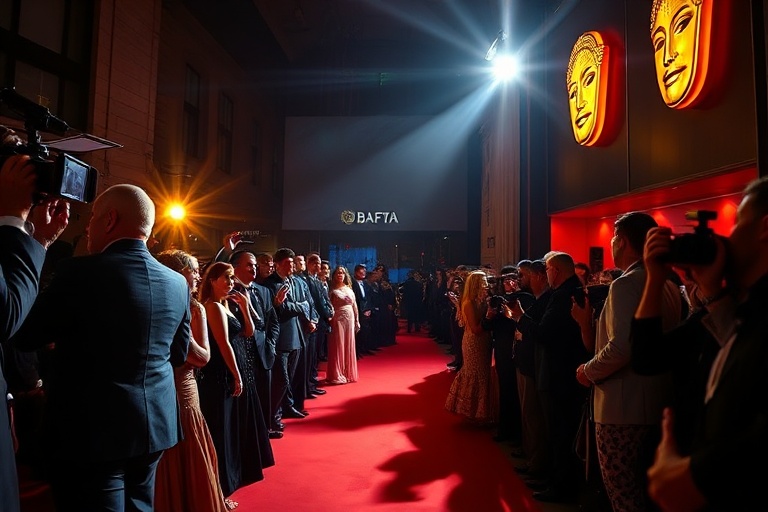
The concept of a festival stretches back thousands of years, rooted in ancient traditions where communities gathered to honor gods, mark seasonal changes, or celebrate harvests. Today, festivals have evolved into global spectacles that blend cultural heritage with modern entertainment. Whether religious, artistic, or purely recreational, these events serve as social glue, binding people through shared experiences.
From the rhythmic beats of Rio’s Carnival to the quiet reverence of Japan’s cherry blossom viewings, festivals adapt to local values while adopting universal traits. They often feature music, dance, food, and art—but their deeper purpose lies in preservation and connection. The boundaries between tradition and innovation blur as organizers reinterpret ancient customs for contemporary audiences.
The Many Faces of Festivals Around the World
Festivals manifest in countless forms, each shaped by geography, history, and culture. Some are solemn; others are raucous. Some last days; others span weeks. The diversity is staggering:
- Religious Festivals: Pilgrimages like India’s Kumbh Mela or Spain’s Semana Santa draw millions seeking spiritual renewal. These events often feature processions, prayers, and communal meals.
- Harvest Festivals: Thanksgiving in the U.S., China’s Mid-Autumn Festival, and Africa’s Yam Festivals celebrate abundance with feasts and gratitude rituals.
- Arts & Music Festivals: Events like Glastonbury in the UK or Brazil’s Rock in Rio fuse performance with cultural exchange. They elevate local artists while attracting international crowds.
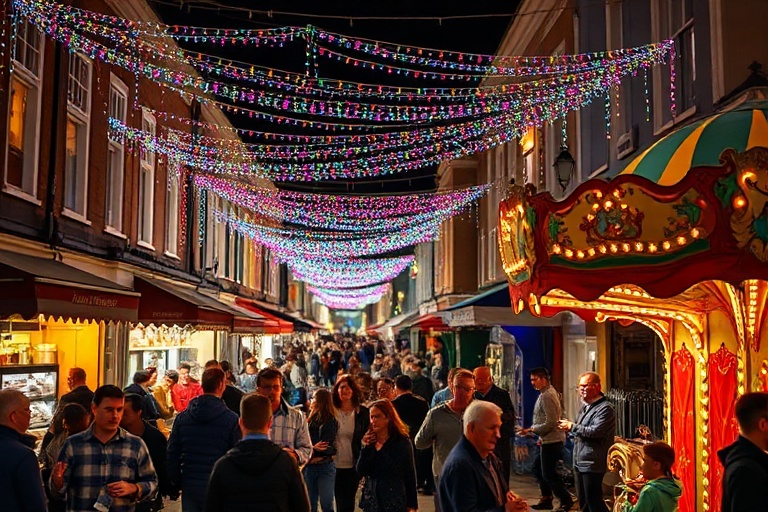
- Seasonal Festivals: Japan’s Nebuta Matsuri parades giant illuminated floats, while Germany’s Oktoberfest transforms cities into beer halls and amusement parks.
This variety underscores a key truth: festivals are not monolithic. They reflect the identity of their communities, whether through indigenous rituals or borrowed traditions reimagined for new audiences.
Why Festivals Matter in Modern Society
Beyond entertainment, festivals foster economic growth, social cohesion, and cultural preservation. A 2022 study by Oxford Economics found that major music festivals alone generate billions in revenue annually, supporting local businesses and tourism. Meanwhile, smaller cultural festivals safeguard languages, crafts, and oral histories at risk of disappearing.
Festivals also act as pressure valves in tense societies. During political unrest, they provide safe spaces for expression. For example, Istanbul’s annual Pride events have become symbols of resistance, blending celebration with activism under authoritarian rule. Even in peacetime, they challenge norms—like Berlin’s Folsom Europe, which redefines leather subculture through inclusivity.
Yet festivals are not without criticism. Commercialization can dilute authenticity, turning sacred rites into tourist attractions. Environmental concerns plague large-scale events, from plastic waste to carbon footprints. Organizers increasingly respond with sustainability initiatives, such as Glastonbury’s ban on single-use plastics or Burning Man’s Leave No Trace ethos.
The Future of Festivals: Tradition Meets Innovation
The next decade will test how festivals balance heritage with digital disruption. Virtual reality concerts, like Travis Scott’s Fortnite performances, have already blurred physical and online experiences. Meanwhile, hybrid models—such as Coachella’s livestreams—expand access while preserving exclusivity.
Climate change poses another challenge. Droughts forced the cancellation of Nevada’s Burning Man in 2023, while European summer festivals adapt to extreme heat with shaded venues and cooling stations. Some communities are reviving ancient practices, like Indigenous-led land stewardship at Powwows, to align festivals with ecological balance.
Technology also enables hyper-personalization. Apps now curate festival schedules based on individual tastes, while AI-generated art installations—like teamLab’s immersive exhibitions—push creative boundaries. Yet critics warn of over-reliance on tech, fearing it may erode the serendipity of discovery that defines traditional festivals.
Ultimately, festivals endure because they fulfill a fundamental human need: to belong. Whether through the shared silence of a Diwali prayer, the collective scream at a rock concert, or the quiet awe of watching fireworks over Sydney Harbour, these gatherings remind us that celebration is universal. The challenge ahead is to evolve without losing the soul that makes them matter.
Key Takeaways
Festivals are dynamic cultural artifacts, constantly reinventing themselves while anchoring communities in tradition. Their survival depends on adaptability—embracing innovation without sacrificing the core values that unite participants year after year.